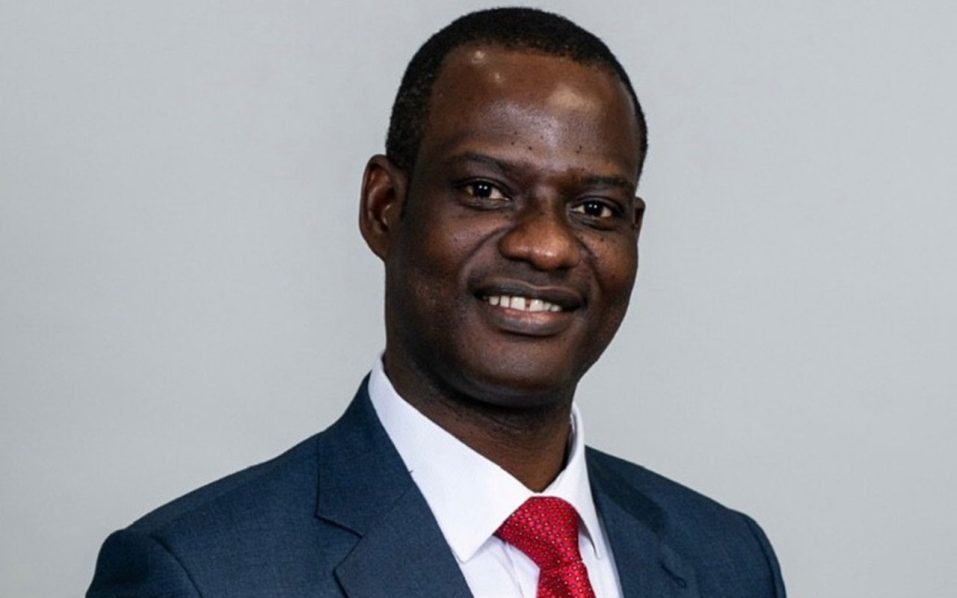

Chairman of the Presidential Fiscal Policy and Tax Reforms Committee, Taiwo Oyedele, has said tax authorities in Nigeria cannot debit taxpayers’ bank accounts for unpaid taxes without first obtaining court rulings, dismissing fears that the new tax laws permit arbitrary deductions.
Oyedele made the clarification on Wednesday during an appearance on the Arise Television Morning Show, amid public debate over alleged alterations to recently gazetted tax laws and concerns that tax officials could access bank accounts without judicial oversight.
He explained that any tax liability must be conclusively determined through established legal processes before enforcement measures can be taken.
“Before you get to this power of substitution, the tax liability must be final and conclusive,” Oyedele said, noting that the process involves multiple stages of adjudication.
According to him, the procedure begins with a tax assessment issued to the taxpayer, followed by an objection process.
If unresolved, the matter proceeds to the Tax Appeal Tribunal and may advance through the High Court, Court of Appeal and, ultimately, the Supreme Court.
Only after the courts have conclusively ruled on the matter, he said, can tax authorities move to recover funds.
Oyedele stressed that the so-called “power of substitution,” which allows tax authorities to recover unpaid taxes from bank accounts, is not a new provision and already exists under Nigeria’s current tax framework.
He warned against misrepresenting the law in ways that could trigger unnecessary panic or undermine confidence in the banking system.
“We’re careful not to have a run on banks,” he said, adding that enforcement actions of this nature are reserved for serious cases and follow an elaborate, legally backed process.
The committee chairman also dismissed claims that the gazetted tax laws were fake or had been altered to remove judicial safeguards, describing many of the circulating allegations as unsubstantiated.
He noted that some provisions being cited by critics, including claims that taxpayers must pay a deposit before filing appeals, do not exist in the Nigeria Tax Administration Act.
Oyedele acknowledged that the failure to publish a harmonised version of the bills passed by the National Assembly had contributed to public confusion.
“If the harmonised version had been published, we wouldn’t even be having some of these allegations,” he said.
He added that suspending the new tax laws would be impractical, noting that aspects of the reforms, including the establishment of the Nigeria Revenue Service, have already taken effect.
“In tax matters, disrupting revenue generation even briefly creates serious challenges,” Oyedele said.
He urged Nigerians to read the tax laws in full rather than focusing on isolated provisions, warning that selective interpretation has fueled unnecessary anxiety.