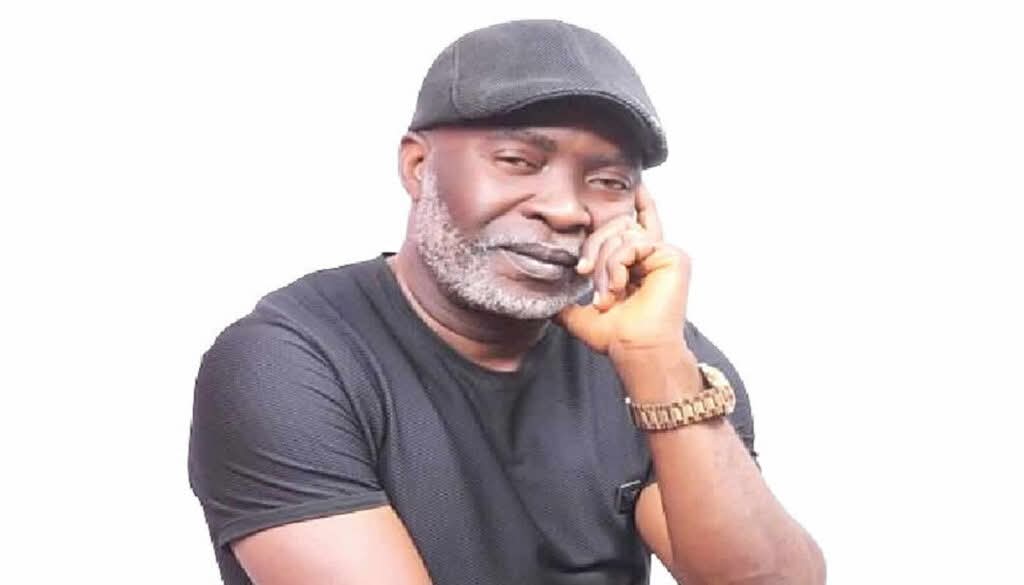

The Nigerian film industry was jolted during the week following reports that Nollywood actor, filmmaker and former Enugu State chairman of the Actors Guild of Nigeria, Stanley Amandi, was arrested over his alleged involvement in a failed coup plot against President Bola Tinubu’s administration.
DAILY GAZETTE gathered that Amandi was arrested in Enugu alongside several serving military officers suspected to be linked to the plot.
Family members and associates initially believed he was in the custody of the Department of State Services, but were later informed otherwise.
Sources said the DSS subsequently “officially wrote” to the actor’s family, clarifying that he was being held by the Defence Intelligence Agency.
It was also learnt that the family had “reached out” to the DIA, requesting access for his wife, legal counsel and a medical doctor, citing concerns over his health condition, as the actor is said to be hypertensive.
According to findings reported by Premium Times, Amandi was allegedly involved in the media and messaging component of the failed plot.
Investigators reportedly suspect that he was to function as a propagandist, helping to shape public narratives capable of justifying or promoting an unconstitutional takeover, thereby positioning him as a civilian collaborator in what authorities describe as a grave national security breach.
Details of the alleged coup attempt first surfaced months ago after discreet arrests were made within the military.
However, further insight into how the plot was uncovered later emerged through an investigative report by Premium Times.
The report indicated that the scheme began to unravel after a concerned military officer alerted senior leadership about suspicious meetings and discussions pointing to plans to overthrow the government.
Intelligence gathered around the same time by the State Security Service reportedly confirmed that some officers were exploring ways to destabilise Nigeria’s democratic system.
Investigators allegedly uncovered a wider network of collaborators and a plan that extended beyond the seizure of power.
The report claimed that discussions also included the assassination of senior political figures, among them President Tinubu, Vice President Kashim Shettima, Senate President Godswill Akpabio and Speaker of the House of Representatives, Tajudeen Abbas.
Security agencies were said to have carried out coordinated arrests across multiple locations to halt the plot before it advanced.
What initially appeared to be routine internal military disciplinary matters later escalated into a comprehensive national security investigation.