
By Dr Jeff Ejiofor,
Land is more than property; it is security, dignity, livelihood, and the foundation of development. For many years, however, land ownership in Nigeria has been weighed down by unclear processes, multiple levies, and exploitation.
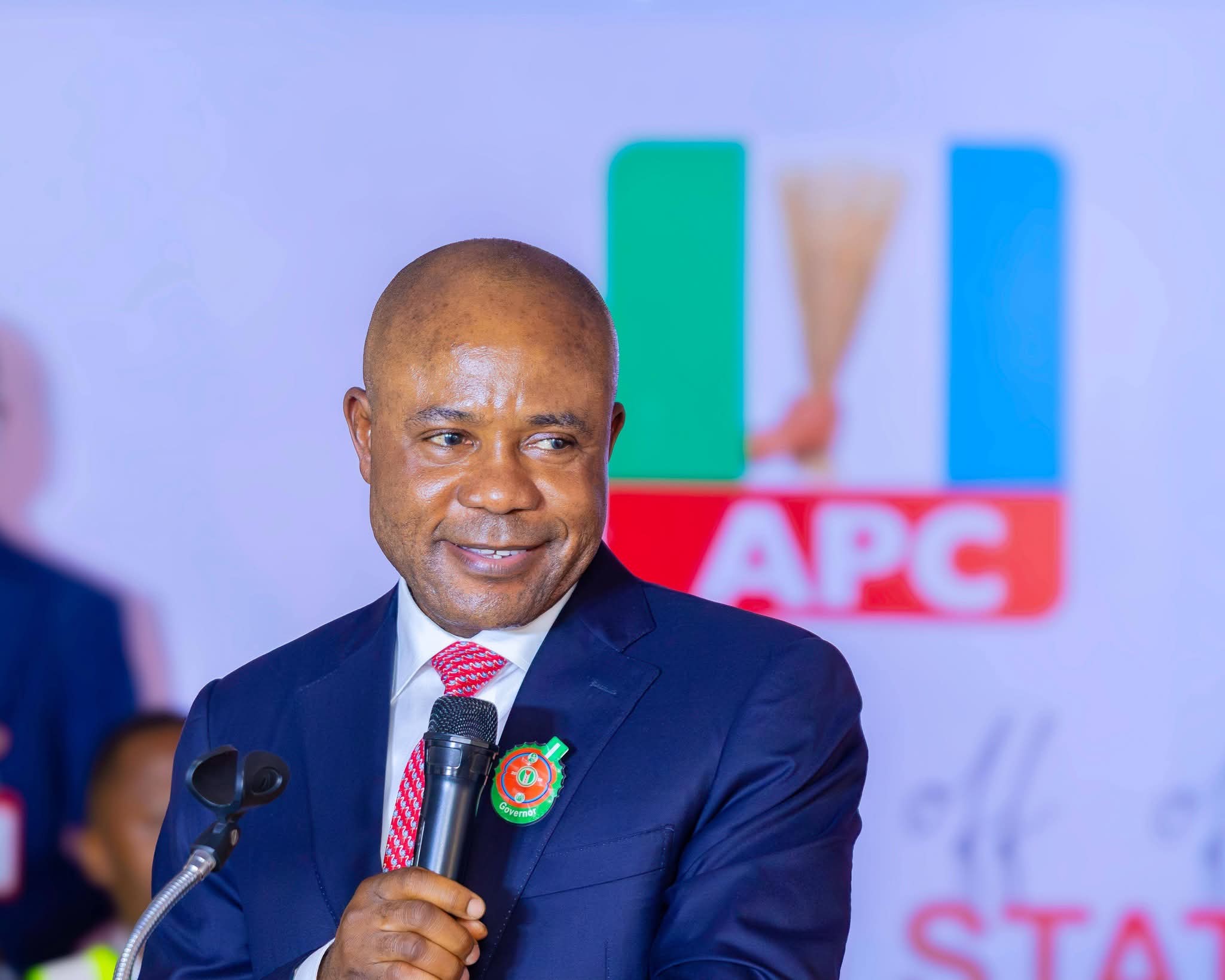
In Enugu State, Gov Peter Ndubuisi Mbah has decided to change the narrative through bold, people-centred land reforms that restore trust, promote fairness, and unlock economic opportunity.
Obviously, one of the most significant steps taken by Mbah in this regard is the reduction of land-related charges by over 60 percent and the abolition of illegal levies such as the controversial Ogbonecheagu fees.
These actions send a powerful message that no citizen should be intimidated, exploited, or burdened for exercising their right to own or use land in Enugu State.
The unification of ground rent, land use charge, and property-related fees into a single annual Unified Land Use Charge, payable through the Enugu State Internal Revenue Service, has simplified land administration and relieved thousands of property owners of unnecessary stress and undue exploitation.
Intrinsically, beyond cost reduction, the reforms focus on transparency, structure, and accountability.
The introduction of the Enugu State Geographic Information System (ENGIS) has transformed land administration into a modern, digital platform. With land records now fully digitised and harmonised, the long-standing problems of missing files, overlapping claims, and administrative confusion are being eliminated.
Property owners can now process Certificates of Occupancy more easily, either online or through designated offices, making land ownership safer and more reliable.
These reforms also have strong implications for investment and economic growth. By enacting the Property Protection Law, the Mbah Administration has guaranteed the security of legitimate property ownership and safeguarded investors’ assets.
Clear approval processes and defined institutional responsibilities have reduced delays and uncertainty, creating a predictable environment for developers, homeowners, and business owners alike.
In doing so, Enugu State is positioning itself as a credible and attractive destination for both local and foreign investment.
Importantly, these policies were not imposed without consultation. They were shaped through stakeholder engagement involving community landholders, professionals, developers, traditional institutions, civil society, and government agencies.
This inclusive approach reflects a leadership style that listens, responds, and adapts, ensuring that reforms are not only effective but also trusted by the people.
Ultimately, Gov Mbah’s land reforms go beyond policy adjustments. They restore dignity to citizens, rebuild confidence in government, and lay a strong foundation for sustainable development.
They offer renewed hope that owning land will no longer feel like a struggle, investing in land will no longer be a gamble, and governance can truly work in the interest of the people of Enugu State.
Indeed, Tomorrow is Here.