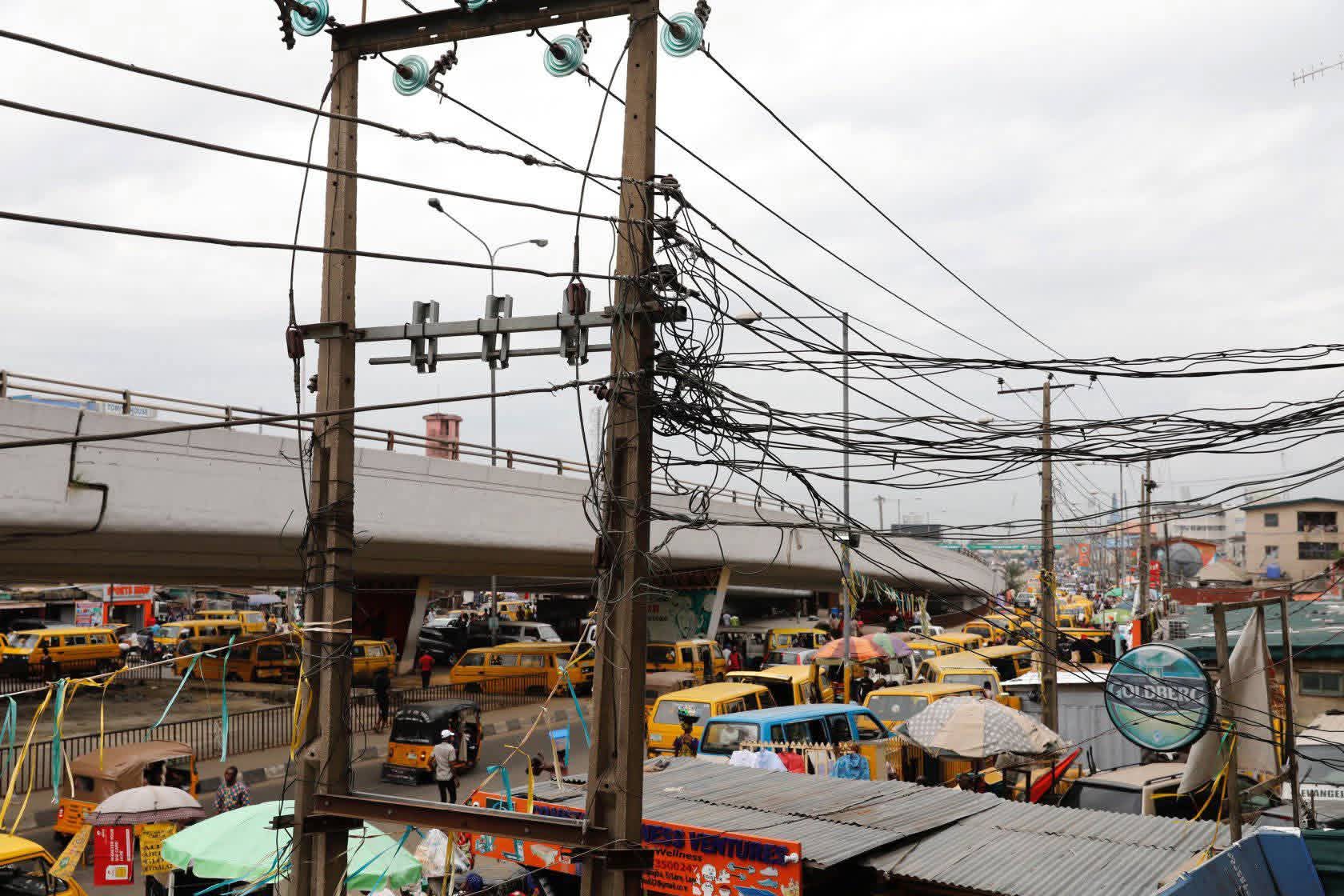

Nigeria’s push to decentralise electricity regulation is facing mounting setbacks, as at least 16 states that have taken over regulatory powers struggle to establish effective systems, raising concerns over governance gaps and market instability.
Under reforms introduced by the Electricity Act 2023, states were empowered to create their own regulatory bodies to oversee electricity markets within their jurisdictions.
However, implementation has been uneven, with several states yet to fully operationalise their State Electricity Regulatory Commissions (SERCs).
According to developments monitored by the Nigerian Electricity Regulatory Commission, states such as Ogun, Imo, and Edo are among those still grappling with structural and technical challenges in setting up functional regulatory frameworks.
In some cases, electricity permits are reportedly being issued outside proper legal processes, with political appointees and ministries stepping in where formal regulators have not yet been fully established—raising concerns about regulatory legitimacy and investor confidence.
Industry stakeholders warn that the inconsistencies could undermine the entire reform agenda aimed at improving efficiency, attracting investment, and bringing regulation closer to consumers.
While states like Lagos, Abia, and a few others have made progress by setting up regulatory boards and licensing distribution companies, others remain in early transition phases.
In Abia, for instance, multiple sub-distribution entities have already been licensed under its emerging framework.
In Lagos, early reforms include the establishment of a dedicated electricity regulatory commission and the licensing of private distribution subsidiaries—moves seen as steps toward a more competitive subnational electricity market.
However, coordination challenges between federal and state authorities continue to deepen. Conflicts over jurisdiction—especially in cases where electricity flows through the national grid—have created legal uncertainties and overlapping regulatory claims.
Experts warn that these issues could lead to litigation, investment hesitation, and inefficiencies in asset and tariff management across the sector.
Energy analysts say the uneven pace of reform is expected, given differences in technical capacity and funding across states.
Some northern states are reportedly exploring regional electricity market models to pool resources and reduce costs.
Despite the challenges, stakeholders insist decentralisation remains a key pathway to solving Nigeria’s chronic electricity shortages, arguing that local regulation could improve responsiveness and consumer protection if properly implemented.
However, investors caution that states may not yet have the capacity to manage the full electricity value chain, especially in generation and transmission, which require long-term planning and heavy capital investment.
As reforms continue, the National Assembly is reviewing the electricity law to clarify regulatory boundaries and reduce conflicts between federal and state authorities.
For now, Nigeria’s electricity decentralisation drive remains in transition—caught between ambitious reform goals and the realities of uneven state capacity.