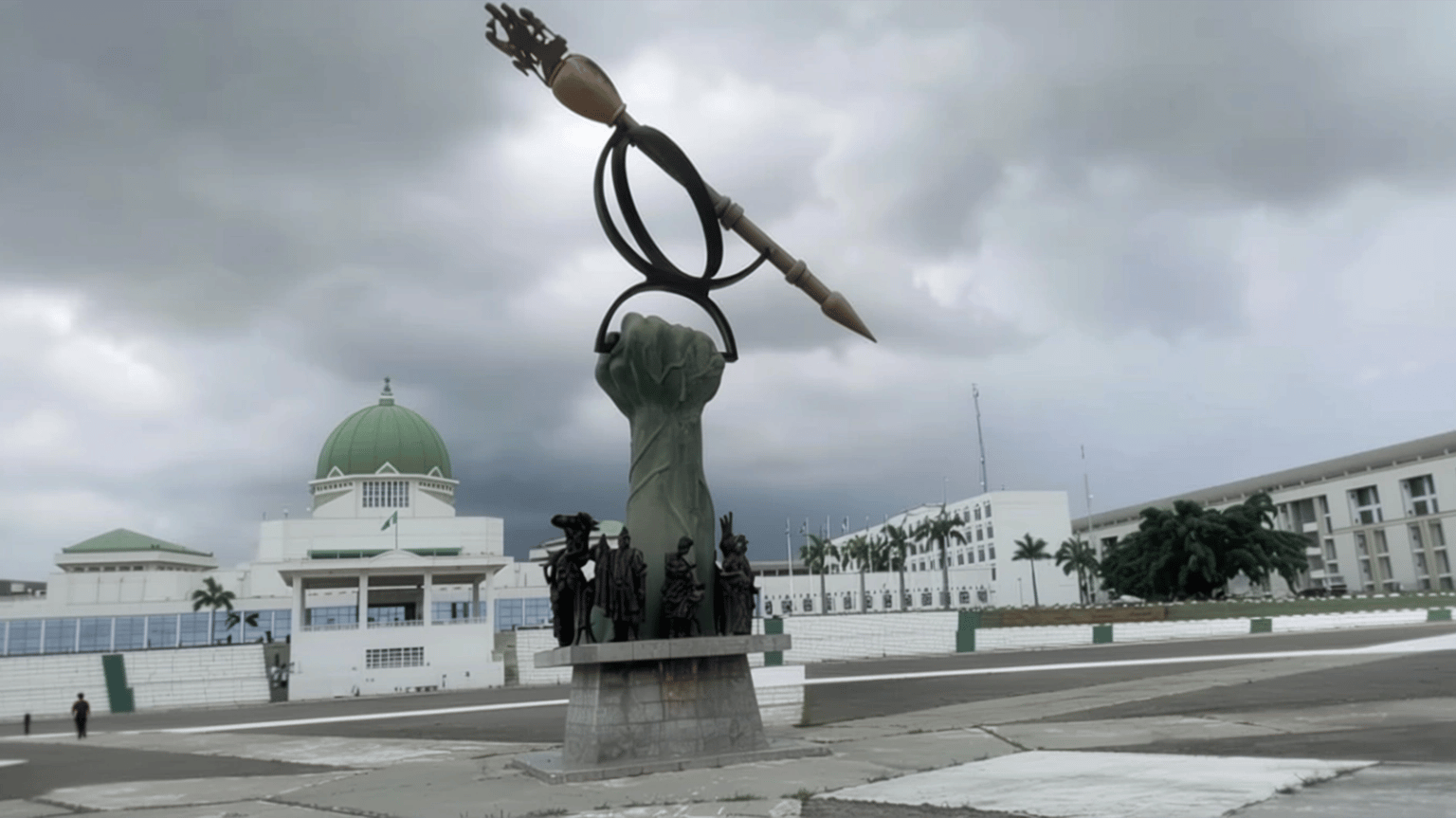

Nigeria’s National Assembly of Nigeria has approved a N68.3 trillion 2026 budget, significantly expanding the country’s fiscal plan and placing the weight of funding and execution squarely on the Federal Government.
The passage, which came three months after Bola Ahmed Tinubu presented the proposal, represents about a 17 per cent increase on the initial estimate and over 24 per cent above the N54.99 trillion 2025 budget.
If assented to promptly, Nigeria’s fiscal cycle may shift to an April–March framework, raising further questions about adherence to budget discipline following delays that saw the 2025 budget only partially implemented by September.
The expanded budget underscores mounting fiscal pressures, with analysts warning that the deficit could climb as high as N34–35 trillion, driven by historically weak revenue performance and rising expenditure commitments.
A key component of the adjustment is the inclusion of N5.71 trillion in legacy capital obligations rolled over from 2025, alongside new spending aimed at accelerating infrastructure delivery and completing ongoing projects.
Despite the ambitious outlook, concerns persist over fiscal sustainability, especially as the government projects a deficit-to-revenue ratio of about 70 per cent—considered high for an economy already burdened by significant debt.
The Senate described the document as a “budget of consolidation,” insisting the increase followed due legislative scrutiny and was necessary to address funding gaps and emerging national priorities.
Speaking on the development, Chairman of the Senate Committee on Appropriation, Olamilekan Adeola, stated that the process was transparent and guided by formal executive requests.
He noted that the revised plan aligns with the administration’s reform agenda, adding that lawmakers ensured all additions were properly justified to avoid disruption to government operations.
The fiscal framework allocates N32.29 trillion to capital expenditure, N15.43 trillion to recurrent spending, N15.81 trillion to debt servicing, and N4.8 trillion to statutory transfers, making it one of Nigeria’s largest budgets on record.
To fund the plan, the government is banking on increased oil revenues, tax reforms, and external borrowing estimated at over N6 trillion, even as projections indicate that total public debt could approach N200 trillion.
While the government maintains that the budget will drive infrastructure expansion and economic growth, critics argue that rising debt levels and persistent revenue shortfalls could undermine its implementation.
In a related move, lawmakers also approved an extension of the 2025 capital budget implementation to June 30, in a bid to ensure completion of ongoing projects.