The Taminu Turaki-led National Working Committee (NWC) of the Peoples Democratic Party (PDP) says it has not pleaded with any governor or member to remain in the party, insisting that its current outreach efforts are aimed solely at rebuilding and strengthening the organisation.
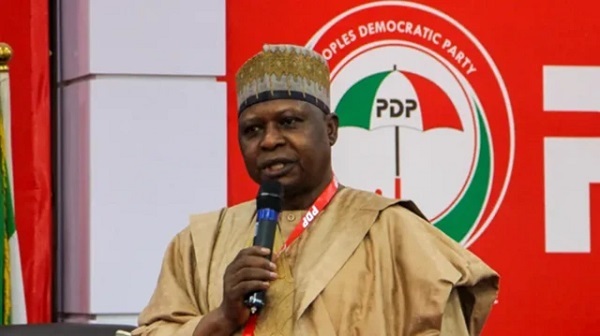
PDP National Publicity Secretary, Ini Ememobong, stated this during a live television programme on Thursday night.
He explained that the new leadership has been engaging stakeholders across all levels, including governors, but is not pressuring anyone to stay.
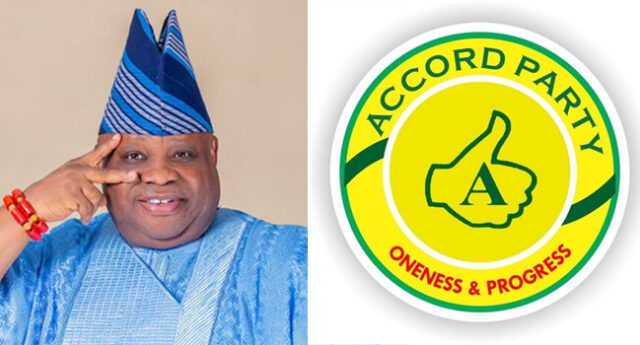
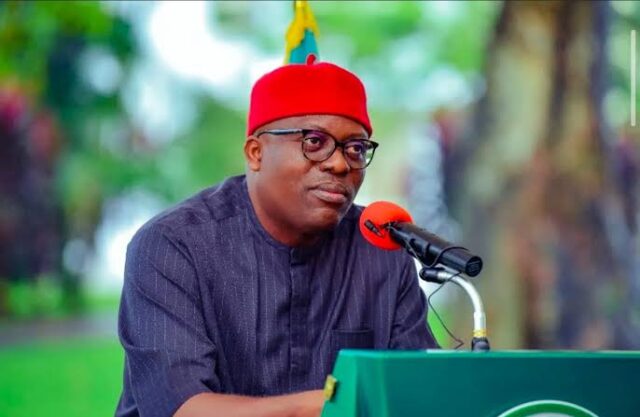
Ememobong said while former Osun State Governor Ademola Adeleke’s defection to the Accord Party was the result of “unfortunate circumstances,” Rivers State Governor Siminalayi Fubara played a direct role in the crisis that ultimately led to his exit.
According to him, “Every executive has the power to take decisions that may be legal but morally questionable.”
“So, we are not begging anyone. The Turaki-led NWC is reaching out, just as the governors’ forum is also reaching out. But there is always a fine line between what is illegal and what is immoral.”
Speaking on Adeleke’s departure, Ememobong said the former governor became entangled in a chain of events the party could have managed better if stronger decisions had been taken earlier.
He explained that weak responses from PDP leaders after the party’s decline in 2023 allowed internal issues to fester.
“At leadership level, decisive action should have been taken from 2023. Instead, we kept negotiating, hoping that when tempers cooled, stakeholders would reconsider.”
“Unfortunately, things deteriorated until the Ibadan convention made its pronouncement,” he said.
Ememobong rejected suggestions that the party was making excuses for Fubara or Adeleke, saying both men contributed to the crises that engulfed them.
He said Fubara had consistently avoided transparency about the alleged agreements made with those who helped him emerge as PDP candidate.
“We sympathise with him as a person,” he said. “Fubara has always been a calm, gentle individual pushed to the wall. But attempting to shift the blame is what we oppose.”
The spokesman said even fellow governors had at various points reached out to support Fubara, only to find him unresponsive.
“Some governors told me they deployed help, but he would either go silent or say, ‘Don’t worry, we’ll handle it.’ Volenti non fit injuria, no harm is done to a willing party,” Ememobong added.
He accused the governor of selective memory regarding the origins of the crisis, likening it to “Stockholm syndrome, where a captive begins to identify with the captor.”
Ememobong argued that third parties only intervene in political conflicts after affected actors confirm the existence of a crisis.
“If agreements are holding and the state is not suffering, there is no reason to intervene because you wouldn’t even know there was an agreement,” he said.
He faulted Fubara for failing to consult the party or the PDP Governors’ Forum before attending a meeting with President Bola Tinubu at the height of the crisis.
“Even after his election, it took a long time before he properly identified with the party,” he said.
“We understood that his hands might have been tied. But once he felt the heat, he started calling for help.”