Home Blog Page 28

Soludo Hails Security Gains As End Of Sit-at-Home Revives Southeast Trade

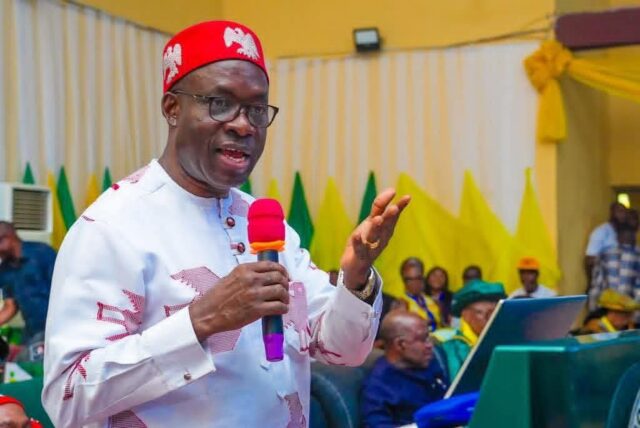
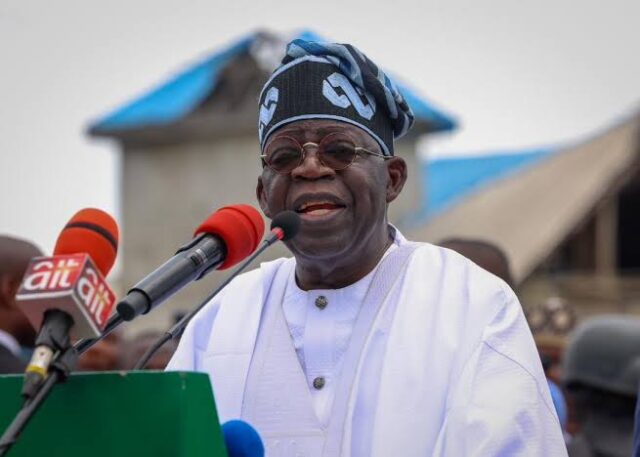
Governor Chukwuma Soludo of Anambra State has said the suspension of the weekly sit-at-home in the Southeast is already yielding economic benefits, with commercial activities rebounding and thousands of businesses reopening across the region.

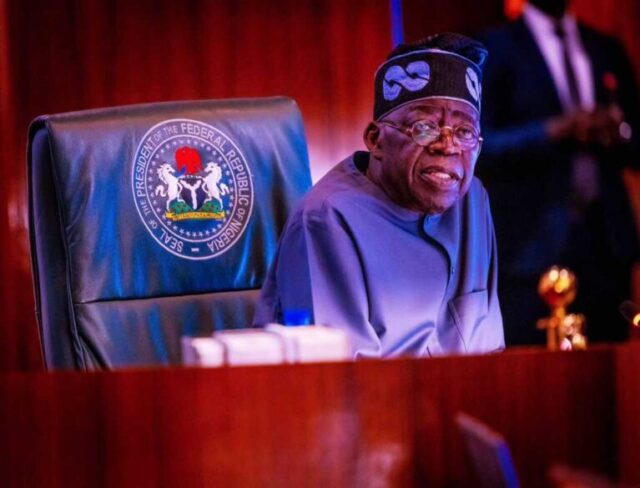
Speaking after a closed-door meeting with President Bola Tinubu at the Presidential Villa, Abuja, the governor disclosed that more than 45,000 shops at the Onitsha Main Market now operate fully on Mondays, signalling renewed confidence among traders and investors.

Soludo attributed the development to intensified security efforts by his administration, noting that over 62 criminal camps have been dismantled in different parts of the state.

He said the improved security environment has encouraged residents, traders and students to resume normal activities at the start of the week.

According to him, the prolonged enforcement of sit-at-home orders linked to the agitation for the release of IPOB leader, Nnamdi Kanu, inflicted significant economic and social losses on the Southeast, forcing some businesses to relocate and discouraging investment.

He explained that his government adopted a multi-layered security strategy, including the establishment of the Agunechemba vigilante outfit and the deployment of anti-cultism and anti-touting task forces, to restore public confidence and protect communities.

The governor noted that the renewed stability has boosted trading activities, particularly in Onitsha Main Market, one of the largest commercial centres in West Africa, where foot traffic and business transactions have picked up considerably since the return to normal Monday operations.

Soludo added that the state government is also working on plans to upgrade market infrastructure, recover public spaces converted to trading stalls and reposition the market as a major commercial hub in the region.

While clarifying that his meeting with the President was not solely focused on security, he emphasised that maintaining peace and sustaining economic recovery remain central priorities of his administration.

Google search engine

Power Sector Workers Issue 21-Day Strike Notice Over Alleged Anti-Labour Practices

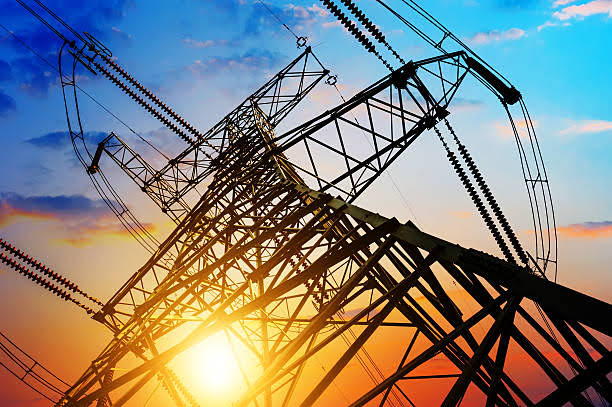
Electricity workers in Nigeria have issued a 21-day ultimatum to the Federal Government, warning of possible industrial action over what they describe as worsening anti-labour practices and poor working conditions across the power sector.

The threat was made by the National Union of Electricity Employees (NUEE) in a letter addressed to the Minister of Power, Adebayo Adelabu.

The union is demanding urgent intervention in what it calls “precarious employment conditions” affecting workers in the Nigerian Electricity Supply Industry, particularly within generation and distribution companies.

Acting General Secretary of NUEE, Dominic Igwebike, said the union had repeatedly drawn the ministry’s attention to the issue since the privatisation of the sector over a decade ago but alleged that employers and regulators had shown little commitment to resolving the concerns.

He accused power sector operators of failing to negotiate and implement collective agreements and conditions of service, and of disregarding the provisions of the 2025 National Minimum Wage Act and its consequential adjustments.

The union also alleged that some companies have restricted unionisation within their premises, a move it said undermines workers’ constitutional rights to freedom of association and collective bargaining.

According to Igwebike, the situation has deepened job insecurity, lowered morale and heightened tension among employees.

He further argued that the persistent labour disputes highlight broader shortcomings in the post-privatisation structure of the electricity industry, urging the Federal Government to convene key stakeholders to address the issues and stabilise the sector.

NUEE warned that if its demands are not met within 21 days of receiving the letter, workers may resort to industrial action using what it described as legitimate labour measures to defend their rights and interests.

The union insisted that its position should not be seen as a threat but as a call for urgent dialogue and reforms to prevent disruption in electricity supply nationwide.

Google search engine

Senators Exchange Blows At Stormy NASS Session Over Umahi’s N3.4 Trillion Works Budget Defence


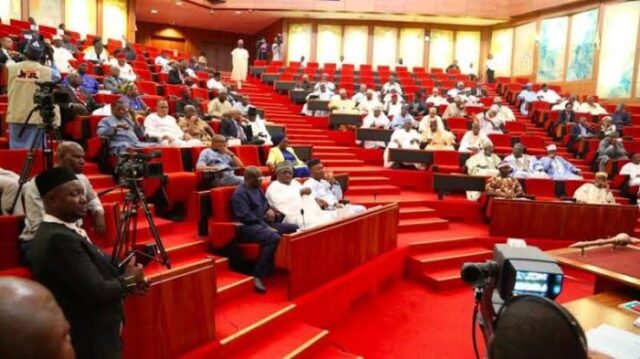
Chaos broke out at the National Assembly on Wednesday when the Minister of Works, David Umahi, appeared before lawmakers to defend his ministry’s proposed ₦3.4 trillion budget for 2026, sparking heated arguments, procedural interruptions and sharp confrontations over road contracts and spending priorities.

The joint Senate and House Committees on Works had convened to review the ministry’s capital estimates and assess progress on ongoing federal road projects.

However, what began as a routine budget defence quickly turned tense as lawmakers questioned procurement processes, project execution and accountability.

The situation escalated after a pointed exchange between Umahi and Senator Adams Oshiomhole (APC, Edo North) over the removal of Julius Berger from the Abuja–Kaduna–Zaria–Kano Road project and its alleged reassignment to Maikano, a company some legislators claimed lacks large-scale highway construction experience.

Oshiomhole pressed the minister on the contractor’s technical capacity, transparency in the bidding process and value for money on the strategic corridor.

Umahi rejected the criticism and challenged lawmakers to inspect the project themselves, declaring that he would resign if the work failed to meet required standards.

“I invite the committee to visit the site. If the road is not up to standard, I will throw in the towel,” he said, expressing confidence in the contractor.

Tensions deepened when Senator Onyekachi Nwaebonyi (APC, Ebonyi North) and Deputy Minority Whip, Senator Rufai Hanga (NNPP, Kano Central), clashed over the conduct of the proceedings.

Nwaebonyi, who praised Umahi and urged colleagues to support the ministry, was asked by Hanga to conclude his remarks.

The request sparked a heated response from Nwaebonyi, who argued he had been given less time to speak compared to Oshiomhole and insisted he could not be silenced.

He further asserted his seniority as a ranking member of the ruling party, a claim Hanga strongly rejected.

Hanga countered by asserting his own electoral mandate, stating that the votes that brought him to the Senate in 2023 far exceeded those of Nwaebonyi.

The confrontation drew the attention of senior lawmakers, including Senators Ali Ndume and Adamu Aliero, who stepped in to calm the situation and restore order.

Despite the disruption, Umahi presented details of the ministry’s spending plan and the status of federal road projects.

He explained that ₦760 billion of the ₦3.245 trillion capital allocation is set aside for new projects across the six geopolitical zones, separate from four legacy projects inherited from previous administrations, including the Akwanga–Jos–Bauchi–Gombe–Maiduguri Road.

The minister disclosed that the Tinubu administration inherited more than 2,000 ongoing projects valued at about ₦13 trillion as of May 2023, excluding tax-credit projects previously handled by the Nigerian National Petroleum Company Limited, which has since withdrawn.

He added that an estimated ₦7 trillion would be required to complete these projects, while contractors are owed over ₦2.2 trillion, a development he said has slowed progress nationwide.

Addressing concerns about several ₦14 million entries in the budget, including for the Odukpani–Ikot Ekpene Road, Umahi described them as accounting placeholders rather than the true value of the projects.

He also revealed that only about nine per cent of the ₦2.2 trillion capital allocation for 2025 had been released, severely affecting project implementation.

Umahi assured lawmakers that portions of major legacy projects would be ready for commissioning between May and December 2026 if adequate funding is provided.

He maintained that the ministry remains committed to accountability, quality delivery and value for money despite fiscal pressures and the backlog of inherited projects.

Google search engine

Russia Denies Allegations Of Recruiting Nigerians To Fight In Ukraine

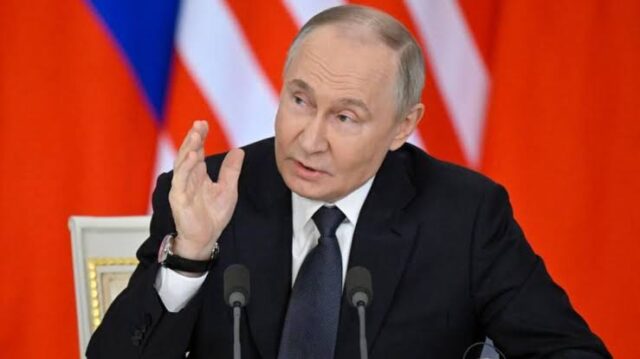
Russia’s Ambassador to Nigeria, Andrey Podyelyshev, has dismissed claims that the Russian government is recruiting Nigerians to participate in the ongoing war in Ukraine.

His reaction followed a recent investigative report alleging that several Africans, including Nigerians, Ghanaians, Kenyans and Ugandans, were enticed to Russia with promises of civilian jobs such as security and driving roles, alongside financial incentives and the prospect of citizenship.

According to the report, some of the individuals were allegedly compelled to enlist in the military upon arrival, with claims that they received minimal training before being deployed to combat zones.

Others reportedly said they were made to sign military agreements written in Russian without proper explanation, while their travel documents were withheld.

The investigation also highlighted allegations of racial discrimination and harsh treatment, echoing earlier concerns about the involvement of foreign nationals in the conflict.

Addressing journalists in Abuja, the Russian envoy denied any official involvement, stressing that there is no government-backed initiative targeting Nigerians or other Africans for military service in Ukraine.

He noted that if any recruitment is taking place, it is being carried out by illegal actors without the knowledge or approval of the Russian state.

Podyelyshev added that Russian authorities are open to investigating any credible complaints, provided verifiable evidence is presented to support the allegations.

Google search engine

Nigeria Faces Fresh Borrowing Pressure As 2026 Budget Deficit Hits N25.27 Trillion

Nigeria may resort to additional borrowing to finance its 2026 budget as lawmakers and fiscal experts raise concerns over a widening deficit and weak revenue performance.

At a public hearing on the 2026 Appropriation Bill in Abuja, the Senate disclosed that the proposed budget of N58.47 trillion is set against projected revenue of N33.19 trillion, leaving a deficit of about N25.27 trillion.

Chairman of the Senate Committee on Appropriations, Solomon Adeola, said borrowing remains unavoidable given the country’s development needs and uncertain revenue inflows, but stressed that fiscal discipline and responsible debt management would be prioritised.

He added that debt servicing alone is expected to gulp about N15.90 trillion, underscoring the growing pressure on public finances.

Adeola warned that the National Assembly would intensify scrutiny of government spending, particularly service-wide votes, and insisted that future budgets would no longer be extended beyond December of any fiscal year due to poor implementation and abandoned projects.

He also emphasised the need for ministries, departments and agencies to improve cooperation with oversight bodies to ensure transparency, accountability and efficient use of public funds.

Meanwhile, concerns over poor budget implementation resurfaced as the Minister of Health, Prof. Mohammed Ali Pate, revealed that his ministry received only N36 million out of the N218 billion appropriated for its 2025 capital expenditure.

According to him, the limited release of funds severely affected the execution of capital projects, despite the full utilisation of personnel allocations.

Pate attributed the funding gaps to cash planning constraints and delays in releasing counterpart funds, which prevented access to donor-supported projects.

He explained that the health sector’s planning framework aligns with national development strategies and prioritises Universal Health Coverage, particularly through the strengthening of primary healthcare services.

The minister said the 2026 health budget proposal was prepared in line with the Medium-Term Expenditure Framework and processed through the Government Integrated Financial Management Information System to ensure needs-based allocation.

Lawmakers also highlighted concerns about inefficiencies in public spending, pointing to the electricity sector as a major financial burden that requires urgent structural reforms.

The House Committee on Healthcare Services, led by Amos Magaji, directed the health ministry to provide detailed records of donor funds received and how they were utilised as part of ongoing oversight efforts.

Google search engine

2027: Transparent Elections Would Unseat 90% Of Federal Lawmakers, Says Sowore

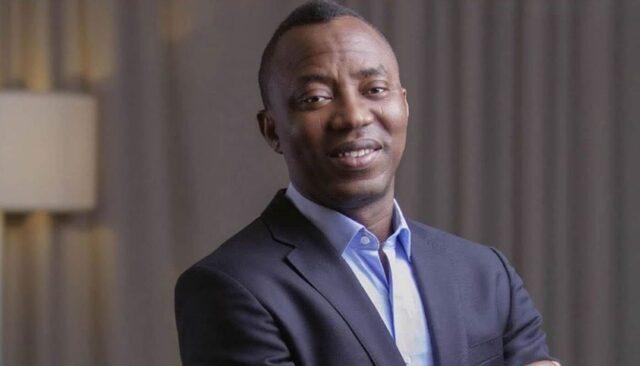
Human rights activist and former presidential candidate, Omoyele Sowore, has asserted that the majority of Nigeria’s elected officials would lose their positions if elections were conducted in a truly transparent manner.

Sowore made the remark while reacting to the ongoing debate surrounding recent amendments to the Electoral Act, particularly the provision allowing both electronic transmission and manual collation of election results.

Speaking on Channels Television’s The Morning Brief, he argued that resistance to full electoral transparency stems from fear among political officeholders that credible elections could threaten their seats.

According to him, claims that poor internet connectivity necessitates manual collation are unfounded and merely serve as justification to retain loopholes in the electoral process.

He maintained that if transparency is fully enforced, as much as 90 per cent of lawmakers and other elected officials may not return to office.

The activist also criticised the Senate’s decision to retain manual collation as a backup option, describing it as a calculated move that could allow a return to practices that undermine public confidence in elections.

Sowore further expressed dissatisfaction with the Independent National Electoral Commission’s IREV system, which he described as outdated, and called for Nigeria to adopt a full electronic voting system.

Drawing comparisons with India, he noted that the country successfully manages elections involving hundreds of millions of voters through electronic voting, with minimal post-election disputes.

He added that if Nigerians can conduct sensitive financial transactions electronically, the country should also be able to implement secure electronic voting that allows citizens to cast their ballots remotely.

Google search engine

Arik Air Plane Makes Emergency Landing In Benin After Engine Failure, Disaster Averted As 80 Passengers Safe

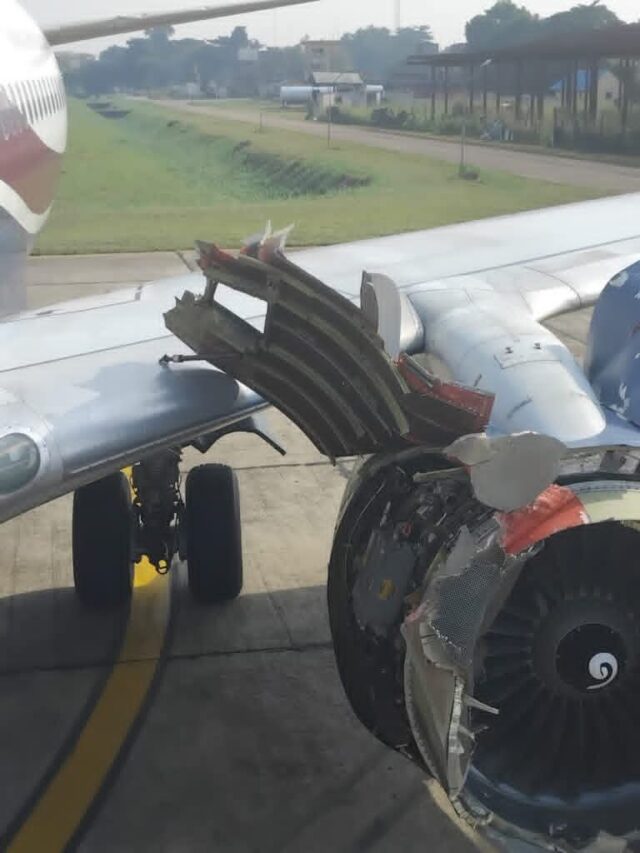
An Arik Air aircraft carrying 80 passengers and crew made an emergency landing at the Benin Airport on Wednesday following a fault detected in one of its engines during flight.

The Boeing 737-700, with registration number 5N-MJF, was en route from Lagos to Port Harcourt when the crew reportedly heard a loud bang from the left engine while descending into Port Harcourt airspace.

The pilots immediately initiated safety procedures and diverted the aircraft to the nearest suitable airport in Benin.

The airline confirmed that the plane landed safely and all passengers disembarked without injuries. Arrangements were subsequently made to transport them to their final destination.

Arik Air spokesperson, Adebanjo Ola, explained that the decision to divert was taken as a precaution after the unusual sound from the engine.

He added that passenger safety remained the airline’s top priority and apologised for the disruption caused by the incident.

The Nigerian Safety Investigation Bureau also confirmed the development, describing it as an in-flight engine anomaly that required a precautionary shutdown of one engine and a diversion.

According to the agency, preliminary findings indicate significant damage to the affected engine based on an initial visual inspection conducted after landing in Benin.

The NSIB said it has commenced a full investigation in line with aviation safety regulations and international standards.

A team has been deployed to secure the aircraft, collect evidence, interview relevant personnel, and retrieve data from the flight data recorder and cockpit voice recorder.

The bureau noted that a preliminary report will be released within 30 days, while a final report will follow at the conclusion of the investigation.

Google search engine

“I’m Alive And Well”, Pete Edochie Debunks Fresh Death Rumors

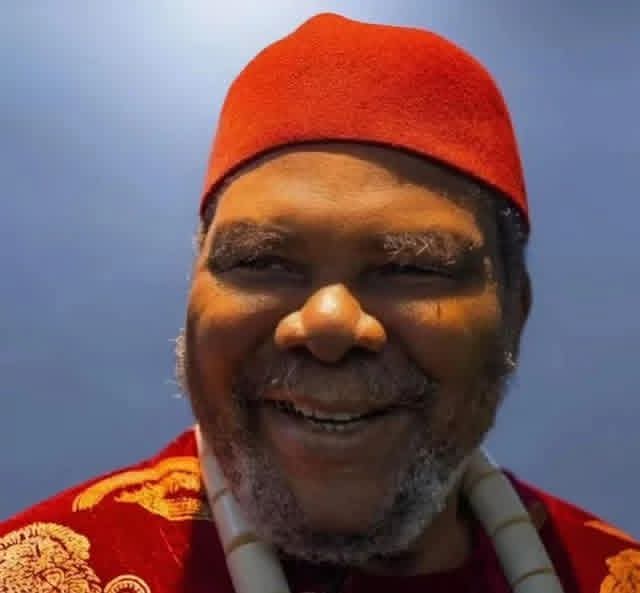
Veteran Nollywood actor Pete Edochie has dismissed yet another wave of false reports claiming he is dead, reaffirming that he is alive and in good health.

The 78-year-old screen icon, widely known for his role as Ebubedike, addressed the rumours during a recent interview, describing the claims as baseless and recurring.

According to him, the latest speculation alleged he was rushed to hospital and died, with reports falsely attributing confirmation to his son, Uche Edochie.

Edochie firmly refuted the claims, noting that this is not the first time he has been wrongly declared dead.

He said he has been the subject of similar hoaxes multiple times since 2012, with stories ranging from alleged accidents to claims that he passed away abroad.

“I’m alive and will die when my maker calls me home,” the actor stated, recalling past rumours, including fabricated reports of a plane crash and even claims that he had been buried.

The respected Nollywood legend, who turns 79 on March 7, attributed his longevity and vitality to strong family genes, revealing that his father lived to the age of 96.

Pete Edochie remains one of the most influential figures in the Nigerian film industry, with numerous honours to his name, including the Member of the Order of the Niger (MON) and the Africa Magic Viewers’ Choice Awards Industry Merit Award.

Google search engine

Tinubu Resubmits Ex-Kebbi Governor’s Name For Ambassadorial Appointment

President Bola Tinubu has formally forwarded the nomination of former Kebbi State Governor, Usman Dakingari, to the Senate for confirmation as an ambassador, just two weeks after the initial nomination was withdrawn amid controversy.

The submission was conveyed in a letter read on the Senate floor on Tuesday by Senate President Godswill Akpabio.

Tinubu stated that the appointment was made pursuant to Section 171, subsections (1), (2)(c), and (4) of the 1999 Constitution of the Federal Republic of Nigeria (as amended), urging the Senate to consider the nomination expeditiously.

The presidential letter read in part, “Distinguished Senate President, request for the confirmation of a career ambassador. I am pleased to present for confirmation by the Senate the appointment of Usman Dakingari as career ambassador.

“Whilst I hope that the Senate will consider and confirm the nominee expeditiously, please accept the assurances of my highest regards.”

Following the reading, Akpabio referred the nomination to the Senate Committee on Foreign Affairs for screening, instructing the panel to report back within one week.

During deliberations, senators clarified that Dakingari’s nomination is for a non-career ambassadorial role, despite the presidential letter’s wording suggesting a career posting.

Lawmakers noted that his political background aligns more with a political appointment than a professional foreign service position, and the screening will reflect this distinction.

The nomination forms part of the Tinubu administration’s broader effort to fill vacant diplomatic positions and strengthen Nigeria’s representation in key foreign missions, many of which have remained unoccupied since the government transition.

Dakingari was previously listed in January as an ambassador-designate to Turkey, but his name was later withdrawn following debates in political and diplomatic circles.

Google search engine

US Lawmakers Introduce New Bill On Nigeria Targeting Fulani Militias, Kwankwaso


United States lawmakers have introduced new legislation aimed at increasing accountability for human rights abuses in Nigeria, including potential sanctions against Fulani militias and former Kano State Governor Rabiu Kwankwaso.

According to the lawmakers, the proposed legislation seeks to strengthen the impact of previous US actions in Nigeria.

“Today, I am proud to introduce the Nigeria Religious Freedom and Accountability Act of 2026 with Rep. Chris Smith,” US Representative Riley Moore stated.

Moore, a Republican, emphasised the US commitment to global religious freedom, adding, “The U.S. is a Christian nation. As such, we must stand with persecuted Christians around the world.”

“Our legislation will build upon the momentum of President Trump designating Nigeria as a Country of Particular Concern and the recent US-Nigeria security framework agreement,” he said, referencing past measures targeting religious persecution and security cooperation.

Legal experts and advocates have highlighted the bill’s focus on accountability for specific actors involved in religiously motivated violence.

Sean Nelson, Senior Counsel for Global Religious Freedom, praised the bipartisan effort, noting, “Powerhouse team of Rep. Chris Smith & Rep Riley Moore today introduced a new bill on religious freedom in Nigeria increasing accountability measures, incl recs for sanctions against Fulani militias and former Kano State gov Kwankwaso, who intro’d Sharia criminal law there.”

The legislation comes amid growing international attention on the rise of sectarian violence in Nigeria.

The bill specifically recommends sanctions against armed groups accused of perpetrating violence and government figures who have enacted or supported laws that critics say infringe on religious freedoms.

Observers note that the bill signals a stronger US willingness to tie security and economic cooperation with human rights benchmarks.

By linking sanctions directly to accountability for abuses, the proposed law could influence how Nigeria addresses religiously motivated attacks in the future.

The Nigeria Religious Freedom and Accountability Act of 2026 is expected to undergo committee review in the US House of Representatives, with supporters urging quick consideration given the urgency of ongoing religious freedom concerns.

DAILY GAZETTE earlier reported that the United States would deploy 200 troops to Nigeria to provide training and technical support to the country’s armed forces, with both governments stressing that the personnel will not participate in direct combat operations.

“We are getting US troops to assist in training and technical support,” Major General Samaila Uba, spokesperson for Nigeria’s Defence Headquarters, told AFP.

According to a report by The Wall Street Journal, the additional 200 troops will supplement a small US team already in Nigeria assisting with air strike targeting.

The reinforcements are expected to arrive in the coming weeks and will focus on strengthening operational coordination between Nigerian forces.

The US personnel will provide “training and technical guidance,” including helping Nigerian counterparts better coordinate operations involving air strikes and ground troops simultaneously, the newspaper reported.

Despite the scale-up, Nigerian authorities were emphatic that the American troops would not be drawn into frontline fighting.

“US troops aren’t going to be involved in direct combat or operations,” Uba told the Journal, underscoring that their role would be limited to advisory and support functions.

He added that Nigeria requested the additional assistance as part of efforts to enhance the effectiveness of its security operations against extremist groups operating in parts of the country.

Nigeria has battled insurgency for more than a decade, particularly in the North-East, where Boko Haram and the Islamic State West Africa Province (ISWAP) have carried out attacks on both civilian and military targets.

The conflict has led to thousands of deaths and the displacement of millions.

The expanded cooperation comes amid diplomatic pressure from Washington over insecurity in Nigeria.

US President Donald Trump has previously described the situation as “persecution” and “genocide” against Christians.

The Nigerian government has consistently rejected allegations that the violence amounts to a targeted campaign of Christian persecution, describing such claims as a mischaracterisation of a complex security crisis driven by terrorism, banditry and communal conflicts.

Google search engine

MOST COMMENTED

- Advertisement -
Google search engine