Police Uncover Human Flesh, Abandoned Car During Stop-and-Search, Suspect In Custody
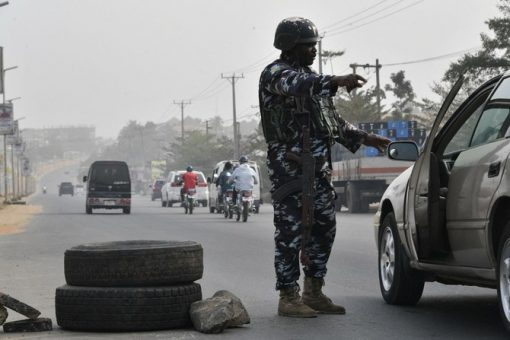
The Oyo State Police Command has reaffirmed the importance of its ongoing “Stop-and-Search” operations along highways, intersections and adjoining roads, saying they are essential in curbing crime and protecting lives.
In a statement issued Thursday, the Command said one such routine search yielded shocking discoveries at the Toll Gate axis of the Ibadan‑Expressway at around 11:30 a.m. on Wednesday.
A white bus with registration number XA 551 IRG was intercepted by a Federal Highway Patrol team.
Inside, one occupant, identified as Alfa Basiru, was found with a substance suspected to be human flesh.
The suspect told police he bought the flesh in Lagos.
He is now in custody at the Homicide Section of the State Criminal Investigation Department (SCID), Iyaganku, where the item is undergoing forensic analysis to determine its authenticity and source.
In a separate incident, officers flagged down a Toyota Camry (registration LSD 957 JX).
The driver fled on sight, abandoning the vehicle. The car has since been impounded.
The police are asking anyone with legitimate claim to produce verified documents and contact the Command via +234 808 176 8614.
The Command stressed that these searches are not mere public relations gestures, but serious efforts to maintain law and order and ensure the safety of residents and travelers across Oyo State.
While expressing gratitude to the public for its cooperation, the police vowed that such operations will continue to ensure enhanced security in the state.