Home Blog Page 756

Forex Trader Lands In Court For Allegedly Misappropriating Client’s $10,000

A Forex trader, Henry Gabriel, appeared before the Federal Capital Territory (FCT) High Court in Zuba on Monday, facing charges of misappropriating $10,000 belonging to Navy Capt. A. Madaki.

Gabriel and his company, HDFX Limited, are charged with criminal conspiracy and breach of trust.

Prosecution counsel, Mr. Abubakar Aminu, accused Gabriel of using the funds for personal purposes in 2022 after Madaki entrusted the money to him for a one-year forex investment cycle.

The prosecution also revealed that Gabriel’s company was operating without proper authorization or a license.

The charges contravene sections 97 and 312 of the Penal Code, and Gabriel pleaded not guilty to the allegations.

In response, defense counsel E.J. Ayinmode filed a bail application based on sections 165 and 162 of the Administration of Criminal Justice Act (ACJA) and section 36 of the Nigerian Constitution, requesting that Gabriel be granted bail pending the trial.

Ayinmode highlighted that Gabriel was already on administrative bail and had complied with all requirements.

The prosecution did not oppose the bail application, and Justice Kezziah Ogbonnaya granted bail to Gabriel, stipulating two sureties.

One surety must provide proof of property ownership within the FCT, while the other must present $10,000 or its equivalent.

The case was adjourned until March 18 for hearing.

Google search engine

Enugu Allocates N2 Billion For Farm Estates In 2025

The Enugu State Government has announced a N2 billion allocation in 2025 to develop farm estates across the state’s 260 wards.

Dr. Patrick Ubru, the state’s Commissioner for Agriculture and Agro-Industrialization, revealed this plan on Monday in Enugu.

Ubru explained that the initiative, spearheaded by Governor Peter Mbah’s administration, aims to make each ward self-sufficient in food production, ensuring food security for all localities.

He stated that residents would be trained in modern agricultural practices, including the use of high-yield seeds and proper land management techniques.

He further emphasized that the “One Political Ward, One Farm Estate Initiative” would revolutionize agriculture in the state, with each ward establishing farm estates where various agricultural activities, such as crop farming, animal husbandry, poultry, horticulture, and fish farming, would take place.

The commissioner also noted that the state government would work closely with local government councils to ensure the success of the initiative.

Special emphasis will be placed on engaging local youths, encouraging them to take ownership of the project, which offers significant benefits.

Ubru pointed out that the initiative would address multiple challenges, including food insecurity and conflicts between farmers and herders, as the farm estates will be secured with fencing.

He added that the program would provide job opportunities, particularly for the youth, by boosting agricultural productivity.

Additionally, the state government plans to collaborate with local government chairmen to implement 24-hour security and monitoring within the farm estates, ensuring their smooth operation and safety.

Google search engine

Man Remanded Over Alleged N6 Million Theft

A 35-year-old man, Ikechukwu Nkwuda, was remanded in custody on Monday by an Ile-Ife Magistrates’ Court following allegations of stealing goods valued at N6 million.

According to the prosecutor, Insp. Sunday Osanyintuyi, the alleged theft took place between June 2023 and November 2024 at a store located on No 1. Aderemi Road, Lagere, Ile-Ife.

Osanyintuyi stated that Nkwuda entered the shop of Okoro Frank with the intention of committing a crime and subsequently stole items, including power banks, chargers, MP3 Bluetooth devices, and JBI players, all worth a total of N6 million.

The prosecutor said the offense violated sections 383(3), 390(9), and 413 of the Criminal Code, Laws of Osun State, 2002.

Nkwuda, who appeared in court without legal representation, pleaded not guilty to the two charges of entering the premises and theft.

Magistrate Abosede Sarumi instructed the defendant’s counsel to file a formal bail application and ordered that Nkwuda be remanded in the custody of the Nigerian Correctional Service in Ile-Ife.

The case was adjourned until February 12 for further proceedings.

Google search engine

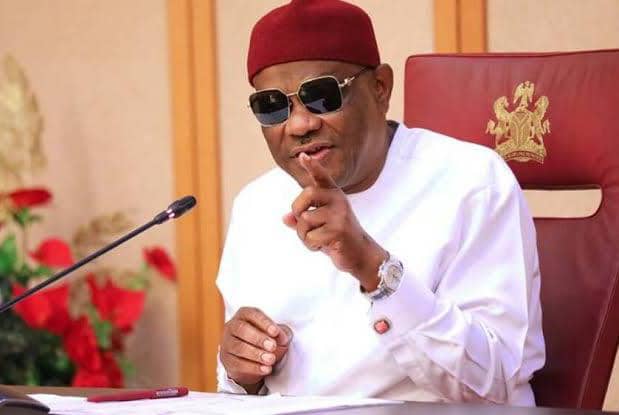
PDP Crisis: If Wabara Were My Father, I Would Have Disowned Him – Wike Blows Hot

Minister of the Federal Capital Territory (FCT), Nyesom Wike, has knocked Adolphus Wabara, the chairman of the Peoples Democratic Party (PDP) Board of Trustees (BoT), for his involvement in the ongoing leadership crisis within the opposition party.

Wike accused Wabara of exacerbating tensions between him and Rivers State Governor Siminilayi Fubara, his former ally.

Despite attempts at resolution, including the intervention of President Bola Tinubu, the conflict continues.

In a media discussion in Abuja, Wike expressed his dissatisfaction with the actions of some PDP leaders, who are pushing for the removal of the Acting National Chairman, Umar Damagum, and National Secretary, Sam Anyanwu, despite court rulings.

Wike stated that Wabara, if he were his father, would be disowned, calling the BoT chairman unworthy of leadership.

He also referred to former President Olusegun Obasanjo’s comments on Wabara’s alleged corruption.

Wike emphasized that the issue was now in the courts and that the party’s constitution should be followed.

He pointed out that any resignation should be followed by elections to replace the affected leaders, rejecting attempts to bypass due process.

Wike also underscored the need to respect the rule of law, advocating for a focus on resolving internal party issues ahead of the planned convention.

He expressed a desire to see the convention occur as scheduled in December and to elect new party executives.

Google search engine

Nigerian Governor Completes US Marathon Despite Freezing Weather

Oyo State Governor, Seyi Makinde, successfully finished the Houston Half-Marathon in a time of 2 hours and 53 minutes, overcoming freezing temperatures of 1°C.

Makinde shared the accomplishment on X (formerly Twitter) on Sunday evening.

The governor noted that his time was an improvement over his performance in the 2022 Berkeley Half-Marathon in San Francisco, California.

He expressed his satisfaction with the result, despite the tough conditions, saying, “Though conditions were tough with freezing temperatures at 1 degree Celsius, I finished faster than the Berkeley Half Marathon which I ran about two years ago.”

In addition to the half-marathon, Makinde also participated in a 5k fun run the previous day, completing it in 38 minutes.

The Houston Half-Marathon is part of the city’s annual sporting event, which includes the marathon and a 5k race.

This year, Ethiopia’s Addisu Gobena won the men’s half-marathon, clocking a time of 59 minutes and 17 seconds.

Google search engine

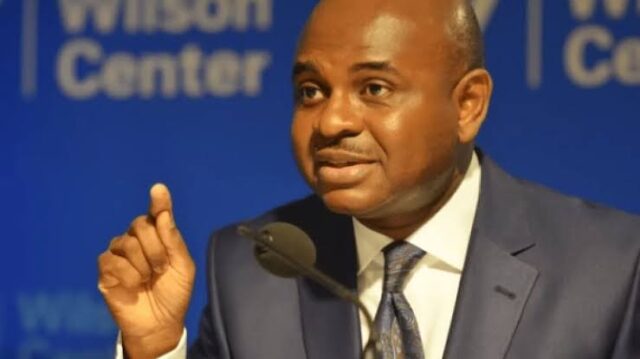
A New People’s Constitution Will Address Nigeria’s Nationhood And Economic Challenges – Prof. Moghalu

Professor Kingsley Moghalu, President of the African School of Governance (ASG) in Kigali, Rwanda, has called for the creation of a new constitution for Nigeria to resolve its issues of state formation and the deteriorating economy.

Moghalu emphasized that many Nigerian leaders have avoided engaging in meaningful discussions about the need for a new constitution.

Speaking during a webinar on Leadership in Africa, hosted by renowned historian Professor Toyin Falola as part of the Toyin Falola Interview Series, the political economist and former Deputy Governor of the Central Bank of Nigeria (CBN) argued that Nigeria must find a way to build consensus among its diverse ethnic groups for lasting peace and stability.

Moghalu firmly stated his belief that Nigeria needs a new constitution, saying, “Nigeria needs a new constitution if it is to overcome the problems of its state formation and the current state of the economy and polity.”

He suggested that ethnic nationalities in the country must come together to discuss the meaning of Nigeria and define their rights within it.

According to Moghalu, a broad consensus could bring greater peace and stability to the nation, though he acknowledged that it may take time for this process to unfold.

The former presidential candidate also pointed out that political leaders often shy away from this critical conversation due to the competition for control over Nigeria’s resources.

He referenced the national conference convened by former President Goodluck Jonathan, which addressed some of these issues but was not fully implemented due to political delays.

Moghalu also criticized the current administration for dismissing the recommendations from that conference, labeling them as outdated.

He stressed that Nigeria’s political leaders fail to recognize that a sense of nationhood is vital for effective governance.

“Without a sense of nationhood, government cannot function properly,” he said.

Moghalu further argued that Nigeria’s economic challenges are directly tied to the lack of unity and the focus on control over natural resources, which continues to be driven by political interests rather than national development.

Google search engine

Israel Releases 90 Palestinian Prisoners As Part Of Ceasefire Deal

As part of a ceasefire agreement with Palestinian militant group Hamas, Israel has released 90 Palestinian prisoners, the majority of whom are from the West Bank, with others coming from East Jerusalem.

Palestinian media outlets showed footage and images of the released detainees arriving in Ramallah.

The release of the prisoners follows the handover of three Israeli hostages by Hamas on Sunday.

The hostages—identified as Romi Gonen, Emily Damari, and Doron Steinbrecher by the Israeli military—were transferred to the International Committee of the Red Cross (ICRC) before being returned to Israeli forces.

They were then taken to a hospital in Tel Aviv, where they were reunited with their families.

Hamas has confirmed that an additional four Israeli hostages will be released next Saturday, as part of an agreement involving a total of 33 Israeli hostages being exchanged for 1,904 Palestinian prisoners held in Israeli jails over a six-week period.

This exchange is part of a three-stage ceasefire agreement brokered between Israel and Hamas, following months of stalled negotiations during the ongoing 15-month Gaza war.

The ceasefire agreement, reached on Wednesday, marks the culmination of diplomatic efforts by the United States, Egypt, and Qatar to mediate between the two sides.

Google search engine

Tinubu Makes Fresh Appointment

President Bola Ahmed Tinubu has appointed Princess Zahrah Mustapha Audu as the new Director-General of the Presidential Enabling Business Environment Council (PEBEC).

The appointment is part of efforts to enhance Nigeria’s business climate and attract more foreign investments.

Princess Zahrah, an experienced entrepreneur and technology expert, is expected to leverage her extensive background in business development, innovation, and investment promotion to improve the nation’s economic environment.

She holds a degree in business management and a background in software engineering from a renowned institution in the United Kingdom.

Before her new appointment, Princess Zahrah served as the Technical Adviser on Foreign Direct Investment (FDI) to the President within the Office of the Vice President.

During this time, she led the “Invest in Nigeria” campaign and facilitated the Existing Foreign Direct Investors Roundtable Forum, significantly boosting Nigeria’s profile as an attractive investment hub.

In addition to her professional achievements, Princess Zahrah is also known for her philanthropic work, focusing on uplifting disadvantaged communities across Nigeria.

She has fostered strong relationships with international organizations and governments, advocating for policies that promote economic growth and opportunities for Nigerians.

Google search engine

Oyedele Urges Swift Implementation Of Tax Reforms For Economic Growth

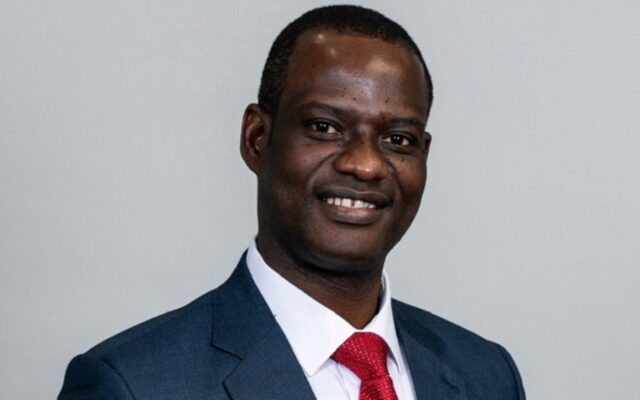
Taiwo Oyedele, Chairman Presidential Fiscal Policy and Tax Reforms Committee, 

Taiwo Oyedele, the Chairman of the Presidential Fiscal Policy and Tax Reforms Committee, has called for the rapid implementation of the proposed tax reforms by mid-2025, emphasizing that the current tax system is hindering Nigeria’s economic progress and must be restructured.

Speaking at the Annual Roundtable Summit organized by the CEO’s Group of the Covenant Community Groups in Lagos, Oyedele highlighted that while increasing government revenue doesn’t automatically improve the economy, a stronger economy will naturally lead to higher revenues.

He stressed the need for policies that are inclusive and address the disparities in inflation and income, ensuring that all Nigerians benefit from the reforms.

In his keynote speech, titled ‘May Nigeria Work for Me’, Oyedele underscored the importance of human capital development, proposing initiatives like interest-free education loans, consumer credit systems, skills development programs, and tax policies that could stimulate Nigeria’s economic growth and stability.

He cautioned against the risks of economic mismanagement, drawing comparisons with Zimbabwe’s hyperinflation crisis, and warned that unsustainable subsidy policies had drained national resources, leaving the country vulnerable to financial collapse.

He explained how the Nigerian National Petroleum Corporation (NNPC) had used critical national resources, such as equity crude and profit oil, to fund subsidies, which he said contributed to the economic strain.

“Our tax system is like trying to race in a 1960s car against Ferraris. It’s a major constraint, and it must be fixed,” Oyedele remarked, highlighting the urgency of the proposed reforms.

Oyedele expressed hope for Nigeria’s economic future, predicting that the reforms would lead to reduced inflation, stable exchange rates, and an uptick in industrial output.

He also encouraged both public and private sectors to address the rising demand for foreign exchange, urging Nigerians to shift from speculative practices to productive investments.

“Our reforms aim to ease pressure on monetary authorities and bring about greater stability. We’re turning a corner, and 2025 will signal the start of a new era,” he added.

The tax reform advocate also emphasized the need for accessible and relevant education, proposing interest-free loans and stipends for students from disadvantaged backgrounds to support their studies.

He stressed that such initiatives would offer hope to many students and foster inclusivity in education.

Oyedele also criticized the current state of Nigeria’s educational system, noting that the focus on degrees disconnected from practical skills does not meet the needs of society.

“We need to redirect students toward more practical fields of study. Education should be more than theoretical; it must serve the demands of the economy,” he stated.

On the issue of salaries for academics, Oyedele expressed concern over the low wages paid to Nigerian professors, which he argued made it difficult to attract qualified educators.

He compared the salaries of Nigerian professors to those in developed countries, lamenting that earning N400,000 per month would not allow professors to dedicate themselves fully to their work.

“The quality of education suffers when we don’t invest in our lecturers. If we don’t make teaching an attractive profession, our education system won’t thrive,” he said.

Oyedele also discussed the potential benefits of a more inclusive credit system, proposing consumer loans to support the purchase of locally manufactured goods.

He argued that such loans could boost domestic industries and help Nigerians build wealth over time, citing the example of using credit to buy homes instead of spending decades saving.

“Why should it take you 35 years to build a house when you can live in one and pay for it over time? This is how you foster economic growth,” he concluded, reinforcing the need for reforms that support sustainable local economic development.

Google search engine

Debate Over Local Government Autonomy As FG Implements Direct Funding

As Nigeria’s 774 local government areas (LGs) prepare to begin receiving direct funding from the Federal Government, concerns have emerged about the ability of local council chairmen and existing institutional frameworks to ensure accountability and transparency.

These issues are exacerbated by a lack of democratic oversight at the local level, where corruption, abuse of power, and a loss of public trust in governance have been persistent challenges.

Historically, state governments have controlled local government affairs, with many councils performing limited functions.

Governance structures, such as legislative bodies, are often non-operational, further undermining the effectiveness of local councils.

Additionally, there are worries about the local governments’ ability to implement state-wide minimum wage policies due to poor revenue generation, weak economic activity, and inadequate infrastructure in many areas.

Some fear a return to the pre-1999 period, when local governments struggled to pay salaries for essential workers like primary school teachers and health center staff.

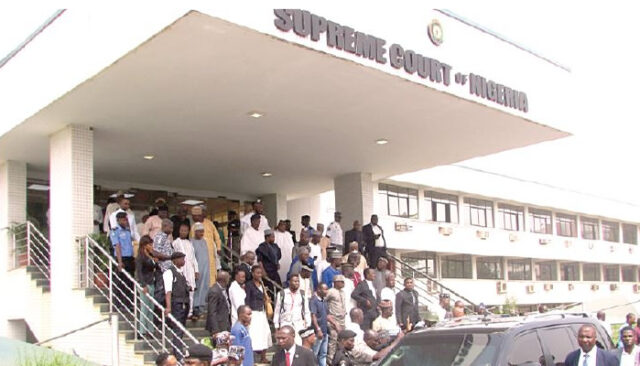
An investigation by The Guardian revealed that unless local government laws and regulations are amended in accordance with the Supreme Court’s ruling granting financial autonomy, state governors and political figures will continue to control the finances of the councils.

Currently, state houses of assembly oversee the operations of local governments, but their regulations are largely dictated by governors through state ministries.

These ministries control procurement rules, set spending limits, and manage council funds, often limiting the autonomy of council chairmen and councillors.

Former Ijebu East Local Government Chairman, Wale Adedayo said only Lagos State has begun updating its local government administrative laws to address current challenges in financial management.

He urged other states to follow this example and align their laws with the Supreme Court ruling.

In order to prevent a repeat of past financial crises, Adedayo called for the Federal Government to instruct the Central Bank of Nigeria (CBN) to prioritize the payment of salaries and pensions for local government workers, particularly in education and health, ensuring that funds are deposited into separate accounts for transparency.

At the same time, the National Assembly faces the challenge of amending the Constitution to remove Section 162(6), which governs the states/local government joint account (JAAC), in order to fully implement the Supreme Court’s ruling on financial autonomy.

However, there has been little action on this front, with both the Presidency and state governors hesitant to agree on how the ruling will be executed.

In 2023, the Federation Account Allocation Committee (FAAC) paid N3.774 trillion into the JAAC, which is controlled by state governors, while local governments received N9.56 trillion between 2019 and 2023.

Financial management expert and former Ogun State Finance Commissioner, Kehinde Shogunle, emphasized the need for clear federal guidelines to ensure that local government expenditures are transparent and accountable.

He pointed out that for years, local governments have struggled with poor allocations and the overwhelming control of state governors.

Shogunle stressed that local councils lack the political and administrative capacity to manage large amounts of funds and to ensure accountability without proper oversight.

Professor Remi Aiyede from the University of Ibadan warned that without sufficient oversight, local government autonomy could result in “decentralized corruption.”

He called for stronger internal systems within local councils and for anti-corruption agencies to take a more active role in monitoring local government activities.

Despite these concerns, former President of the Association of Local Governments of Nigeria (ALGON), Kolade Alabi, dismissed claims that local government chairmen are not capable of managing funds and ensuring transparency.

Alabi argued that the new financial autonomy would lead to significant development at the grassroots level, benefiting communities across the country.

He assured Nigerians that mechanisms are in place to monitor local government expenditures, and any chairmen found misappropriating funds would face legal consequences.

In a similar vein, former ALGON Chairman in Oyo State, Abbas Aleshinloye, argued that governors should no longer impose limits on local government spending, as this unnecessarily ties the councils to state control.

He stressed that local governments must have the freedom to manage their funds autonomously.

Adedayo, who previously chaired Ijebu East Local Government, explained that the administrative framework at the state level is mirrored in local governments, where a treasurer, head of local government administration, and auditor general are responsible for overseeing financial management.

He assured that councillors have the necessary training to approve and monitor budgets effectively.

However, there has been little visible progress on the part of the National Assembly to implement the Supreme Court’s judgment on local government autonomy.

Despite Senate President Godswill Akpabio’s commitment to removing Section 162(6) of the Constitution, which enforces the JAAC system, no concrete legislative action has been taken.

State governors, however, continue to resist full implementation of the ruling. Governor Chukwuma Soludo of Anambra State, for instance, signed a new law establishing a State Joint Local Government Account, despite criticism from civil society groups.

Soludo defended the law, arguing that granting full autonomy to local governments could lead to instability and hinder development.

He insisted that the new legislation aligns with the Supreme Court ruling and is intended to facilitate its implementation rather than undermine it.

On the federal level, representatives such as Mark Esset from Akwa Ibom State have expressed doubts about the Supreme Court’s ruling, arguing that the states should retain some oversight over local governments, as mandated by the Constitution.

Esset contended that the ruling does not provide full autonomy to local governments, given that state assemblies are constitutionally tasked with overseeing their operations.

Political scientist, Professor Gbade Ojo emphasized that local government officials are capable of managing funds, suggesting that anti-corruption agencies should focus on overseeing the use of public resources.

He also pointed to informal mechanisms in some states that help safeguard funds for local government workers, particularly pensioners and teachers.

Prof. Akeem Amodu, a former head of the Political Science Department at Lead City University, also called for state auditors and public accounts committees to monitor local government finances closely.

He urged the use of digital tools and systems, such as e-budgeting and automated payment platforms, to ensure transparency in fund allocation.

Dr. Damilola Agbalajobi from Obafemi Awolowo University emphasized the importance of punitive measures for any council chairmen who mismanage funds, calling for public disgrace and repayment of misused funds.

She also stressed the need for citizens’ participation in local government administration, ensuring that local councils are held accountable to the people they serve.

As Nigeria moves toward implementing local government financial autonomy, the challenge will be ensuring that the new system leads to greater development and transparency at the grassroots level.

Google search engine

MOST COMMENTED

- Advertisement -
Google search engine