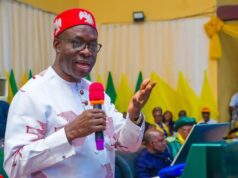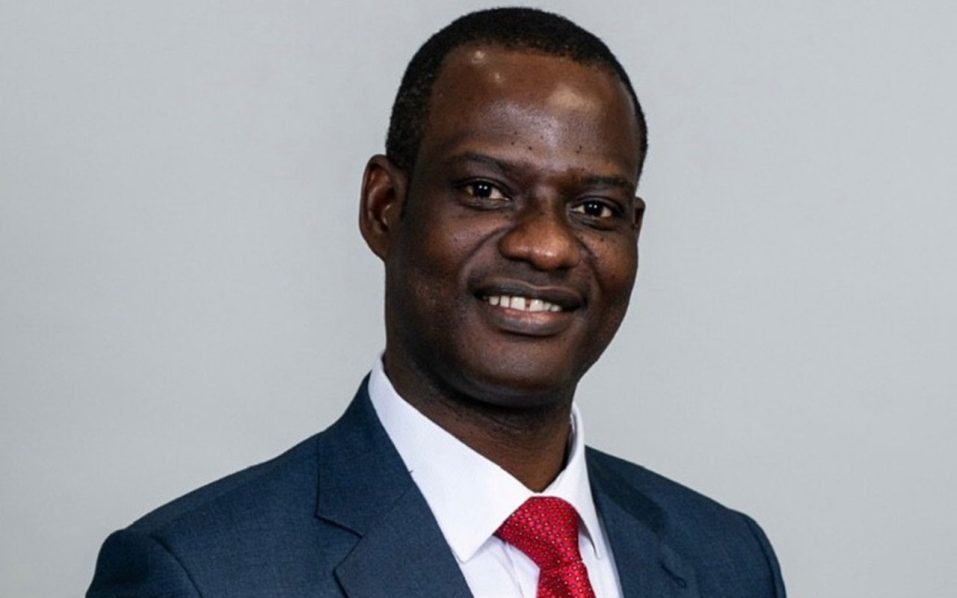

Chairman of the Presidential Committee on Fiscal Policy and Tax Reforms, Taiwo Oyedele, has announced that households earning ₦250,000 or less per month will be exempt from taxation under Nigeria’s new tax laws.
Speaking on Politics Today, a Channels Television programme aired on Thursday, Oyedele clarified that the newly signed tax legislation is not aimed at burdening low-income earners but rather at stimulating economic growth and enhancing tax compliance.
“This tax law will not give you cash in your pocket, but at least it won’t take your cash away if you are poor,” he said.
The exemption policy comes shortly after President Bola Tinubu signed four new tax bills into law, a development that marks a major milestone in the country’s ongoing fiscal reforms.
Oyedele, formerly a top executive at PriceWaterhouseCoopers (PwC) and appointed by Tinubu in July 2023, said the reforms will become effective in January 2026.
According to him, the reforms were carefully designed to avoid taxing poverty.
Instead, they aim to protect small businesses, streamline tax processes, and close the country’s significant tax gap.
“We have eliminated the tax component for people at the bottom, we have reduced for people at the middle, and we have increased slightly for people at the top,” Oyedele explained.
The reforms define “middle-income” as those earning between ₦1.8 million to ₦2 million monthly.
He noted that this group represents only about 5% of Nigeria’s population, and while they will still pay taxes, the amount will be lower than what they currently pay.
“That middle, we estimated it at about ₦1.8 to ₦2m a month. If you are earning that amount and below, your tax will not be zero but it will reduce from what you are paying today,” he stated.
Addressing the process behind determining the income threshold for tax exemption, Oyedele said his committee engaged in extensive deliberations on how to define poverty within the Nigerian context.
“We debated this question; we said: ‘Who is a poor person in Nigeria?’
First, we started with data like the World Bank and the UN will tell you two dollars, fifteen cents a day per person means you are at the poverty line, but there are people who do not earn two dollars a day but they are not poor because they produce the food that they eat and they do not pay for transportation. I lived and grew up in the village.”
He continued by explaining how the team localized the poverty line by analyzing the economic reality of a typical Nigerian household.
“So, we had to factor that in. We drew our own (poverty) line for Nigeria on the basis of an average of five people per family: two people working if they are lucky, taking care of the five.
When we did the maths, it gave us an amount, and that was what we used in determining the income below which nobody should pay taxes.
We came up with a ₦120,000 or ₦130,000 per two people working in a household of five. If the earnings are about ₦250,000, they can take care of themselves. Of course, they are not going to have luxury, but at least they can take care of themselves. They are poor, and they shouldn’t pay taxes.”
Oyedele also revealed a startling gap in the nation’s tax revenue performance. He said Nigeria currently collects only about 30% of what it ought to be generating through taxation.
“The objective of the new tax laws is to close the 70% gap,” he said.