
Bangladesh’s caretaker government has officially scrapped a longstanding protocol that required female public officials to be addressed as “sir,” calling the practice a bizarre remnant of former Prime Minister Sheikh Hasina’s rule.
The announcement was made in a statement released late Thursday by the caretaker government’s press office.
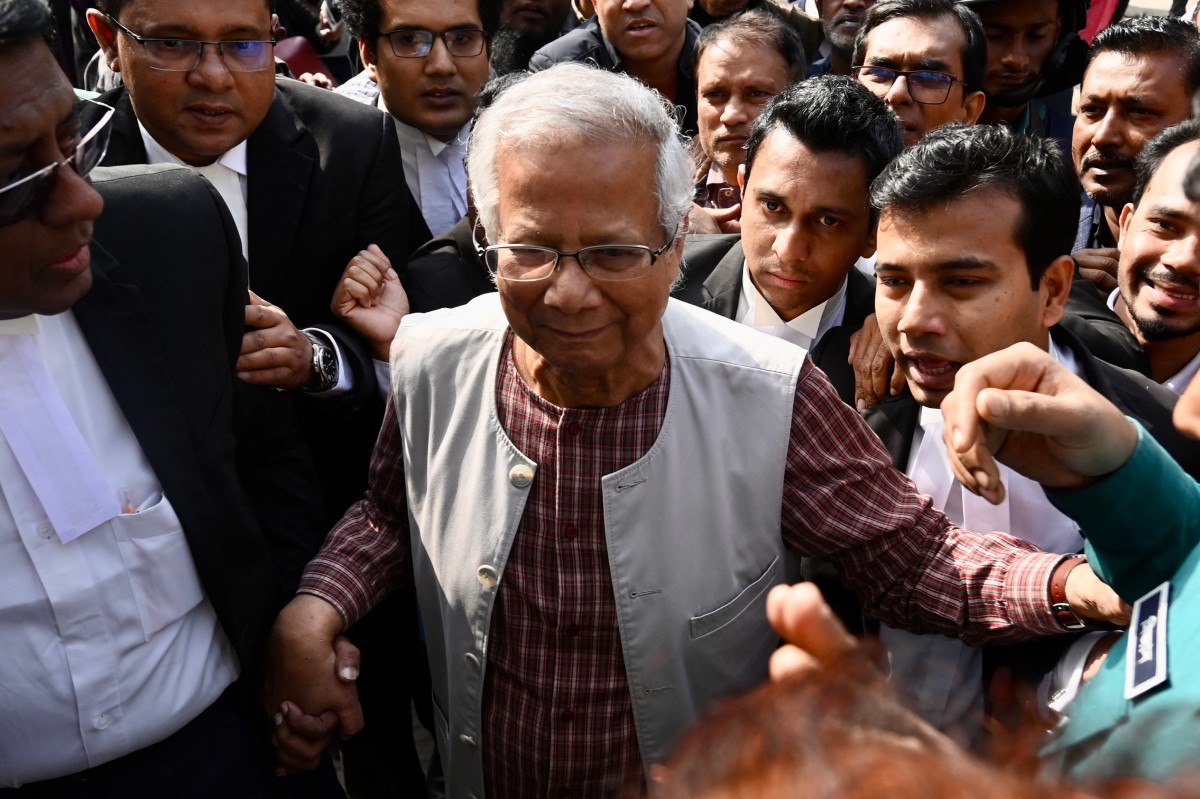
Led by Nobel Peace Prize laureate Muhammad Yunus, the interim administration took charge following a student-led uprising that ousted Hasina in 2024, forcing her into exile in India.
“During Sheikh Hasina’s nearly 16-year-long autocratic rule, a directive was reportedly issued requiring public officials to address her as ‘sir’,” the government’s statement said.
“This practice extended to other high-ranking women officials, who were and still are being called ‘sir’, which is clearly odd.”
The directive has now been annulled, and a new committee has been tasked with reviewing and updating official protocol and formal address practices across government institutions.
While the move was framed as a step toward correcting authoritarian-era policies, not all public servants welcomed the change.
A female bureaucrat who spoke to AFP on condition of anonymity noted that the decision was made without consulting the women directly affected.
“The tradition began during Sheikh Hasina’s tenure, but many women officers supported it, finding the address gender-neutral,” she said.
Hasina, now 77, is facing charges at Bangladesh’s International Crimes Tribunal for alleged atrocities during a government crackdown on mass protests in mid-2024.
The United Nations estimates that up to 1,400 people were killed in violent clashes between July and August of that year. Prosecutors claim Hasina bore “overall command responsibility” for the bloodshed.
Her refusal to return to Dhaka to face trial has further deepened political divisions in the country.
Meanwhile, the caretaker government under Yunus has been rolling back policies seen as symbolic of Hasina’s dominance.