
Major petroleum marketers have warned that fuel prices may rise following the federal government’s introduction of a 15 per cent import duty on Premium Motor Spirit (PMS) and diesel.
President Bola Ahmed Tinubu approved the new tariff regime through a letter dated October 21, 2025, referenced PRES8197/HAGF/100/71/FIRS/40/88-2/NMDPRA/2.
The letter, signed by Damilotun Aderemi, the President’s Private Secretary, was addressed to the Attorney General of the Federation, the Federal Inland Revenue Service (FIRS), and the Nigerian Midstream and Downstream Petroleum Regulatory Authority (NMDPRA).
The move has sharply divided stakeholders in the oil and gas sector.
While some experts see it as a progressive step toward encouraging local refining and reducing import dependency, others fear it could push pump prices higher, worsening the cost-of-living crisis for Nigerians.
According to FIRS Chairman Zacch Adedeji, who initiated the policy proposal, the 15% duty on the Cost, Insurance, and Freight (CIF) value of imported fuel could raise petrol prices by about ₦99.72 per litre.
“The core objective,” he explained, “is to operationalize crude transactions in naira, strengthen local refining capacity, and stabilize petroleum supply under the President’s Renewed Hope Agenda.”
Adedeji added that the adjustment would align local and imported fuel prices “without inflating consumer costs beyond sustainable levels.”
Even after the increase, he said, Lagos pump prices would average around ₦964 per litre ($0.62), still below regional prices in Senegal ($1.76), Côte d’Ivoire ($1.52), and Ghana ($1.37).
Despite the commencement of operations at the Dangote Refinery, Nigeria still imports roughly 67% of its petrol.
According to NMDPRA, local refineries supplied only 30.79% of national demand in June 2025, about 15.17 million litres daily, compared to 34.1 million litres imported.
In total, Nigeria consumed 1.48 billion litres of petrol that month, down 16% from May.
The Central Bank of Nigeria (CBN) also disbursed $1.259 billion to fuel importers between January and March 2025, underscoring the country’s continued reliance on imported products.
However, Dangote Refinery Vice President (Oil & Gas), Devakumar Edwin, maintains that the plant has enough capacity to meet domestic demand and export surplus.
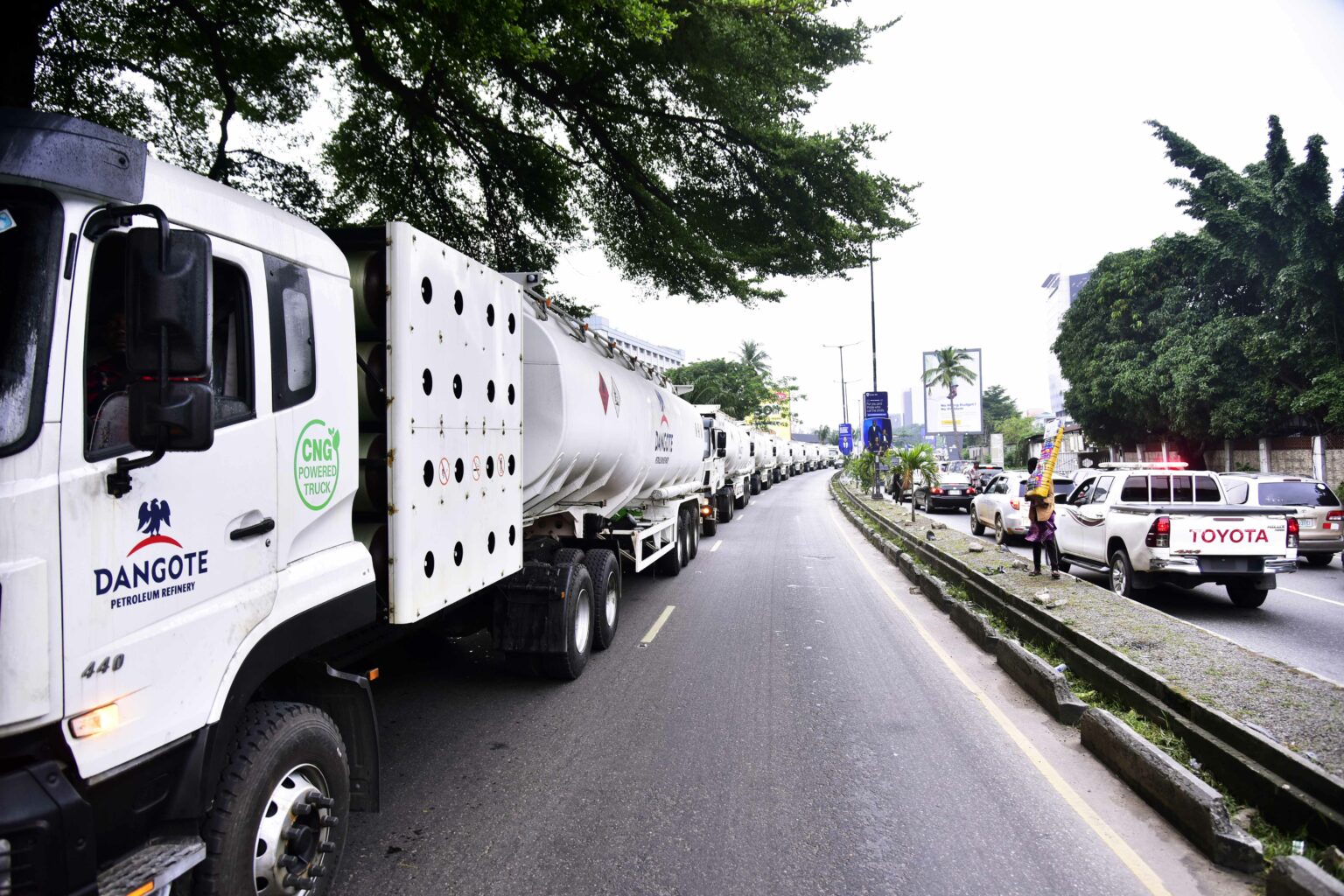
“We currently have over 312 million litres of PMS in storage and continue to produce daily. Bring your tankers, we will load as many as you bring,” Edwin said, boasting that the 650,000-barrel-per-day facility could meet Nigeria’s entire demand for petrol, diesel, and aviation fuel.
Despite these assurances, some marketers insist the new duty will drive prices up.
A major marketer who spoke anonymously said:
“Dangote’s capacity is not yet sufficient. If you impose this duty now, it will trigger a fresh round of price hikes. We’re not getting enough supply locally, and deliveries are often delayed.”
Otunba Tunji Oyebanji, Managing Director of 11 PLC (formerly Mobil), echoed that sentiment:
“Fifteen percent may mean more government revenue, but definitely higher prices for Nigerians.”
IPMAN President, Alhaji Abubakar Maigandi, said the association will issue an official position soon.
However, former IPMAN General Secretary, Mike Osatuyi, welcomed the policy, saying it would safeguard domestic investments.
“This is the right step to protect local refineries. We’ve been importing fuel for decades and enriching foreign economies at our own expense. With Dangote and other refineries coming up, we must protect them.”
Professor Sanusi Aliyu Rafindadi, a member of the Daily Trust Board of Economists, described the policy as defensible under the infant industry protection argument, but warned of possible misuse.
“Tariffs can help young industries grow, but only if they don’t end up raising consumer prices. The government must monitor the market closely to ensure Dangote’s advantage isn’t abused,” he said.
He cautioned that if both imported and locally refined prices rise after the tariff, it may signal that the measure is driven more by revenue motives than protectionism.
Economist Dr. Paul Alaje agreed that the duty would discourage importation and strengthen local manufacturing.
“It’s a form of protection. We can’t continue flooding the market with imports when we’re trying to build local capacity,” he said, adding that he has not yet observed any fuel shortages or price surges.
However, Professor Wumi Iledare, a petroleum economist, warned that importers are likely to pass the extra cost to consumers.
“This policy will help protect refineries like Dangote and the NNPC plants under rehabilitation. But in the short term, pump prices may rise, possibly up to ₦1,500 per litre if not well managed,” he cautioned.
Iledare noted that Nigeria’s current fuel prices (₦650–₦720/litre) remain below those of neighbouring countries, but as regional prices converge, smuggling risks could increase.
He urged the government to ensure transparency and apply what he called the “Quadruple E Principles”, Efficiency, Effectiveness, Ethics, and Equity, in implementing the new policy.