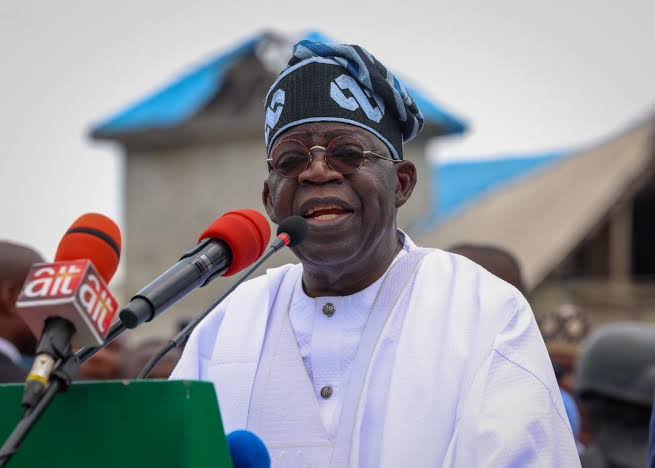

President Bola Ahmed Tinubu has approved a ₦3.3 trillion intervention to settle long-standing debts in Nigeria’s electricity sector, in a move aimed at stabilising power supply and restoring investor confidence.
The approval, announced by presidential spokesman Bayo Onanuga, is part of the Presidential Power Sector Financial Reforms Programme targeting liabilities accumulated between 2015 and 2025.
Following verification, the government agreed on ₦3.3 trillion as a full and final settlement.
Implementation is already underway, with 15 power generation companies signing agreements worth ₦2.3 trillion. So far, ₦501 billion has been raised, with ₦223 billion disbursed, while further payments are ongoing.
The government says the intervention will improve liquidity across the power value chain, ensuring timely payments to gas suppliers and generation companies, and ultimately boosting electricity generation and reliability.
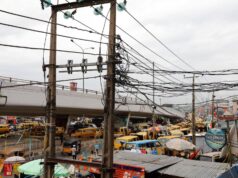
The move comes against a backdrop of persistent power outages, repeated grid collapses, and rising dependence on generators, which have significantly increased the cost of living and doing business across the country.
However, the plan has drawn criticism from the Nigeria Labour Congress (NLC), which previously described similar bailout demands by generation companies as excessive and unjustified.
Labour leaders argue that the privatised power sector has failed to deliver improved performance despite significant financial interventions.
Despite the concerns, the federal government insists the programme will drive broader reforms, including better metering, improved tariffs tied to service quality, and prioritised electricity supply for businesses and industries to support economic growth.