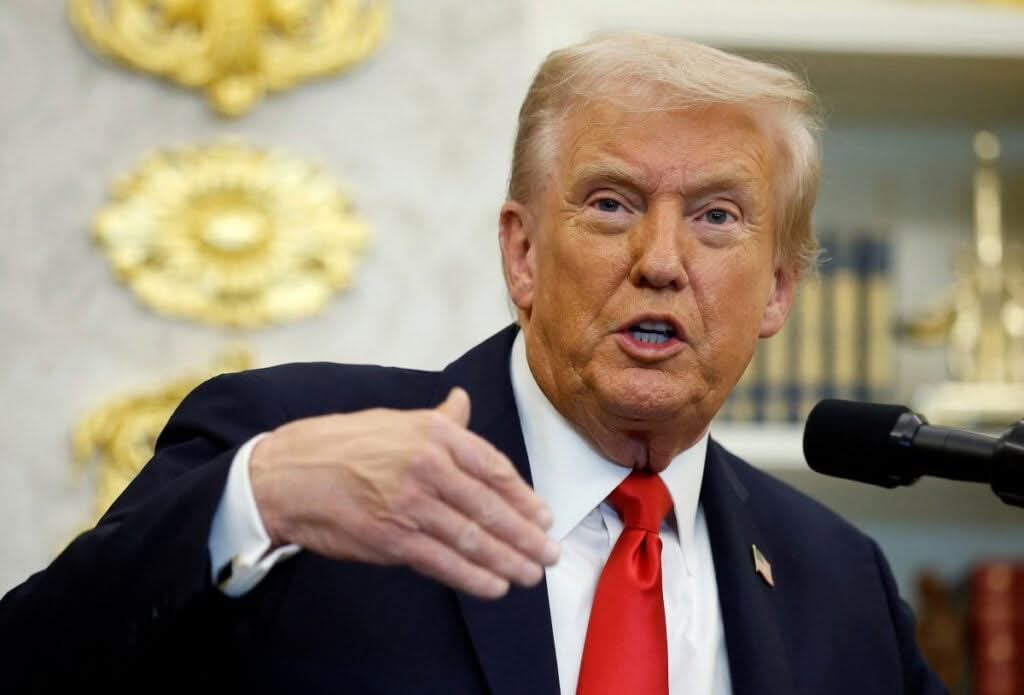

Tensions continue to rise in the ongoing conflict involving the United States, Israel, and Iran, as Donald Trump ramps up both rhetoric and military threats while diplomatic efforts remain uncertain.
Speaking at the White House, Trump declared that a Tuesday deadline for Iran to respond to US demands is final, warning that Tehran’s latest proposal to end the war is “significant” but ultimately insufficient.
Amid the standoff, Trump issued stark threats against Iran’s infrastructure, suggesting potential strikes on bridges and power plants, while also controversially stating that he would “take the oil” if given the chance.
He maintained that the core objective of the conflict is to prevent Iran from acquiring nuclear weapons—an allegation Tehran continues to deny.
On the ground, the conflict has already taken a deadly toll, with at least 34 people, including children, reported killed in strikes across Iran.
Meanwhile, violence has also spread across the region, with fresh casualties reported in Gaza following Israeli military actions.
Iranian officials, however, have rejected calls for a temporary ceasefire, citing past experiences with the US.
Instead, Tehran is pushing for a broader, region-wide agreement that would address multiple conflicts and ensure safe passage through the strategically vital Strait of Hormuz.
Analysts warn that the situation could spiral further, especially following attacks on key energy infrastructure, raising fears of a wider regional escalation involving oil, gas, and power facilities.
With both sides holding firm and threats intensifying, the path to de-escalation remains uncertain, as the world watches closely for Iran’s next move.