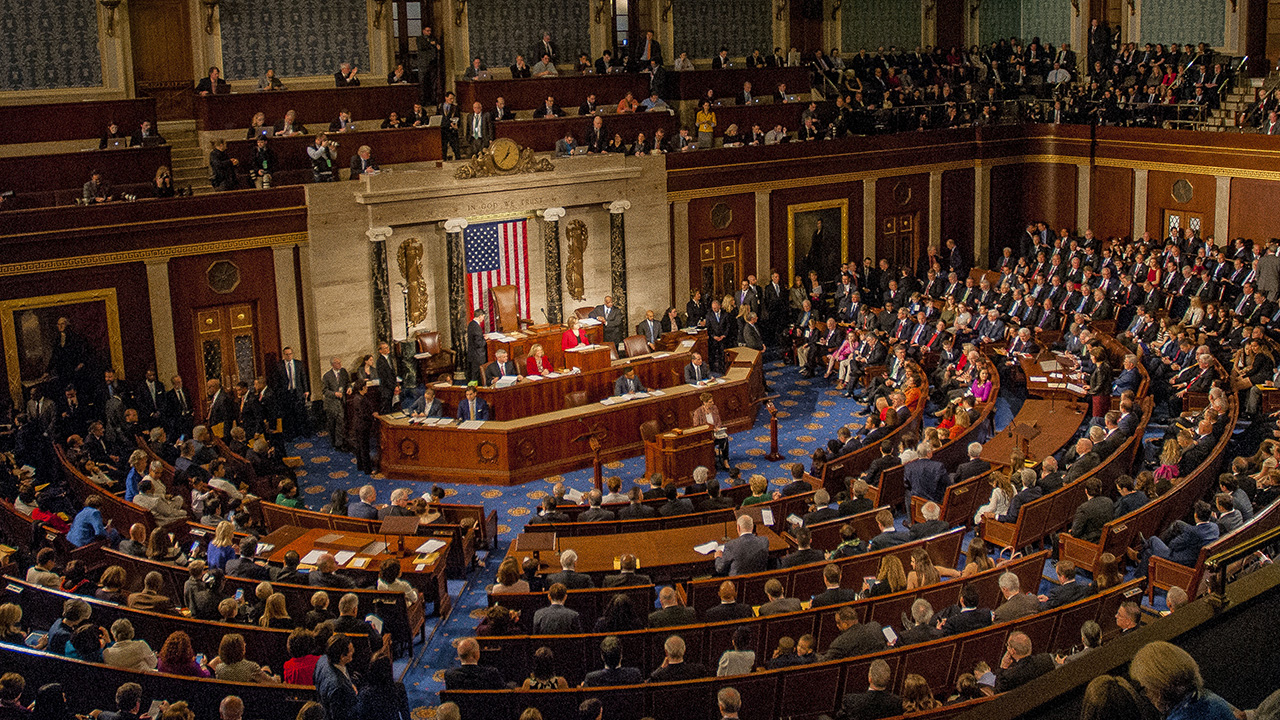

The United States House of Representatives has approved a spending bill that seeks to tie U.S. financial assistance to Nigeria to measurable progress in protecting Christians from religiously motivated violence.
The legislation, part of the Fiscal Year 2027 National Security, Department of State and Related Programs (NSRP) Appropriations Act, also includes an amendment proposing the suspension of all U.S. aid to Nigeria until the country demonstrates significant efforts to curb attacks on Christians.
The amendment, sponsored by Republican Congressman Greg Steube, was approved by the House alongside the broader bill championed by Congressman Riley Moore.
Announcing the development, Steube said the measure aims to ensure that American taxpayer funds are not provided to governments that fail to protect vulnerable religious communities.
According to him, the Nigerian government must take concrete steps to end the killing, abduction and persecution of Christians before U.S. assistance can resume.
During debate on the House floor, Steube argued that Nigeria has witnessed persistent attacks on Christians and other religious minorities, alleging that the government has not done enough to address the violence.
He maintained that U.S. foreign assistance should be used as leverage to encourage accountability and improved protection for affected communities.
Moore, who sponsored the main legislation, said the bill reflects efforts to strengthen oversight of U.S. foreign aid while holding Nigeria accountable for addressing insecurity affecting Christian communities.
He stated that the proposed conditions require Nigeria to demonstrate tangible progress in protecting vulnerable populations, tackling religious violence and facilitating the safe return of displaced persons to their communities.
The bill also includes provisions supporting police training, anti-human trafficking initiatives and enhanced oversight of U.S. assistance programmes in Nigeria and other countries.
In addition, the legislation allocates funding to combat ritual killings and organ trafficking in Africa while outlining broader U.S. foreign policy priorities, including efforts to counter transnational criminal networks and global security threats.
The bill has passed the U.S. House of Representatives but must still clear the remaining stages of the congressional legislative process, including Senate consideration and presidential approval, before it can become law.