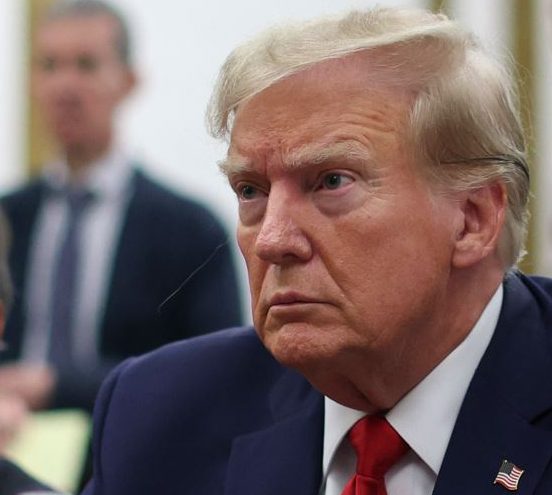

A federal judge in California has issued a temporary injunction halting the implementation of mass layoffs in the U.S federal workforce, which were initiated under a directive by President Donald Trump.
U.S District ,Judge Susan Illston, ruled on Friday that President Trump’s plan to significantly reduce the number of government employees likely requires congressional consent.
The judge granted a two-week restraining order to pause the administration’s layoff efforts.
“The Court holds the President likely must request Congressional cooperation to order the changes he seeks,” Judge Illston stated, emphasizing the need for legislative oversight.
The layoffs stem from a February 11 executive order signed by Trump, which called for a “critical transformation of the Federal bureaucracy.”
Under the directive, agencies were instructed to dismiss workers deemed non-essential.
The initiative was spearheaded by the Department of Government Efficiency (DOGE), now headed by tech billionaire Elon Musk.
In response, a coalition including labor unions, non-profits, and local governments filed a lawsuit against the Trump administration, DOGE, and several federal bodies such as the Office of Management and Budget.
They argue the executive order bypassed constitutional processes and has destabilized essential services.
“The Trump administration’s unlawful attempt to reorganise the federal government has thrown agencies into chaos, disrupting critical services provided across our nation,” said the American Federation of Government Employees (AFGE) in a joint statement with other plaintiffs, welcoming the court’s decision.
The coalition also stressed that “each of us represents communities deeply invested in the efficiency of the federal government, laying off federal employees and reorganising government functions haphazardly does not achieve that.”
Since returning to the presidency in January, Trump has aggressively pursued plans to streamline government, cutting thousands of jobs and rolling back programs.
Agencies such as USAID, diversity and inclusion offices, and others have come under direct scrutiny.
However, this is not the first time Trump’s policies have faced legal roadblocks.
Courts have also intervened in cases involving immigration and budget restructuring, often slowing down or blocking some of his administration’s major reforms.