
The Socio-Economic Rights and Accountability Project (SERAP) has taken legal action against the Nigerian National Petroleum Company Limited (NNPCL) for allegedly failing to account for ₦500 billion in oil revenue that was not remitted to the Federation Account between October and December 2024.
In a statement issued on Sunday by SERAP’s Deputy Director, Kolawole Oluwadare, the group said the lawsuit follows a recent report by the World Bank, which claimed that while NNPCL generated ₦1.1 trillion from crude oil sales and other income in 2024, only ₦600 billion was remitted—leaving a shortfall of ₦500 billion.
“In response to SERAP’s Freedom of Information (FoI) request, the NNPCL had claimed through its lawyers Afe Babalola and Co that the FoI Act does not apply to it,” the statement said.
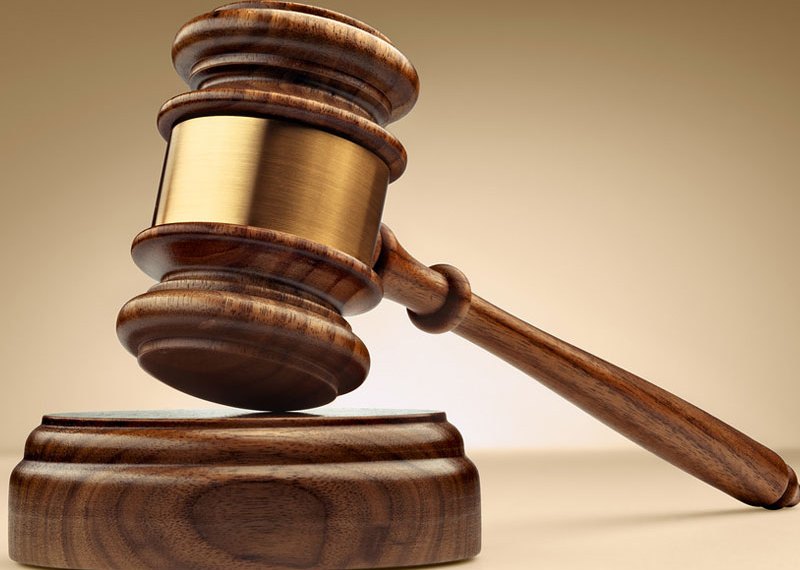
The suit, FHC/L/MSC/553/2025, was filed last Friday at the Federal High Court in Lagos. SERAP is asking the court for:
“An order of mandamus to direct and compel the NNPCL to account for the alleged missing N500 billion, which it allegedly failed to remit to the Federation Account between October 2024 and December 2024.”
Additionally, SERAP wants the court to “drect and compel the NNPCL to invite appropriate anticorruption agencies to investigate the spending and whereabouts of the said N500 billion and to ensure the prompt recovery and remittance of the money to the Federation Account.”
SERAP is also urging the court to “direct and compel the NNPCL to identify those suspected to be responsible for the alleged missing oil funds, surcharge them for the full amount involved, and hand them over to appropriate anticorruption agencies for investigation and prosecution.”
In its argument, SERAP contends:
“The NNPCL has a responsibility to comply with the Nigerian Constitution 1999 [as amended], the Freedom of Information Act, and the country’s international human rights and anticorruption obligations in the exercise of its statutory functions.”
According to SERAP, “the missing oil revenues have further damaged the already precarious economy in the country and contributed to high levels of deficit spending by the government and the country’s crippling debt crisis.”
The group believes that the alleged missing funds reflect a broader accountability failure within the NNPCL, and a persistent disregard for transparency.
“SERAP is also arguing that, the Supreme Court in a groundbreaking judgment recently declared that the Freedom of Information Act is applicable and applies to the public records in the Federation, including those kept by the NNPCL.”
The suit, filed by SERAP’s legal team, Kolawole Oluwadare, Oluwakemi Oni, and Valentina Adegoke, states:
“Nigerians continue to bear the brunt of these missing public funds from the NNPCL meant for the economic development of the country.”
“There is a legitimate public interest in providing the details sought. The NNPC has a legal responsibility to account for and explain the whereabouts of the missing oil money.”
SERAP emphasized that Nigeria’s vast oil wealth should benefit its people now and in the future. Without recovering and remitting the missing ₦500 billion, the country’s economic crisis could worsen, limiting access to basic services.
“Nigerians have the right to know why the NNPCL failed to remit the subsidy removal savings to the Federation Account, and why the NNPCL is deliberately denying states and local governments their allocations from the Account, contrary to the provisions of the Nigerian Constitution.”
The organization called the failure a serious breach of public trust:
“The failure by the NNPCL to remit the money to the Federation Account is a grave violation of the public trust and the provisions of the Nigerian Constitution, national anticorruption laws, and the country’s anticorruption obligations.”
It added “Despite the country’s enormous oil wealth, ordinary Nigerians have derived very little benefit from oil money primarily because of widespread grand corruption, and the entrenched culture of impunity of perpetrators.”
“Combating the corruption epidemic in the oil sector would alleviate poverty, improve access of Nigerians to basic public goods and services, and enhance the ability of the government to meet its human rights and anti-corruption obligations.”
SERAP noted that Nigerian law and international conventions guarantee citizens the right to know how public resources are managed.
“The Auditor-General of the Federation and Nigeria Extractive Industries Transparency Initiative have for many years documented reports of the disappearance of oil money from the NNPCL.”
“The World Bank recently disclosed that out of the N1.1tn revenue from crude sales and other income in 2024, the NNPC only remitted N600bn, leaving a deficit of N500bn unaccounted for.”
These funds were expected to be paid into the Federation Account and shared across the three tiers of government.
“SERAP notes that Section 15(5) of the Nigerian Constitution requires public institutions to abolish all corrupt practices and abuse of power. Section 13 of the Nigerian Constitution imposes clear responsibility on the NNPCL to conform to, observe, and apply the provisions of Chapter 2 of the Constitution.”
SERAP pointed out that Nigeria is bound by international treaties like the UN Convention against Corruption, which obligates transparency in public resource management.
“These commitments ought to be fully upheld and respected.”
The group also warned that the missing revenue is exacerbating hardship across the country.
“The missing oil revenue has also impeded Nigerians’ ability to enjoy their economic and social rights, and denied them access to essential public goods and services, especially at the time of the cost of living crisis in the country.”
“Had the NNPCL accounted for and remitted the alleged missing N500 billion to the Federation Account, it is likely that more funds would have been allocated to the fulfillment of economic and social rights, such as increased spending on public goods and services.”
“The Freedom of Information Act, Section 39 of the Nigerian Constitution, article 9 of the African Charter on Human and Peoples’ Rights, and article 19 of the International Covenant on Civil and Political Rights guarantee to everyone the right to information on the whereabouts of the missing N500 billion of oil revenue.”
No date has been set yet for the hearing of the suit.