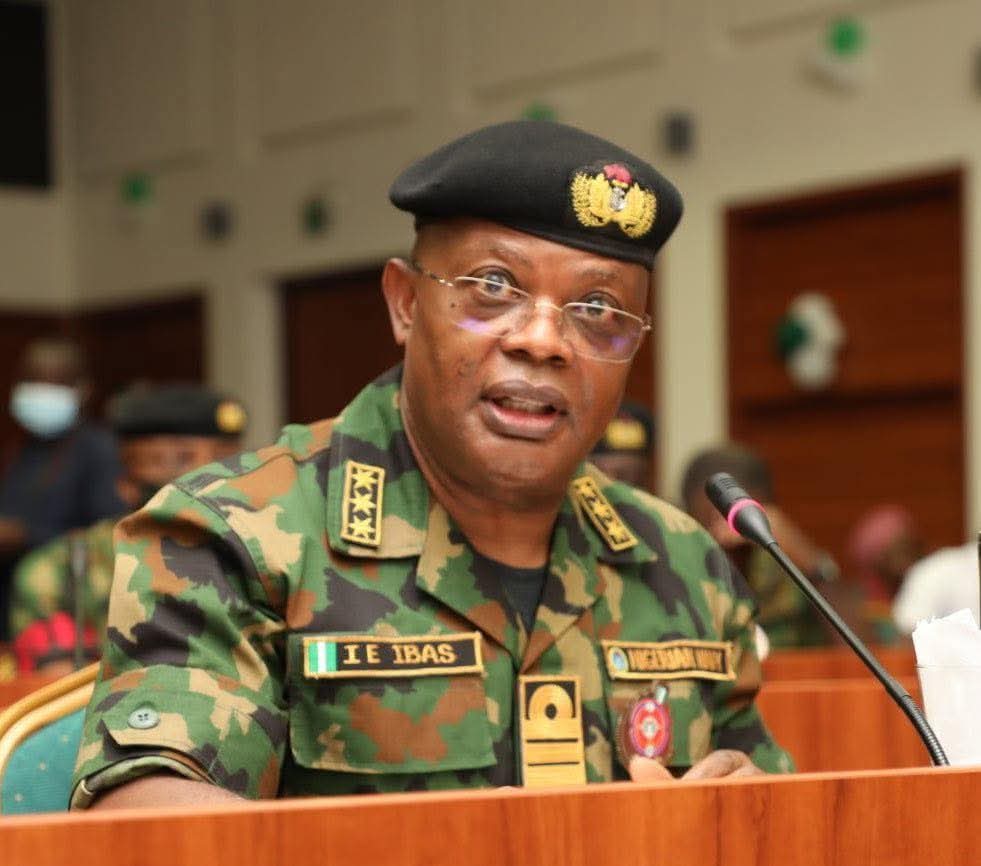

Vice Admiral Ibok-Ete Ibas (retd.), the Sole Administrator of Rivers State, has said that the 2025 proposed budget for the state was crafted with the anticipation of Governor Siminalayi Fubara’s eventual return to office.
Ibas made this disclosure on Wednesday during a budget defence session before the House of Representatives Ad-Hoc Committee on Rivers State Oversight in Abuja.
He stated that the ₦1.48 trillion draft budget incorporates allocations for the governor and other currently suspended political appointees.
“In anticipation of the eventual return to constitutional order, the draft budget prudently retains provisions for the offices and functions of suspended political actors, some of whom have already drawn on allocated resources in the first quarter and are expected to resume their duties at the expiration of the emergency period,” he told lawmakers.
According to him, the budget aligns with the state’s 2017–2027 Development Plan and aims to sustain governance through the emergency period while preparing for a restoration of constitutional rule.
The proposed spending is balanced against projected revenues of ₦1.4 trillion and is focused on driving infrastructure development, human capital growth, and inclusive prosperity.
The administrator also highlighted difficulties encountered during the budget’s preparation, attributing them to a lack of cooperation from some state officials.
“Regrettably, some state officials withheld critical information required to ensure a more complete capture of those expenditures at the time of submission of the budget estimates,” Ibas explained.
Despite these constraints, he affirmed that the administration operated within legal bounds to consolidate available data and ensure legitimacy of the budget, especially for the already executed first-quarter expenditures.
“Recognising the exigencies under the state of emergency and the need to ensure fiscal credibility, the budget framework integrates expenditure information made available before the submission of the budget proposal to ratify the first quarter expenditures in a lawful and transparent structure,” he added.
Key components of the 2025 budget include:
₦324.5 billion for infrastructure and transportation projects
₦55 billion allocated to relocate and expand the Rivers State University Teaching Hospital
₦50 billion for zonal hospital upgrades
₦38.85 billion for shoreline protection and erosion management
₦30 billion toward developing zonal secondary schools
₦5.75 billion for primary school rehabilitation
₦2.5 billion for women’s economic empowerment initiatives
₦3 billion for youth resource centres
₦20 billion to recapitalize the Rivers State Microfinance Bank for SME support
₦117 billion for pensions, gratuities, and employee benefits
During the session, Ibas expressed appreciation for the committee’s role, stating: “We in Rivers State are most grateful for your commitment. Despite your tight schedules, you have shown unwavering resolve to fulfil your constitutional duties.”
In response, the Ad-Hoc Committee Chairman and House Majority Leader, Prof. Julius Ihonvbere, praised the budget presentation, particularly its emphasis on social welfare and transparency.
“I want to especially thank you and let you know that this committee is committed to working with you to restore stability, peace, growth, and development in Rivers State,” Ihonvbere said.
He emphasized that the committee would carefully examine the proposal and ensure accountability across all levels.
“We will invite you to send your relevant officials for a proper defence of the budget. In as much as we are committed to joining hands with you to get Rivers State back on track, we are not going to cut corners,” he warned.
Commending specific social components of the budget, he added: “These are areas that touch people’s lives, and we know the plight of their families. We appreciate you for making these bold commitments.”