
By Benedict C. Kachikwu
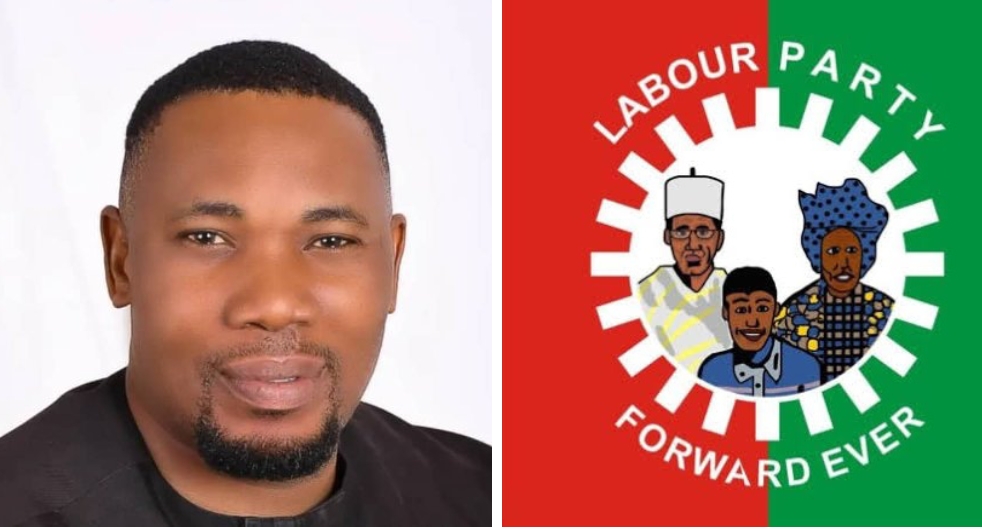
It was June 28, 2024, when the gavel fell inside Enugu South Magistrates’ Court, marking the beginning of an ordeal that continues to haunt not only Bright Ngene, but also the very conscience of Nigeria’s justice system.
He was sentenced to seven years in prison without an option of fine, over allegations of conspiracy and misappropriation in a long-festering community dispute that had been dormant since 2017.
A case once earmarked for alternative dispute resolution suddenly found fresh fuel—coinciding sharply with Ngene’s political rise.
Ngene’s political momentum was unmistakable. On March 18, 2023, he was duly elected as the representative for Enugu South Urban Constituency, securing a decisive 5,865 votes to his opponent’s 2,098.
But just as he prepared to serve, a storm gathered. Legal machinery, once dormant, roared back to life, swift and unyielding. What many now believe to be politically motivated retribution came cloaked in judicial authority.
Courts, which should have upheld fairness, allegedly moved “at supersonic pace,” barring defence witnesses and sidelining key court filings.
His lawyers’ written submissions were ignored, and the presiding magistrate, according to observers, read a pre-typed 25-page judgment, leaving no room for debate or dissent.
The response was immediate and loud. Labour Party officials decried the conviction as a clear “miscarriage of justice,” pointing to a coordinated effort to exclude Ngene from contesting an electoral rerun.
Their petitions flooded the National Judicial Council (NJC), the National Human Rights Commission (NHRC), and INEC, warning that the case symbolized a dangerous erosion of democratic rights.
What made the case even more alarming was the cross-party resonance. APC officials, civil society organizations, and even members of the New PDP joined the chorus of concern, calling the episode a “grave violation of human rights” and a “frightening precedent for Nigerian democracy.”
This wasn’t just a Labour Party problem. It became a national problem.
One Year in Enugu Prison:
Today marks one full year since Bright Ngene was transferred to the Enugu Correctional Centre, now renamed the Maximum Security Prison.
His legal appeals have stalled, largely due to multiple judges recusing themselves without clear explanation, further deepening suspicion that this is no ordinary legal case.
According to reliable sources, Ngene has rejected offers of conditional freedom that would require him to relinquish his electoral mandate. Instead, he remains resolute—a prisoner of conscience in a system that has blurred the line between law and political convenience.
Ngene’s incarceration has ignited a groundswell of resistance. Labour Party loyalists have remained unwavering, organizing solidarity visits, holding town hall meetings, and mobilizing legal support.
During a highly publicized prison visit, the LP caucus reportedly told Ngene: “We are with you. You are not alone.”
Civil society actors have amplified the #JusticeForBrightNgene campaign, uniting lawyers, rights activists, and observers to demand transparency.
The calls for disciplinary action against Magistrate Onwu, who presided over the case, have intensified. So too has the push for INEC to delay the rerun, arguing that no election is valid if its candidates are silenced before the polls.
Even opposition lawmakers in the National Assembly have joined in, warning that if Bright Ngene could be politically imprisoned, any voice of dissent could be next.
This goes beyond one man. This is about the weaponization of judicial processes, a tactic not unfamiliar in Nigeria’s checkered democratic history.
From Ken Saro-Wiwa to Omoyele Sowore, and now Ngene, there is an emerging pattern of silencing reformers under the veneer of legality.
Bright Ngene’s story is not just a tale of injustice; it is a rallying cry for judicial reform, political accountability, and democratic vigilance. One year ago, a man chose incarceration over betrayal of his people, of his principles, of the mandate he was freely given.
One year since the law fell silent while political maneuvering held the pen.
One year since justice was not only denied, but manipulated.
One year since a duly elected voice was muted, not by the people, but by power.
Today, we remember him, not in despair, but in renewed defiance. We remember his courage. We remember his choice to suffer rather than surrender.
And we remember what’s at stake: that until Bright Ngene is free, democracy in Enugu, and in Nigeria, is incomplete.
May this remembrance be a call to action:
– Restore his rights.
– Reclaim judicial independence.
– Reignite democratic hope.
For only when Bright Ngene walks free will the community’s voice echo once more through the halls of democracy.