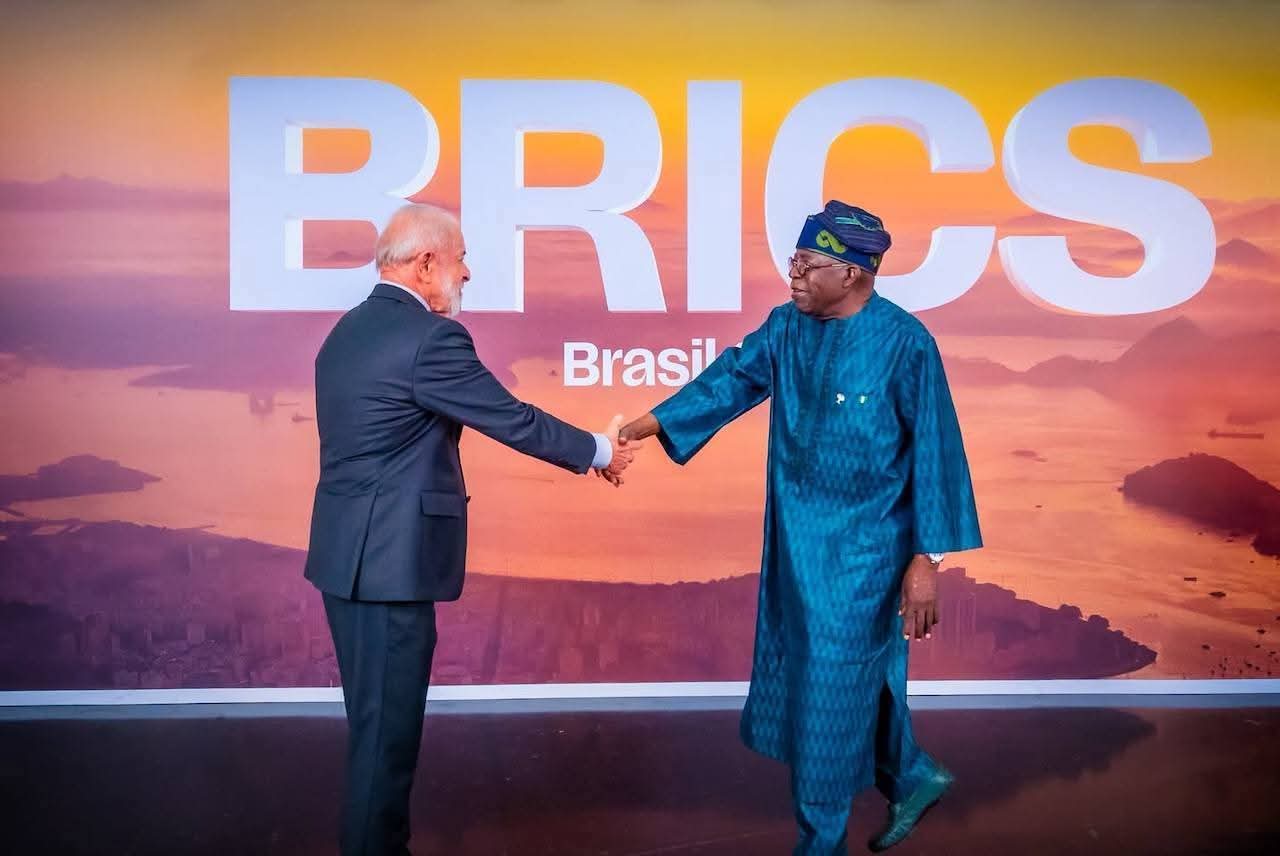

Leaders of the BRICS bloc issued a joint rebuke on Sunday against the United States’ aggressive trade policies and recent military actions in Iran, in a summit that underscored growing friction between emerging powers and the administration of President Donald Trump.
The 11-nation coalition including Brazil, Russia, India, China, and South Africa criticized what it called the “unilateral and indiscriminate” use of trade tariffs, warning that such measures could destabilize the global economy.
Without directly naming the U.S president, the summit’s final communiqué voiced “serious concern about the rise of unilateral tariff actions,” describing them as a threat to multilateral cooperation and global trade.
President Trump swiftly responded via his Truth Social platform, warning:
“Any country aligning themselves with the anti-American policies of BRICS will be charged an ADDITIONAL 10% Tariff. There will be no exceptions to this policy.”
The remarks followed weeks of escalating tension, with Trump already threatening new import duties on allies and rivals if trade “deals” aren’t finalized by August 1.
In a rare show of unity, BRICS leaders also extended symbolic support to Iran, a new member since 2023, condemning recent U.S-Israeli military strikes on Iranian nuclear and military targets.
The bloc’s statement called for restraint and diplomacy, reinforcing its opposition to “violations of international sovereignty and the use of force without UN approval.”
While the declaration did not name the U.S. or Israel, the message was clear and significant given the political diversity within BRICS. Iran expressed “reservations” but ultimately endorsed the statement, Brazilian officials said.
The summit also called for an immediate ceasefire in Gaza and the withdrawal of Israeli forces, a position welcomed by Hamas, which urged BRICS to increase pressure on Israel to end the siege on Gaza’s population.
However, internal divisions remained evident. Saudi Arabia, another recent BRICS entrant and a close U.S ally, did not attend Sunday’s session.
Diplomatic sources cited discomfort with the bloc’s stance on Israel and Iran.
Adding to the weakened optics of this year’s gathering were the absences of Chinese President Xi Jinping and Russian President Vladimir Putin. Xi missed the summit for the first time in 12 years, while Putin wanted internationally over the Ukraine conflict participated remotely via video.
Despite these setbacks, Putin told the group that BRICS had emerged as a “central pillar” in global governance.
The summit also touched on the rise of artificial intelligence, calling for fair global regulations to prevent monopolization by wealthy nations.
The statement emphasized that AI development should benefit all countries, not just those with advanced tech industries.
The commercial AI space is currently dominated by U.S firms, though China and other BRICS members are fast advancing their capabilities.