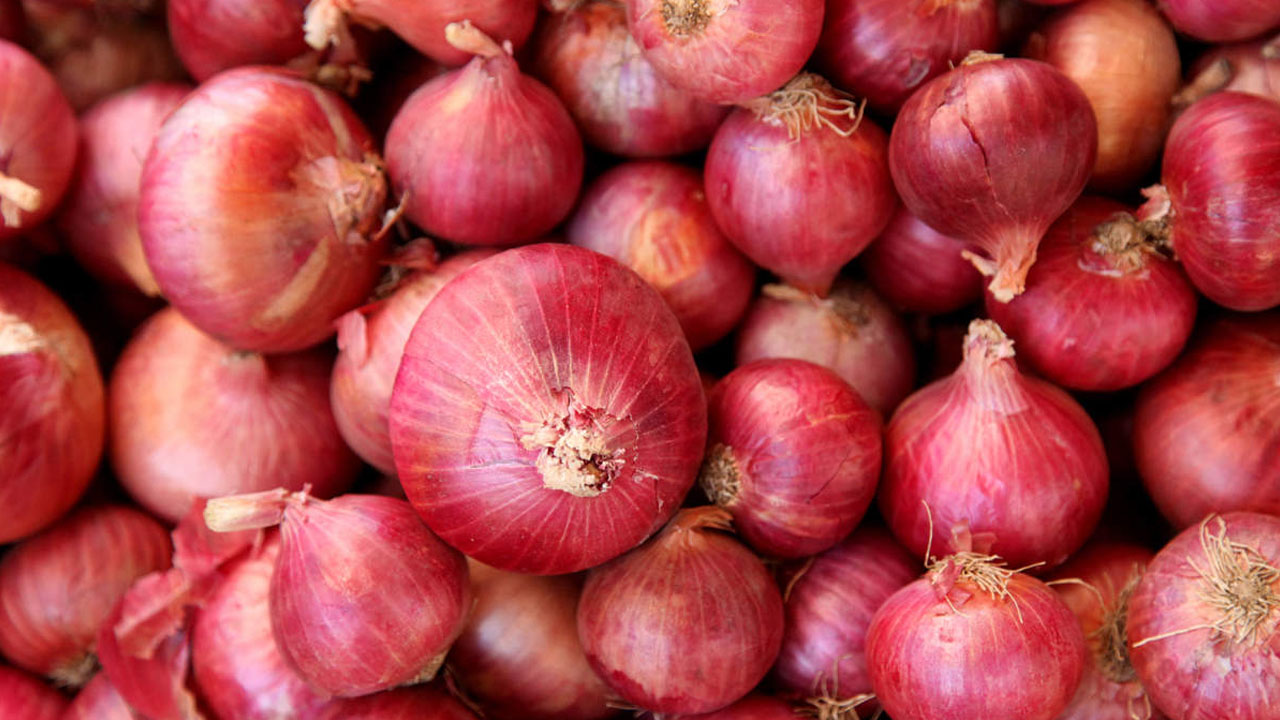

Nigerian consumers, especially households, food vendors, and caterers, may soon experience relief from the rising cost of onions, as large consignments from Niger Republic begin entering markets across the country.
Onions, essential in kitchens for their flavor, versatility, and health benefits such as antioxidant and anti-inflammatory properties, have seen a steep price hike in recent months.
Since March 2025, prices spiked by as much as 44% in Lagos and other major cities. A big bag that once cost ₦18,000 surged to ₦26,000, while the smaller variant climbed from ₦13,000 to ₦19,000.
Several factors were blamed for this increase, including seasonal changes, insecurity, rising input costs, and post-harvest losses.
A major contributor, however, was the decision by the Onion Producers and Marketers Association of Nigeria (OPMAN) to temporarily halt supply to the southern parts of the country, triggering scarcity and driving up prices.
Now, that trend may soon reverse. Information gathered from border regions indicates that truckloads of onions from Maradi and Zinder—two prominent agricultural zones in Niger Republic, are entering Nigeria through border towns such as Illela (Sokoto State), Jibiya, and Mai’adua (Katsina State).
From these points, local traders, commonly referred to as mallams, are transporting the onions to major markets in the south, including Mile 12 in Lagos, Onitsha in Anambra State, and Port Harcourt in Rivers State.
These imported onions, sources say, are often better preserved, well-dried, and visually appealing, traits that make them more desirable than the average Nigerian onions, which tend to suffer from poor post-harvest handling, particularly in dry seasons.
Confirming this trend, Lagos-based onion trader Yusuf Garba said:
“Last week, onions were too expensive. Now that these ones from Niger Republic have arrived, prices are beginning to come down.”
Garba also highlighted that the country typically faces such price spikes annually due to inadequate domestic supply.
> “Now that these ones from Niger Republic have arrived, prices are beginning to come down,” he reiterated.
While many in the agriculture and trade sectors welcome the renewed influx from Niger Republic as a stabilizing factor, others have voiced concerns about over-reliance on foreign sources. Stakeholders argue that Nigeria must improve its onion storage and drying techniques to ensure better self-sufficiency.
Another trader, Jubril Jega, noted that this year’s supply has been relatively smooth despite security challenges and occasional border issues.
> “For now, onions from Niger Republic will keep Nigeria’s kitchens busy and help families save money at the market,” he said.
“This year’s supply has been smoother as a result of good weather and cooperation between communities on both sides of the border.”
As truckloads continue to arrive, Nigerian markets are expected to see increased availability and a drop in onion prices, offering much-needed relief to traders and consumers alike.