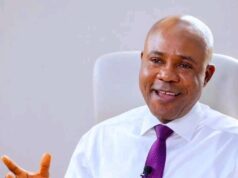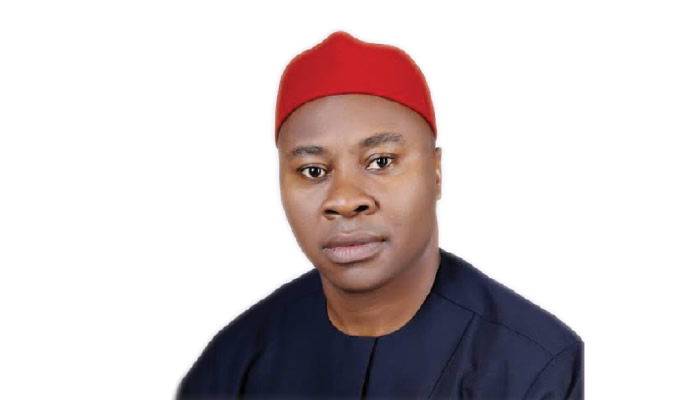

A former All Progressives Congress (APC) governorship aspirant in Abia State, Paul Ikonne has criticised Governor Alex Otti for imposing what he described as “harsh and anti-trader” tax policies on business owners in Aba.
In a statement released on Wednesday by his Chief Press Secretary, Dr. Ujo Justice, Ikonne accused the governor of reneging on his campaign promise of easing the tax burden on traders.
He cited the case of Ariaria International Market, where annual shop levies have reportedly doubled from ₦18,000 to over ₦36,000.
With more than 88,000 shops in the market, this figure translates to roughly ₦3.1 billion annually, Ikonne said.
“This same pattern is being repeated at Ekeoha Shopping Centre, Timber Market, and other commercial hubs across Aba. It’s nothing short of economic strangulation,” he stated.
Ikonne also raised alarm over the alleged lack of transparency in the state’s spending, demanding a full disclosure of the ₦54 billion purportedly spent on renovating 51 schools, and another ₦7 billion allocated for recreational centres.
“Governor Otti should fear God and name the 51 schools he claims were renovated with ₦54 billion,” he challenged.
The APC chieftain further called on the governor to respect the Memorandum of Understanding signed by the previous administration with traders, which allowed shop owners to reclaim their shops after remodelling.
Instead, he alleged, traders are now being asked to pay as much as ₦15 million to re-acquire their spaces, a move he described as exploitative and anti-business.
He argued that with monthly federal allocations reportedly exceeding ₦30 billion, alongside local government revenues, the state has the financial muscle to develop modern markets with essential amenities without overburdening small business owners.
“There’s no excuse for squeezing Aba traders dry. This tax regime contradicts President Tinubu’s Renewed Hope Agenda and punishes the very engine of Abia’s economy,” Ikonne said.
He added that no government should be celebrated for inflicting economic pain on its citizens, especially the traders who drive local growth.