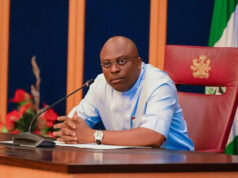

Former Minister of Interior and ex-Governor of Osun State, Rauf Aregbesola, has called for a comprehensive overhaul of Nigeria’s electoral system, particularly the structure and leadership of the Independent National Electoral Commission (INEC).
Speaking at a panel session titled “Innovation in Electoral Technology 2015–2025”, organized by the Electoral Institute for Sustainable Democracy in Africa, Aregbesola warned that Nigeria’s electoral body currently vests too much power in one individual, allowing room for political manipulation.
“The process for appointing those who manage our elections must change,” Aregbesola said.
“As long as that authority rests in one person, there will be no meaningful reform.”
Referencing Soviet leader Joseph Stalin, he added: “Voters matter less than the person who announces the results.”
Aregbesola criticized the centralization of power in the presidency, particularly regarding the appointment of the INEC chairman, noting that such a process undermines electoral neutrality.
“If the main beneficiary of a rigged process is the one nominating the electoral umpire, then the outcome is already prearranged,” he argued.
He proposed that political parties with at least five seats in the National Assembly should have the collective responsibility to nominate INEC leadership, ensuring greater inclusivity, neutrality and public trust.
Admitting that he had previously benefited from Nigeria’s flawed electoral system, Aregbesola emphasized the need for long-overdue structural reform to restore the credibility of elections.
The former governor also urged INEC to strictly comply with the 2022 Electoral Act, especially regarding the transparent deployment of voting technologies.
He stressed the importance of public demonstrations of tools like the Bimodal Voter Accreditation System (BVAS) and the INEC Result Viewing Portal (IReV) ahead of elections.
“Don’t just tell us BVAS will be used, show us. Let the public see it in action. Surprise technical failures on election day undermine confidence,” he cautioned.
He further demanded real-time result transmission and publication, citing countries like India, Brazil and Venezuela as examples of best practices that Nigeria should emulate.
Aregbesola also raised concerns about voter register credibility, pointing to the gap between the 93 million registered voters and the roughly 30 million who participated in recent elections.
He proposed that the INEC voter database be synchronized with the National Identity Management Commission (NIMC) records to eliminate multiple registrations and inflated figures.
To strengthen electoral transparency, he called for party agents and independent observers to be granted closer access to accreditation and result collation processes.
Aregbesola concluded by underscoring that democracy cannot thrive without public trust in the electoral process.
“Without real reforms, we’ll continue recycling flawed elections and disputed outcomes,” he warned.