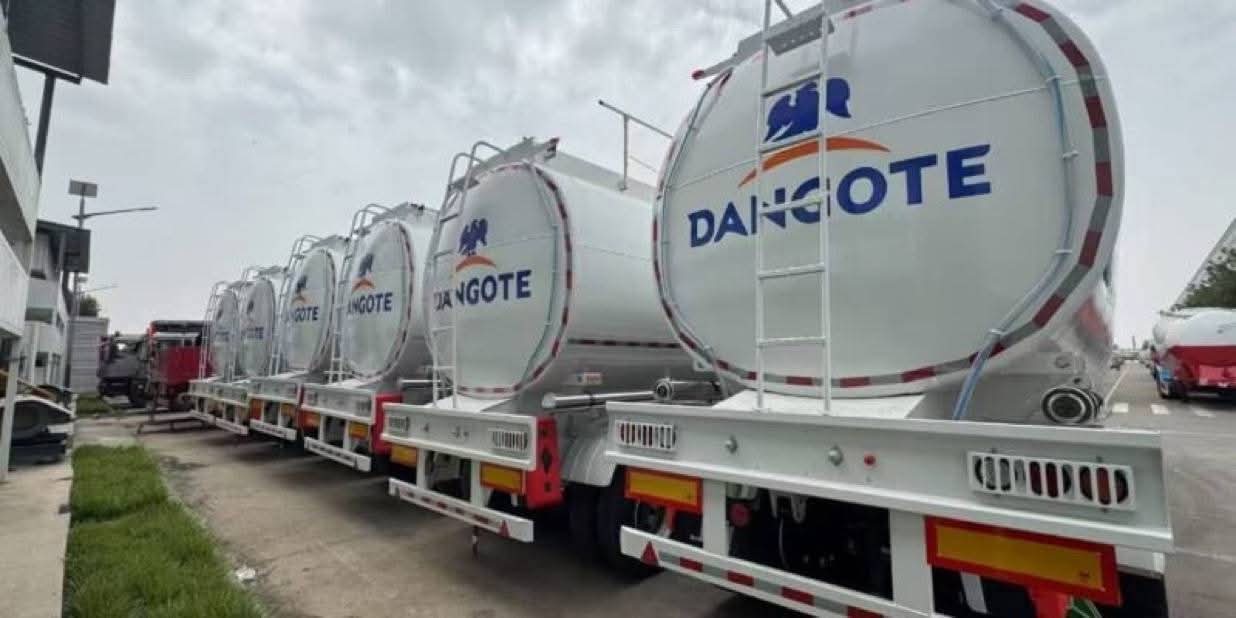

A coalition of notable Nigerians, including Bishop Matthew Kukah and Ibrahim Dahiru Waziri, has stepped into the escalating dispute between Dangote Refinery and the Petroleum and Natural Gas Senior Staff Association of Nigeria (PENGASSAN).
In a joint statement released Tuesday, the group underscored the importance of respecting workers’ rights while warning that industrial action must not undermine Nigeria’s economic progress or investor confidence.
The crisis hit national headlines after the Group CEO of the Nigerian National Petroleum Company Limited (NNPCL), Bayo Ojulari, pointed to it as a key cause of cooking gas scarcity and steep price hikes across the country.
“Although the immediate crisis has been de-escalated through government mediation and renewed dialogue between labour and management, the episode raises important lessons for Nigeria’s economic future,” the statement read.
The signatories, including human rights activists, economists, and business leaders like Aisha Yesufu, Arunma Oteh, and Atedo Peterside, acknowledged that Dangote’s refinery is more than a private enterprise: it’s a national symbol of domestic production and an alternative to costly fuel imports.
“Already, the refinery has begun to ease supply pressures, with fuel prices falling in some parts of the country from ₦1,500 per litre to about ₦820, a 55% reduction,” they noted.
“Such progress underscores how local productivity can reshape daily life for Nigerians.”
At the same time, they cautioned that labor unrest, if left unchecked, could scare away investors just as opportunity is emerging.
“Workers’ rights must be protected, but productive enterprises that help lower costs and create jobs must also be safeguarded,” the group insisted.
The statement also addressed concerns of monopoly, calling for strikes not to be the default tool for resolving pricing or market dominance disputes.
“If there are legitimate pricing or dominance issues, let statutory bodies such as the Federal Competition and Consumer Protection Commission (FCCPC) handle them, not strikes that hurt ordinary Nigerians.”
They commended both the federal government and Dangote Refinery for stepping back from confrontation and returning to dialogue, urging that this model of constructive resolution become Nigeria’s standard.
“This dispute isn’t just about one refinery or one business. It’s about the direction of our economy, whether Nigeria continues in cycles of scarcity and rent‑seeking or builds its future on fairness, productivity, and shared prosperity,” the statement concluded.
According to Ojulari, the refinery–PENGASSAN crisis resulted in a loss of 200,000 barrels per day in crude oil production.