Home Blog Page 188

US Senate Moves Bill Targeting Nigerian Governors, Judges, Security Chiefs Over Religious Persecution
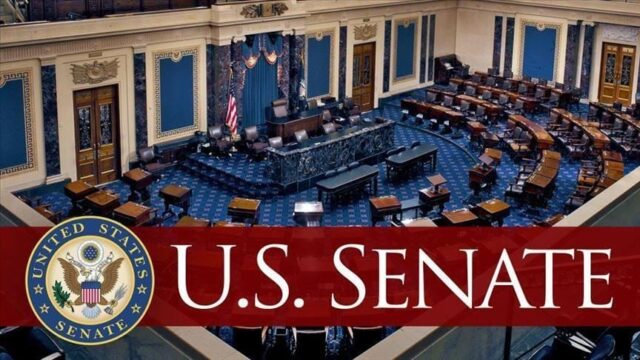
 

A new bill moving through the United States Congress has placed Nigeria under fresh international scrutiny, proposing sweeping sanctions on political officeholders, judges, and security officials accused of enabling or ignoring religious persecution.

The proposed legislation, sponsored by Republican Senator Ted Cruz, is titled the “Nigeria Religious Freedom Accountability Act of 2025.”

It recently scaled its second reading in the U.S. Senate and has now been referred to the Senate Committee on Foreign Relations for further consideration.

If passed, analysts say it could become one of the toughest U.S. policy actions toward Nigeria in decades.

The new measure follows House Resolution 594, already endorsed by 18 members of the U.S. House Committee on Foreign Affairs.

It draws heavily from reports by international watchdogs, including the Open Doors World Watch List 2025, which states that Nigeria accounted for 82 percent of the 4,998 Christians killed globally in 2023.

Additional references in the bill cite findings from Vatican News and Genocide Watch, which estimate that between 2009 and 2023, at least 52,000 Christians and 34,000 moderate Muslims were killed in Nigeria, with over five million people displaced by religiously motivated violence.

Senator Cruz described religious persecution in Nigeria as “endemic,” blaming it partly on extremist ideologies and the institutionalisation of Sharia-based legal systems in several northern states.

“Religious violence against Christians and other minorities is systemic and deeply rooted,” Cruz said.

“Congress must act decisively to hold perpetrators and enablers accountable.”

He urged lawmakers to move the bill “expeditiously,” warning that continued inaction would embolden those behind religious killings.

A key provision of the bill directs the U.S. Secretary of State to designate Nigeria as a “Country of Particular Concern (CPC)” under the International Religious Freedom Act, a label reserved for nations that engage in or tolerate severe violations of religious liberty.

Once designated, the CPC status would automatically trigger mandatory sanctions, including: Suspension of U.S. military cooperation and arms sales, Restrictions on economic assistance and security training and Annual public reporting on officials, judges, and security agents linked to religious persecution.

The first list of sanctioned individuals is expected within 90 days of passage, with updates to follow annually.

The draft legislation explicitly mentions 12 northern Nigerian states; Bauchi, Borno, Gombe, Jigawa, Kaduna, Kano, Katsina, Kebbi, Niger, Sokoto, Yobe, and Zamfara, for enforcing blasphemy laws that it says violate international human rights standards.

The bill demands that Nigeria Amend or repeal laws criminalising blasphemy, Prosecute those involved in religious killings and Dismantle extremist networks or risk indefinite sanctions.

The proposed penalties are described as unprecedented in scope.

If enacted, the law would empower Washington to impose visa bans, asset freezes, and criminal restrictions on:

  • Governors of states where religious killings occur
  • Judges handling blasphemy-related prosecutions
  • Police, prison, and security officers enforcing religious laws

It specifically targets anyone who “prosecutes, convicts, imprisons, or deprives individuals of liberty on blasphemy charges.”

The bill follows testimony from Nigerian religious leaders and human rights advocates at a U.S House Subcommittee on Africa hearing, where witnesses described widespread attacks in Plateau, Benue, and Southern Kaduna as “nightly sieges” on local communities.

While the U.S. characterises such incidents as terrorism, Nigerian authorities have often referred to the perpetrators as “bandits.”

Meanwhile, China, one of Nigeria’s major strategic partners, has criticised the proposed law. Chinese Foreign Ministry spokesperson Mao Ning said:

“As Nigeria’s strategic partner, China firmly opposes any country using religion or human rights as a pretext to interfere in another nation’s internal affairs.”

Analysts view the exchange as part of a broader geopolitical competition between Washington and Beijing for influence in Africa.

If enacted, the legislation could:

  • Restrict U.S. military and security cooperation with Nigeria
  • Limit access to defence and development programmes
  • Trigger visa bans on senior officials
  • Strain diplomatic relations between Abuja and Washington

Nigeria would only be removed from the CPC list after verifiable progress in:

  • Reducing religious killings
  • Reforming blasphemy laws
  • Prosecuting offenders transparently

For the bill to become law, it must:

  1. Pass through the Senate Foreign Relations Committee
  2. Gain full Senate approval
  3. Be harmonised with a similar House bill
  4. Receive the President’s signature

With Republicans currently holding 52 Senate seats and a majority in the House, observers believe the bill has a strong chance of passage, potentially reshaping U.S.-Nigeria relations for years to come.

Google search engine

Stop Celebrating GDP Growth That Fails Citizens, Osinbajo Warns African Leaders


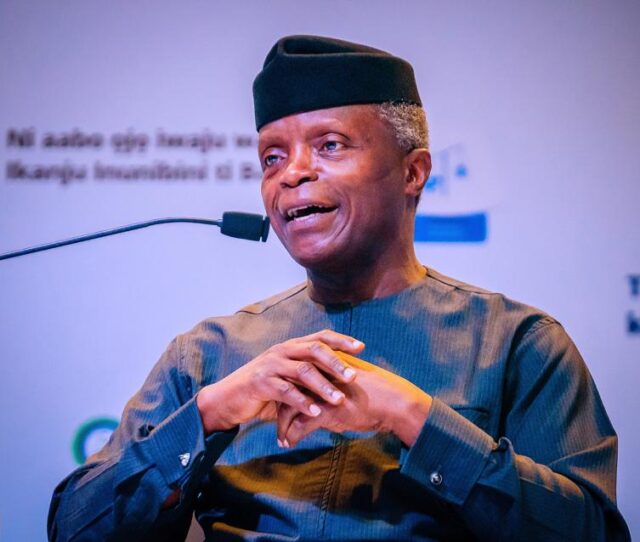
Former Vice President Yemi Osinbajo has cautioned African governments against celebrating Gross Domestic Product (GDP) growth figures that fail to translate into tangible improvements in citizens’ welfare.

Speaking at the 65th anniversary of the Ford Foundation in West Africa, held in Abuja, Osinbajo described much of Africa’s economic growth as “statistical progress without social impact.”

He noted that despite the continent’s impressive GDP numbers, millions of Africans continue to grapple with weak healthcare systems, poor education, unemployment, and poverty.

“Africa has for years recorded some of the world’s fastest GDP growth rates,” Osinbajo said.

“Yet, we remain the continent with the lowest overall quality of life, from health to education, infrastructure, and economic stability. GDP growth does not mean development. It does not automatically create jobs or provide a decent life.”

The former vice president reflected on his experience as chair of Nigeria’s economic management team between 2016 and 2019, saying it was “deeply frustrating” to see the gap between government rhetoric and the everyday realities of citizens.

“People would ask, ‘Which growth are you talking about? I can’t pay my child’s school fees or hospital bills.’ It became clear that the more government celebrated GDP figures, the more alienated citizens felt,” he said.

Osinbajo urged policymakers to reimagine economic growth through social justice and inclusion, stressing that fair access to opportunities, resources, and protections must be the foundation of every development strategy.

He called for an end to “trickle-down” policies, advocating instead for bottom-up investments that prioritise rural communities, women, youth, and informal workers who sustain the continent’s economy.

Citing success stories from other nations, Osinbajo pointed to Bangladesh’s education reforms, Rwanda’s gender inclusion policies, and the Lagos judicial reforms of 1999, which saw women judges elevated and corruption decline, as examples of how inclusivity drives national productivity.

He also described corruption as “the most severe form of social injustice,” arguing that it deprives citizens of public services and undermines development.

“Until corruption is treated as an assault on social justice, Africa will continue to measure progress in numbers that do not change lives,” he warned.

Minister of Budget and National Planning, Senator Abubakar Bagudu, lauded the Ford Foundation for its decades-long commitment to human development and inclusion in West Africa.

Dr. ChiChi Aniagolu, the Foundation’s Regional Director for West Africa, recalled that Ford began operations in Lagos in 1960 and has since supported initiatives on education, human rights, gender equality, cultural expression, and environmental justice across Nigeria, Ghana, and Senegal.

She reaffirmed the organisation’s dedication to local ownership and accountability, rather than externally imposed solutions.

Martín Abregu, the Foundation’s Senior Vice President, added that since its establishment over 80 years ago in the United States, the Ford Foundation’s mission has evolved into a global effort to advance equity and social justice.

Google search engine

Anambra Gov’ship: Anxiety Over Heavy Security Presence, Vote Buying, Insecurity


As political parties intensify efforts to win voters ahead of Saturday’s governorship election in Anambra State, anxiety is growing over the perceived militarisation of the electoral process, vote buying, and insecurity that could affect voter turnout.

No fewer than 60,000 security personnel from the Police, Civil Defence, Army, Navy, and Air Force have been deployed to man the 5,720 polling units across the state, where 16 governorship candidates will contest for the top seat before 2.8 million registered voters.

Confirming the development, the Commissioner of Police in charge of the election, Abayomi Shogunle, disclosed that the Police alone have deployed 45,000 officers to ensure safety of lives and property during the exercise.

According to him, a Tactical Force Team from the Force Headquarters has also been stationed in the state, supported by helicopters and drones for aerial surveillance.

The air operations, he said, would complement land patrols and intelligence-led policing efforts across the 21 local government areas.

However, security deployment plans took a new twist after the Police barred the state-owned security outfit, Agunechemba, from taking part in the election, following warnings from opposition parties that their involvement could compromise neutrality.

Meanwhile, former Secretary to the Anambra State Government (SSG), Mr. Oseloka Obaze, has endorsed John Chuma Nwosu, the candidate of the African Democratic Congress (ADC), ahead of Saturday’s poll.

Obaze, a former United Nations official, said his support was inspired by Nwosu’s vision and commitment to reform, stressing that Anambra needed “a new direction and leadership that understands governance beyond rhetoric.”

He said: “Anambra is at a crossroads. I do not criticise public officials for the sake of it, I’ve worked at federal, international, and state levels, so I understand the challenges of governance. But it is hypocritical for elites who privately condemn this administration to publicly endorse it.”

Lamenting the state of insecurity, Obaze questioned why “those who fear visiting their home state now support the continuity of a government that cannot guarantee their safety.”

He added that of all the contestants, Nwosu “represents the best opportunity for the people of Anambra to reclaim responsible governance.”

Obaze urged the Independent National Electoral Commission (INEC) to ensure a free, fair, and credible poll, warning that public confidence in democracy depended on transparency at every stage of the process.

Google search engine

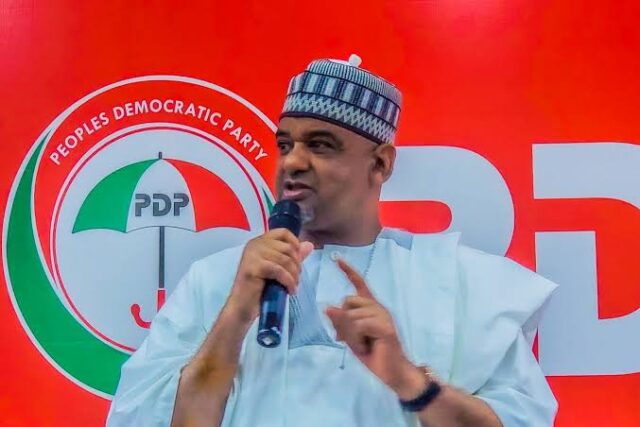
Damagum Remains Our National Chairman, Says PDP


The Peoples Democratic Party (PDP) has reaffirmed Ambassador Umar Iliya Damagum as its National Chairman, following an emergency meeting of its Board of Trustees (BoT) held on Wednesday in Abuja.

In a communiqué issued after the meeting, the BoT restated its confidence in the Damagum-led National Working Committee (NWC) and commended its efforts in maintaining stability within the party.

“The Board of Trustees (BoT), at its meeting today, extensively considered recent developments in the party and resolved as follows: the BoT reaffirms that the PDP remains a united, formidable, and focused political party under the leadership of the Amb. Iliya Damagum-led National Working Committee (NWC),” the statement read.

The BoT also lauded the PDP Governors’ Forum, the National Convention Organizing Committee, and other critical organs of the party for their “collective roles in stabilising the PDP,” especially as preparations intensify for the Elective National Convention scheduled for November 15–16, 2025, in Ibadan, Oyo State.


BoT Welcomes Court Ruling

The board expressed satisfaction with the recent judgment of the Oyo State High Court, presided over by Justice A.L. Akintola, which affirmed the PDP’s constitutional right to organise its internal affairs — including holding its convention as planned.

“This landmark ruling is a victory for democracy, the rule of law, and political development in our country,” the party declared.


Concern Over Party Tensions

Despite reaffirming unity, the BoT voiced concern over ongoing tensions within the party, describing recent incidents — including the invasion of the PDP national secretariat — as “regrettable” and uncharacteristic of the party’s values.

“As the conscience of the party, the BoT cannot and will not take sides. Our focus is to safeguard the integrity of the PDP and promote dialogue over discord,” the statement added.

The board emphasized that reconciliation efforts should be viewed “not as a sign of weakness, but as an expression of maturity and responsibility.”


Reconciliation Committee Inaugurated

To restore unity ahead of the Ibadan convention, the BoT announced the formation of a High-Powered Reconciliation Committee tasked with resolving all internal disputes.

The committee members are; Amb. Hassan Adamu (North East) – Chairman, Chief Mike Oghiadomhe (South South) – Secretary, Chief Ugochukwu Okeke (South East), Sen. Zaynab Kure (North Central), Prince Olagunsoye Oyinlola (South West) and Dr. Lubna Mohammed Gusau (North West).

The BoT, chaired by Senator Adolphus Wabara, directed the committee to submit its report by Tuesday, November 11, 2025, for further consideration.

Google search engine

Senate Probe Uncovers $300bn Crude Oil Losses In Niger Delta


Nigeria may have lost more than $300 billion in crude oil revenue over the years to theft, leakages, and entrenched corruption, according to an interim report of the Senate Ad-Hoc Committee on Oil Theft in the Niger Delta.

The report, presented on Wednesday by Senator Ned Nwoko (Delta North), exposed massive irregularities in the nation’s oil and gas industry, including poor oversight, weak measurement systems, and unrecorded crude exports that have cost the country hundreds of billions of dollars.

“The findings so far expose systemic irregularities and inefficiencies that have robbed the country of enormous wealth,” Nwoko told lawmakers while submitting the 40-page report.

According to the committee, consultant data revealed revenue shortfalls of $81 billion between 2016 and 2017, and over $200 billion in unremitted or untracked oil proceeds since 2015.

Lawmakers described the revelations as “disturbing” and “eye-opening,” though debate ensued over the committee’s recommendation to “track, trace, and recover” stolen crude oil and its proceeds.

While commending the committee’s work, Senator Abdul Ningi (Bauchi Central) cautioned against the Senate exceeding its constitutional boundaries.

“We can track and trace, but recovery is beyond the powers of the Senate. That function belongs to the EFCC or ICPC,” he said.

Senator Solomon Adeola (Ogun West), Chairman of Appropriations, agreed, saying the legislature’s role should focus on oversight and documentation.

“The committee should provide names, figures, and locations, but recovery is an executive responsibility,” he maintained.

Similarly, Senator Ibrahim Dankwambo (Gombe North), former Accountant-General of the Federation, called for a comprehensive forensic audit, well-by-well and rig-by-rig, to uncover the full scale of complicity among oil firms, individuals, and operators of illegal refineries.

“This is not a simple theft problem; it is a complex network of collusion and concealment,” he said.

To stem the losses, the committee proposed several urgent measures, including:

  • Full enforcement of international crude measurement standards by the Nigerian Upstream Petroleum Regulatory Commission (NUPRC);
  • Deployment of unmanned aerial vehicles (UAVs) and advanced surveillance technologies to monitor pipelines and coastal facilities;
  • Establishment of a Maritime Trust Fund to enhance maritime security;
  • Creation of special courts for swift prosecution of oil theft cases; and
  • Enforcement of the Host Communities Development Trust Fund under the Petroleum Industry Act (PIA).

It also urged that abandoned oil wells be reassigned to the NUPRC for proper utilisation to prevent further losses.

Presiding over the session, Senate President Godswill Akpabio praised Senator Nwoko and his committee for what he described as a “thorough and courageous investigation.”

However, Akpabio supported the call for legislative restraint, emphasizing that recovery of stolen assets lies with the executive.

“Our duty is to track and trace. Recovery lies with government agencies. Nonetheless, this $300 billion revelation is staggering and demands urgent reform,” Akpabio said.

The Senate subsequently adopted the interim report and directed the ad-hoc committee to continue its investigation and submit a comprehensive final report with actionable steps to end crude oil theft and close revenue leakages.

Google search engine

Anambra Gov’ship: INEC Begins Distribution Of Sensitive Materials As Police Deploy 55,000 Officers Ahead Of Nov. 8


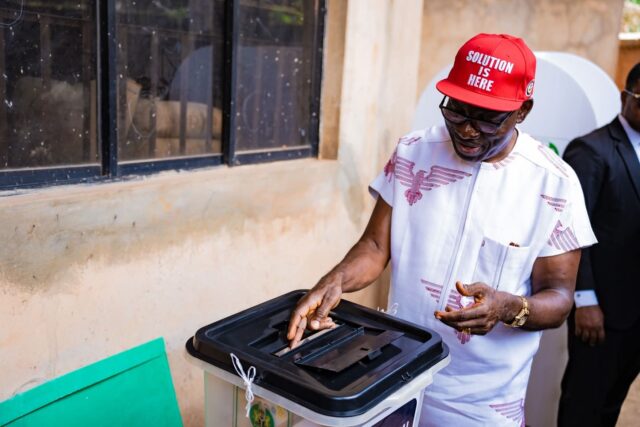
The Independent National Electoral Commission (INEC) has commenced the distribution of sensitive materials ahead of the Anambra State Governorship Election scheduled for Saturday, November 8, 2025.

The Resident Electoral Commissioner (REC) for Anambra State, Dr. Queen Elizabeth Agwu, led the process on Thursday, overseeing the dispatch of materials to various local government areas (LGAs) in preparation for the poll.

Dr. Agwu explained that the movement and distribution of the sensitive items began at 9 a.m., covering all Registration Area Centres (RACs) across the state.

She listed the key materials as the Bimodal Voter Accreditation System (BVAS) devices, Forms EC8A, and Forms EC8B.

According to her, the exercise was jointly supervised by party agents and security personnel to ensure transparency and credibility.

“We have been at the CBN since 9 a.m., and everything has gone smoothly without any complaints. This demonstrates our readiness and commitment to delivering a credible election,” she said.

The REC urged residents to turn out in large numbers to exercise their civic duty, dismissing fears that their votes might not count or that results had already been predetermined.

“People should come out and vote; participate in the process. Do not stay home thinking your vote will not count or that your candidate has already won. INEC is fully prepared for this election and is assuring the people of Anambra State of a credible and peaceful exercise,” Dr. Agwu stated.

She reaffirmed that INEC, in collaboration with political parties, security agencies, and civil society groups, had put comprehensive measures in place to guarantee a free, fair, and transparent election.

Meanwhile, the Commissioner of Police in charge of the Anambra election, Abayomi Shogunle, has confirmed an increase in security deployment from 45,000 to 55,000 personnel to ensure safety across the state.

He said each polling unit would now have at least three security officers, drawn from the Nigeria Police Force, Department of State Services (DSS), Nigeria Immigration Service, NDLEA, and other sister agencies.

“The increase in security personnel is not to intimidate voters but to ensure effective operations and safety at every polling unit. We want to guarantee voters’ confidence in coming out to cast their ballots without fear,” Shogunle explained.

The police chief added that the expanded deployment was designed to secure voters, electoral officials, and materials, assuring that the exercise would be peaceful and devoid of harassment.

“We assure the people of Anambra that the election will be free, fair, and transparent. Our collective aim is to ensure the safety of all stakeholders involved,” he said.

Google search engine

Tinubu Bans Sale Of FAAN Assets As FEC Approves New Aviation Security And Safety Projects


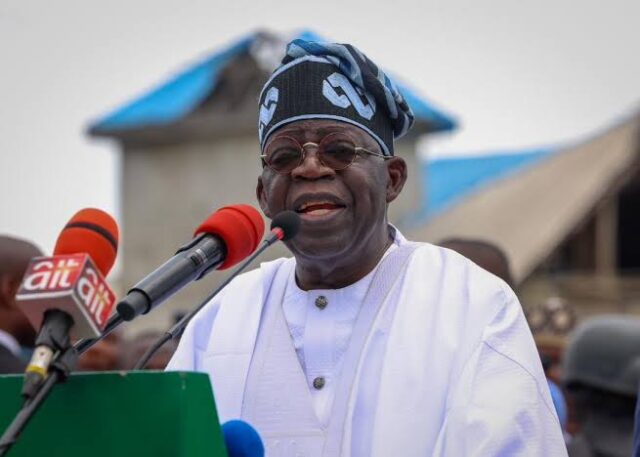
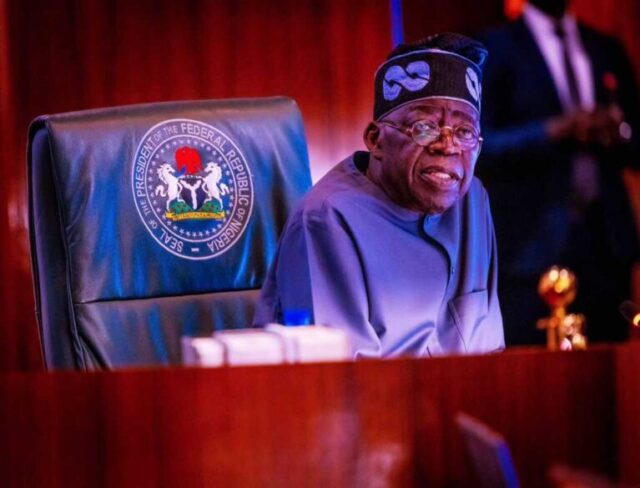
President Bola Tinubu has issued a firm directive prohibiting the sale or transfer of any properties belonging to the Federal Airports Authority of Nigeria (FAAN), particularly those situated within or around airport premises across the country.

The announcement was made on Thursday by the Minister of Aviation and Aerospace Development, Festus Keyamo, while briefing State House correspondents after the Federal Executive Council (FEC) meeting in Abuja.

Keyamo explained that the President’s order overrides any past attempts by previous administrations to sell or liquidate FAAN assets, emphasizing that such properties are strategic national assets critical to aviation operations and public safety.

“These properties will not be handed over to private entities. If anyone thinks they’ve acquired one, they should reconsider,” the minister warned.

He further noted that certain facilities within airports, such as staff housing for firefighters and air traffic controllers, must remain public property to ensure quick emergency responses and operational efficiency.

At the same FEC meeting, eight key initiatives aimed at improving safety, technology, and efficiency within Nigeria’s aviation industry received approval.

Among the projects endorsed were the procurement and maintenance of Aeronautical Information Management (AIM) systems for the five major international airports, Abuja, Lagos, Kano, Port Harcourt, and Enugu.

The Council also approved the deployment of Terrestrial Trunked Radio (TETRA) infrastructure nationwide, alongside 14 new Very High Frequency (VHF) remote communication units for the Nigerian Airspace Management Agency (NAMA) to strengthen air navigation and communication reliability.

To comply with International Civil Aviation Organisation (ICAO) standards, FEC further approved the purchase of 15 specialised airport rescue and firefighting trucks for deployment across Nigeria’s major airports.

Keyamo also announced that NAMA will soon relocate to a purpose-built headquarters in Abuja, ending its current lease of private office space, which he said posed security and operational risks for sensitive command functions.

The FEC also endorsed an economic viability study for the planned privatisation of Port Harcourt International Airport’s operations, as part of the administration’s efforts to attract private investment into the sector.

According to Keyamo, investor interest has surged under the current leadership:

“Before our tenure, interest was nonexistent. Today, more than six firms are vying for the opportunity,” he said, assuring that the process will not result in staff layoffs.

The Council approved the rollout of biometric passenger verification systems integrated with National Identification Numbers (NIN) at all airports. The initiative aims to reduce identity fraud and enhance security.

“Far too many passengers use bogus IDs. This technology will verify identities in real time,” the minister explained.

Additionally, the FEC validated provisions in the 2024 aviation budget for runway illumination upgrades at selected airports.

The enhancement will extend airport operating hours from 6 p.m. to around 10 or 11 p.m., boosting flight schedules and airline profitability.

“Some airports currently close at dusk due to inadequate lighting. These improvements will allow round-the-clock operations,” Keyamo added.

He also appealed to aviation unions to support the reforms, stressing that while his ministry remains committed to protecting workers’ interests, executive decisions must take precedence.

“I’m a labour-friendly minister,” Keyamo said, “but labour organisations cannot override executive directives.”

Google search engine

Hilda Baci Receives Guinness World Record Plaque For Largest Serving Of Nigerian-Style Jollof Rice


Celebrity chef Hilda Effiong Bassey, popularly known as Hilda Baci, has officially received her Guinness World Records (GWR) plaque for preparing the largest serving of Nigerian-style jollof rice.

The 29-year-old culinary star unveiled the plaque on Thursday, sharing photos on Instagram where she proudly posed in her signature white chef outfit.

In her post, Hilda celebrated her second world record, following her 2023 record-breaking cook-a-thon, with words of gratitude and reflection.

“Our plaques are finally here! Two records. Two plaques. One story of faith, fire, and history. Twice, God showed up for me. Twice, we made history for Nigeria,” she wrote. “And not just any records, two of the biggest culinary records ever set.”

The chef also acknowledged her partnership with Gino Nigeria, noting that their collaboration turned into a story “bigger than herself”, one that reached billions globally and proved the power of passion and purpose.

“I’m a two-time world record holder. Someone pinch me,” she added, quoting Isaiah 61:7 in celebration.

The Guinness World Records team congratulated her in the comments section of her post, writing: “Fantastic photos! Congratulations again, Hilda.”

Hilda’s record-setting attempt took place on September 12, 2025, at Eko Hotels and Suites, Victoria Island, Lagos, two years after her first world record feat.

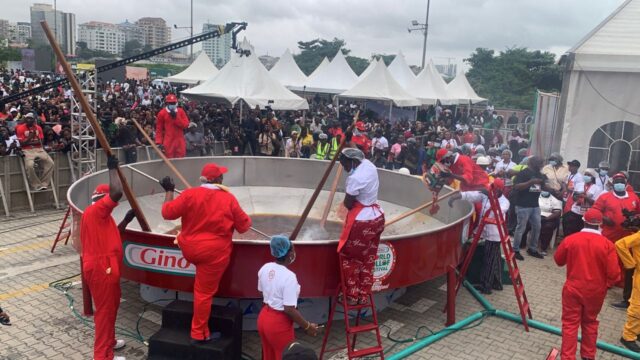
At the “Gino World Jollof Festival with Hilda Baci,” she cooked an astonishing 8,780 kilograms of Nigerian-style jollof rice over eight hours, drawing a massive crowd of fans, celebrities, and influencers.

The event featured appearances by Funke Akindele, Bambam, Tomike Adeoye, Alex Unusual, Peller, Spyro, and Ogun State First Lady, Bamidele Abiodun.

To achieve the record, Hilda used 4,000 kg of basmati rice, 500 cartons of tomato concentrate, 750 kg of cooking oil and 600 kg of onions.

The rice was cooked in a six-metre-wide steel pot, hoisted by a crane for weighing.

At one point, the pot’s cover slipped and its legs bent slightly, prompting a brief pause in the cooking process.

However, the team quickly stabilized the structure and continued.

Originally planning to cook 250 bags of rice, Hilda reduced it to 200 bags to stay within the 20,000-kg safety limit.

“It was safer to keep it below the scale’s capacity,” she explained. “Reducing by 1,000 kilograms still gave us enough to feed 20,000 people.”

After the successful cook, the jollof was packed into takeaway containers and distributed to the delighted crowd amid live music, DJ sets, and vibrant performances.

Three days later, on September 15, 2025, Guinness World Records officially confirmed Hilda’s achievement, certifying her as the record holder for the largest serving of Nigerian-style jollof rice, weighing 8,780 kilograms (19,356 lb 9 oz).

The confirmation followed verification that all cooking ratios, safety protocols, and food distribution standards were properly observed to prevent waste.

Reflecting on the achievement, Hilda said the challenge tested her endurance and commitment:

“I didn’t realise it would be this hard, it has been a real challenge. It took a lot of hard work, but achieving the record is truly satisfying. This record also belongs to the people of Nigeria.”

She emphasized that her goal went beyond the title itself, it was about celebrating Nigerian culture, unity and cuisine on a global stage.

“It’s more than setting records,” she said.

“It’s about feeding a nation and showing the world what Nigeria stands for.”

This marks Hilda Baci’s second Guinness World Record, following her 2023 cookathon, during which she cooked continuously for 93 hours and 11 minutes in Lekki, Lagos, a feat that made her a national inspiration and global culinary icon.

Google search engine

Don’t Panic, We’re Containing Terror Threats, Protecting Religious Freedom – FG Assures Nigerians


The Federal Government has urged Nigerians to remain calm amid recent security concerns, assuring that it is taking firm and coordinated action to curb terrorism and safeguard the nation’s peace.

Minister of Information and National Orientation, Mohammed Idris, gave the reassurance while briefing journalists after the Federal Executive Council (FEC) meeting held Thursday in Abuja.

Idris stated that the government remains fully committed to protecting lives and upholding the constitutional right of every citizen to freely practice their religion without fear or intimidation.

While acknowledging the persistence of violent extremist attacks in some regions, he emphasized that security agencies are actively working to restore stability through strengthened intelligence operations and cooperation with Nigeria’s regional neighbours and international allies.

“The killing of even one Nigerian is unacceptable to this government,” Idris said. “Our Constitution guarantees every citizen the right to worship without hindrance, and we will continue to defend that right.”

He dismissed speculation about instability within the administration, stressing that President Bola Tinubu and the Federal Executive Council remain “calm, united, and focused” on national priorities.

“Yes, there are security issues; yes, people are being killed in some areas,” he admitted. “But the government is responding with utmost responsibility. There is no panic. The President is calm, the Council is calm, and the government remains stable.”

The minister further revealed that Nigeria is intensifying collaboration with neighbouring countries and global partners, including the United States to combat terrorism, strengthen border security, and enhance intelligence-sharing.

“Terrorism and violent extremism cannot be defeated by one country acting alone,” Idris said.

“We are engaging our regional and international partners through appropriate diplomatic channels.”

He added that the government continues to issue directives to security agencies to maintain law and order nationwide and ensure citizens’ safety.

“Whatever concerns exist, the Government of Nigeria will address them decisively,” he assured.

Idris reaffirmed Nigeria’s longstanding culture of religious tolerance and mutual respect, pledging that the administration would continue to welcome international cooperation, but always in a manner consistent with the nation’s sovereignty and dignity.

Google search engine

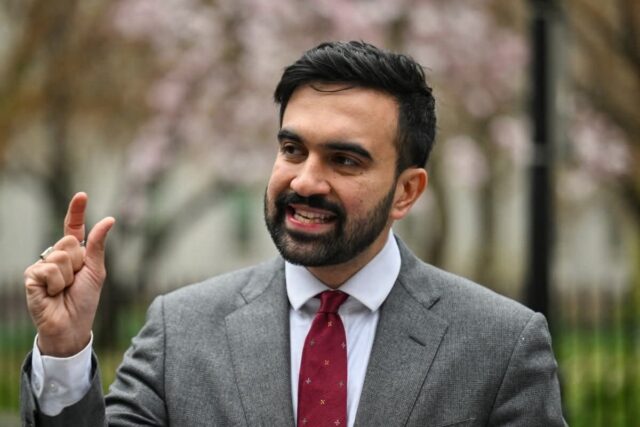
Meet Zohran Mamdani, 34-Year-Old Muslim Elected Mayor In Trump’s Birthplace


Amid headlines in Nigeria surrounding former US President Donald Trump’s claims of Christian persecution, New York City, the city where Trump was born, made news of its own by electing Zohran Mamdani, a 34-year-old Muslim, as mayor.

Mamdani, a democratic socialist and state assemblyman from Queens, won the election in a surprising upset, signaling a notable shift in urban American politics.

At just 34, Mamdani emerged from relative obscurity to defeat more established candidates.

His victory is being credited to his youthful energy, fresh perspective, and bold progressive platform, which resonated strongly with a broad base of voters. Following his win, he addressed supporters, saying:

“Today we have spoken in a clear voice: hope is alive.”

He outlined his vision for City Hall, emphasizing compassion, conviction, and clarity as guiding principles for his administration.

Mamdani’s background is as diverse as his politics.

Born in Uganda to parents of Indian heritage, he moved to New York at age seven.

His campaign intentionally highlighted his Muslim faith, with visits to mosques and even a campaign video in Urdu, reflecting his commitment to representation and inclusivity.

Speaking at a rally, he acknowledged the challenges of public Muslim visibility:

“We know that to stand in public as a Muslim is also to sacrifice the safety that our community can sometimes find in the shadows.”

Google search engine

MOST COMMENTED

- Advertisement -
Google search engine