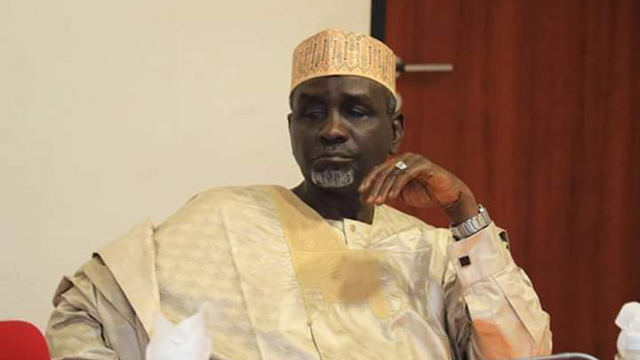

The League of Northern Democrats (LND), a political group led by former Kano State governor Ibrahim Shekarau, has declared that it will only join the opposition coalition seeking to unseat President Bola Ahmed Tinubu in 2027 if a new political party is registered.
This condition was made public in a statement issued by the LND’s convener, Dr. Umar Ardo, and 12 other senior members of the group after evaluating possible strategies for a viable opposition front.
The move comes amid speculations that top opposition leaders, including former Vice President Atiku Abubakar, and ex-governors Nasir El-Rufai and Rotimi Amaechi, are considering rallying behind existing platforms such as the African Democratic Congress (ADC) or the Social Democratic Party (SDP) in preparation for the 2027 elections.
However, the Shekarau-led LND has firmly pushed back against this idea. In their official statement, Ardo explained:
“On the question of party platform, after carefully examining the two leading proposals, fusing into an existing registered political party such as the ADC or the SDP or registering a new political party, we conclude that it is best for the opposition to register a new party platform, presenting the most viable, principled and sustainable path forward.”
According to Ardo, time is not a constraint. He said the opposition still has enough time before 2027 to establish a credible and effective new political party, if efforts begin now.
He went further to highlight the structural risks of adopting an existing party, saying:
“The ADC, SDP and similar existing parties already possess entrenched ward, local government, state and zonal structures whose leadership tenures remain legally binding and often deeply resistant to reform.”
Ardo cited a specific example from Adamawa State:
“For instance, the ADC Chairman in Adamawa publicly declared that his mandate, secured in December 2022 in the Zaria convention, remains valid until December 2026, by which time the nominations will be long over. This reality exists across the country in all existing parties.”
He warned that attempting to merge into such parties without fully harmonising interests and leadership could backfire.
“Fusing into such parties without full and prior harmonisation of interests and control of these structures invites chaos, factionalism, litigation and paralysis.”
In contrast, he argued that creating a new political party would allow for unity, clarity, and a clean break from the past:
“A new party, by contrast, provides a clean ideological slate, a fresh institutional architecture and a compelling narrative of rebirth, one that can win the hearts and minds of Nigerians weary of recycled platforms and failed promises.”
Ardo concluded by urging coalition leaders to take concrete steps toward the registration of a new political platform.
“We urge the leadership of the coalition to initiate the process of registering a new political party with a unifying name, clear ideology and inclusive leadership charter.”