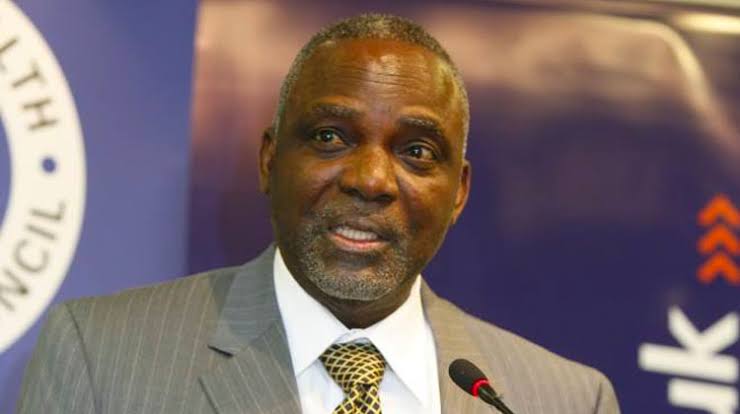

Prof. Bart Nnaji, Chairman of Geometric Power and former Minister of Power, has expressed disappointment over Nigeria’s persistent electricity challenges, despite being endowed with over 200 trillion cubic feet of proven natural gas reserves, DAILY GAZETTE reports.
Speaking at the Orienta News Nigeria 2025 Conference held in Lagos, Nnaji described the situation as a troubling contradiction that reflects poor planning and underinvestment.
“It’s quite perplexing. We are a gas-rich country, yet we struggle to supply enough gas to our power plants. It’s a contradiction that many find hard to understand,” he said.
Highlighting the pricing concerns in the power sector, Nnaji noted that although the Nigerian Midstream and Downstream Petroleum Regulatory Authority recently reduced the regulated domestic gas price from $2.42 to $2.13 per million British thermal units (MMBtu), generation companies (GenCos) often pay far more in the open market.
“Because most electricity is generated using gas, and GenCos depend heavily on sourcing this gas from the open market, the disparity between the regulated and actual prices continues to strain the sector,” he said.
He warned that this price mismatch has worsened liquidity problems, contributing to over N1 trillion in electricity subsidies in the first half of 2025, and a mounting debt the Federal Government owes GenCos.
According to Nnaji, the current pricing structure places an unrealistic burden on electricity providers.
“The energy charge component of the power tariff must be able to cover the cost of maintaining the assets. If operators can’t recover expenses for operations and maintenance, which are often dollar-denominated, there will be recurring system failures.”
He called on the government to allow electricity tariffs to reflect actual industry costs.
“The regulator must continue to adjust the tariff in line with actual industry costs to ensure sustainability,” he posited.
Nnaji also criticised the country’s lack of adequate investment in gas infrastructure, stressing that without improvements in gas production and pipeline transportation, efforts to boost power generation would remain futile.
“Nigeria has all the capacity it needs. Government should remain an enabler, but the private sector must take the lead. If we don’t produce enough gas, even promising initiatives like CNG adoption will not take off,” he stated.
He lamented the erratic operations of many gas-fired power plants, often hindered by inconsistent gas pressure and unreliable supply.
“Most gas-fired power plants in Nigeria suffer from erratic operations due to inconsistent gas pressure and supply,” he said, describing the situation as unacceptable in a nation blessed with abundant natural gas.
Nnaji also highlighted the broader economic potential of stable gas supply, suggesting that it could support industrial growth and energy diversification.
He called for enforceable Power Purchase Agreements (PPAs) and measures to curb vandalism and operational disruptions that often cripple the sector.
“Without a consistent gas supply and proper market design, we can’t expect PPAs to deliver,” he warned.
On Nigeria’s future energy mix, Nnaji maintained that gas would continue to be the mainstay of power generation over the next two decades, even as hydro and solar energy play supporting roles.
“Hydro power has its limits in Nigeria due to seasonal variability and geopolitical concerns, particularly as it depends on stable relationships with northern communities and neighbouring countries,” he added.