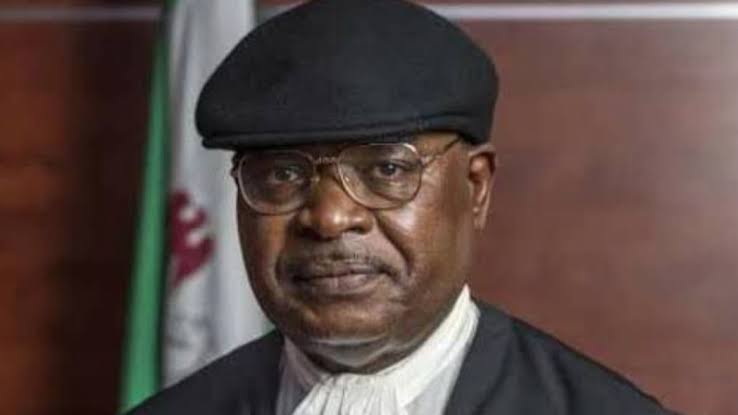

Former Chief Judge of the Federal Capital Territory High Court, Abuja, Hon. Justice Ishaq Bello, has faulted state governors for failing to sign death warrants for inmates convicted of capital offences who have exhausted all legal avenues, stating that their inaction is fueling criminality across the country.
Speaking on Friday at the Nigeria Human Rights Conference held in Enugu, themed “The Right to Development, Rule of Law and Nigerian Dream,” Justice Bello argued that the refusal of governors to carry out this constitutional duty undermines the justice system and emboldens offenders.
“If you are a judge, a case comes before you; you hear it and fairly decide. If your decision is in civil matter, you will do the needful as the law requires of you. If it is criminal, you’re made conviction and if there’s any role for any governor, let him perform it,” he said.
Justice Bello emphasized that governors’ reluctance to sign death warrants is indirectly encouraging criminals and contributing to the breakdown of law and order.
“By refusing to fulfill their constitutional obligations as required by the law, they indirectly encourage the criminals in their atrocities,” he added.
Drawing from his experience as Chairman of the Presidential Committee on Prison Reforms and Decongestion, Bello revealed that many inmates remain on death row for years due to governors’ failure to act.
He explained that signing death warrants is a critical component of the criminal justice process, not just to enforce the law but also to ease the burden on overcrowded prison facilities.
“Some governors have expressed humanitarian concerns, while others cite complexities in the legal system as reasons for not signing death warrants,” he noted.
However, Justice Bello maintained that these concerns often stem from a misunderstanding of their constitutional responsibilities, rather than flaws in the legal framework itself.
He also pushed back against comparisons between Nigeria’s criminal justice system and those in Western countries like the United Kingdom and the United States, stressing the vast differences in institutional capacity.
“What investment is done in the judiciary, in the police, among others? Wherever that is responsibility, there’s need for funding,” he said.