Home Blog Page 12

Gov Mbah And The Overhauling Of Enugu’s Health Sector: Matters Arising
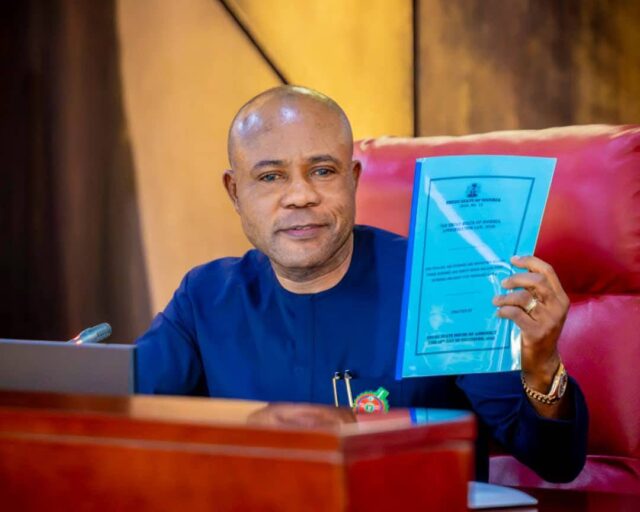
By Dr. Malachy Chuma Ochie,

When Governor Peter Mbah assumed office, he made it clear that governance would no longer be ceremonial; it would be structural, systemic, and measurable.

Nowhere is this resolve more evident than in the ongoing overhaul of the health sector in Enugu State. The recent press release by the Enugu State Ministry of Health signals not merely an administrative notice, but a defining moment in the State’s public health governance.

It is a declaration that the era of regulatory laxity, medical impunity, and tolerated quackery is drawing to a close.

At the heart of this intervention lies the Enugu State Health Sector Reform Law 2017, particularly Section 235, which has been reinforced by the National Health Act.

These legal instruments are not ornamental statutes; they provide a robust framework for registration, accreditation, monitoring, and enforcement.

The law is unambiguous in the sense that no health facility or practitioner may operate without due registration, licensing, and periodic renewal. More importantly, the Ministry retains the authority to sanction or shut down facilities that endanger public health.

What the current administration has done is to breathe life into these provisions. The issues identified by the Ministry are deeply troubling.

Numerous private facilities reportedly operate without registration.

Others fail to renew licenses or remit statutory fees. Some exceed their approved scope, such as 10-bed hospitals expanding far beyond licensed capacity, pharmacy shops and laboratories admitting patients, and self-styled “multi-specialty” centres functioning without requisite manpower or infrastructure.

Even more disturbing is the proliferation of unqualified individuals in rural communities posing as doctors and nurses. These are not minor infractions; they are life-and-death violations.

For years, such practices thrived under a culture of weak enforcement. The result was a fragmented health system where standards were negotiable and patient safety was often secondary to profit.

The implications are grave and far-reaching in terms of wrong diagnosis, unsafe procedures, avoidable complications, drug abuse, and preventable deaths.

Beyond physical harm, these practices erode public confidence in the healthcare system, driving citizens toward distrust or medical tourism.

The constitution of a Regulatory Task Team by the Ministry is therefore both timely and strategic. Enforcement is the backbone of reform.

Laws without implementation breed cynicism; regulations without monitoring invite impunity. By mandating inspections across all Local Government Areas, the government is decentralizing accountability and restoring credibility to the system.

The message is unmistakable to the effect that compliance is no longer optional.

Yet, this intervention must be understood within the broader governance philosophy of Peter Mbah. His administration has consistently emphasized systems over slogans.

In education, security, infrastructure, and economic development, the approach has been institutional strengthening rather than episodic gestures.

Health sector regulation fits squarely within this template. A modern economy cannot flourish on a fragile health foundation. Human capital, which is predicated on healthy, productive citizens, is the most critical asset of any state.

Critics may argue that intensified regulation could burden private providers or reduce access, especially in under-served areas. This concern deserves thoughtful engagement. Regulation must not become repression.

However, the false choice between access and standards must be rejected. Poor quality care is not access; it is danger disguised as service. The objective is not to eliminate private participation but to ensure that such participation meets minimum professional and ethical benchmarks.

The role of stakeholders is equally critical. Professional bodies must enforce discipline among members. Community leaders must resist shielding quacks out of sentiment or familiarity. Citizens must verify the credentials of facilities before patronage.

Reform is sustainable only when society internalizes its necessity. The Ministry’s call for collective vigilance recognizes this shared responsibility.

Moreover, enforcement must be accompanied by capacity-building. Genuine facilities struggling with compliance due to resource constraints should receive guidance and reasonable transition timelines.

Digitization of registration processes, transparent fee structures, and public disclosure of accredited facilities will enhance both compliance and public trust.

Reform succeeds when it combines firmness with fairness. What emerges from this moment is a clear proposition: Enugu State is redefining its health governance architecture.

By confronting substandard and illegal practices, the government is prioritizing patient safety over political convenience. It is choosing institutional integrity over transactional compromise. In a country where regulatory enforcement often falters, this stance is noteworthy.

Ultimately, the overhaul of the health sector under Peter Mbah is not merely about closing errant facilities; it is about resetting standards. It is about affirming that the life of every citizen, urban or rural, rich or poor deserves protection under enforceable law.

Matters arising from this reform will test the resolve of the administration, the cooperation of stakeholders, and the maturity of the system.

But one truth stands firm: a health sector governed by rules is the first step toward a healthier, more prosperous Enugu State. In that resolve lies both the challenge and the promise of this new chapter.

Google search engine

Low Turnout In FCT Council Poll Shows Democracy Under Siege, Says Atiku

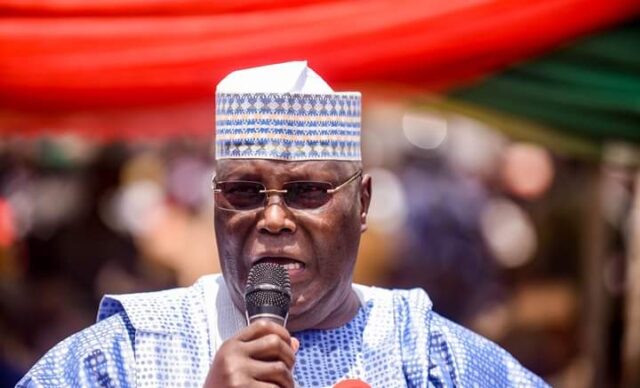
Former Vice President Atiku Abubakar has expressed concern over the low voter turnout recorded in Saturday’s Federal Capital Territory (FCT) Area Council elections, describing it as troubling for Nigeria’s democratic health.

Reacting to the polls in a statement shared by his media aide on X, Atiku said the average turnout — reportedly below 20 per cent, with the Abuja Municipal Area Council (AMAC) recording about 7.8 per cent — reflects deepening public disillusionment.

According to him, the weak civic participation in the nation’s capital is symptomatic of broader democratic challenges under the administration of President Bola Tinubu.

The former presidential candidate alleged that the government of the All Progressives Congress has fostered an atmosphere that discourages opposition and limits political plurality.

He argued that shrinking democratic space, intimidation of dissenting voices, and the marginalisation of alternative viewpoints have eroded public trust in the electoral process.

“When citizens begin to doubt that their votes count, democracy itself is endangered,” Atiku said, warning that what appears as voter apathy may instead reflect frustration and loss of confidence in governance.

He cautioned that continued weakening of participatory governance could inflict lasting damage on Nigeria’s democratic foundations, stressing that vibrant opposition and competitive politics are essential pillars of any functional democracy.

Atiku further called on opposition parties and civil society actors to unite in defence of democratic principles.

“This transcends partisan politics. It is about safeguarding the Republic and ensuring that democracy remains meaningful for all Nigerians,” he said.

Google search engine

FCT Polls: ADC’s Paul Moses Concedes Defeat In AMAC Chairmanship Race

The candidate of the African Democratic Congress in the Abuja Municipal Area Council chairmanship election, Dr Paul Moses, has conceded defeat following the conclusion of the Federal Capital Territory Area Council polls.

Dr Moses accepted the outcome shortly after the official declaration of results, signalling a reduced likelihood of any immediate legal challenge from his end.

Under Nigeria’s electoral framework, political parties reserve the right to institute legal proceedings at the Election Petition Tribunal if dissatisfied with the outcome of a poll, regardless of a candidate’s personal position.

However, in what observers describe as a rare move, the ADC flagbearer opted to accept the verdict.

In a statement, he said, “I accept the outcome of the election. Democracy demands respect for the will of the people, and I remain committed to the principles of peace, progress, and service.”

He expressed appreciation to his supporters, campaign team and residents of AMAC who believed in his vision, noting that the election marked a continuation, not the end, of his public service engagement.

“This is not the end of the journey. Our movement for accountable leadership, inclusive governance, and sustainable development in AMAC remains strong. We will continue to engage, organise, and work towards a better future for our people,” he added.

The incumbent chairman, Honourable Christopher Maikalangu of the All Progressives Congress, was declared winner by the Independent National Electoral Commission.

Dr Moses also urged his supporters to remain calm, united and focused, assuring them that the ideals championed during the campaign would not be abandoned.

Google search engine

Enugu Govt Imposes N150m Campaign Advertising Permit Ahead Of 2026/2027 Elections

The Enugu State Structures for Signage and Advertisement Agency has fixed a mandatory N150 million permit fee for political parties and candidates intending to advertise during the 2026 local government elections and the 2027 general elections in the state.

The General Manager of the agency, Mr Francis Aninwike, disclosed the development during a management meeting at the agency’s headquarters in Enugu.

According to a statement from the media office of Governor Peter Ndubuisi Mbah, the directive aligns with the agency’s statutory responsibility to regulate outdoor advertising and maintain environmental standards across the 17 local government areas.

Aninwike explained that the N150m permit would authorise political parties and candidates to deploy campaign materials such as billboards, banners, branded vehicles, T-shirts and handbills, as well as organise rallies and street campaigns.

He stated that no political party or candidate would be allowed to mount or display any form of visual campaign material without first obtaining approval from the agency and paying the prescribed fee into the Enugu State Government account.

The agency said the measure is aimed at curbing visual pollution, safeguarding public infrastructure and ensuring professionalism throughout the electioneering period.

Aninwike warned that campaign materials mounted without proper authorisation would be removed, while defaulters could face legal consequences.

He further clarified that only advertising practitioners licensed by the Advertising Regulatory Council of Nigeria are permitted to manage billboards and related campaign structures within the state.

Individuals, support groups or political organisations are barred from erecting such structures without going through approved ARCON practitioners and securing ENSSAA clearance.

Responding to concerns about impartiality, the agency maintained that the regulation would apply equally to all political actors, including incumbents.

It noted that the governor has previously complied with the state’s advertising rules in his official and political engagements.

The agency also urged party supporters to refrain from vandalising or defacing opponents’ campaign materials, stressing that such actions are unlawful and undermine democratic practice.

Google search engine

BREAKING: ESUT Governing Council Chairman Chinyeaka Ohaa Resigns

The Chairman of the Governing Council of Enugu State University of Science and Technology (ESUT), Sir Chinyeaka Ohaa, has resigned from his position.

In a letter dated February 23, 2026, and addressed to the Governor of Enugu State and Visitor to the University, Peter Ndubuisi Mbah, Sir Ohaa formally announced his decision to step down with immediate effect.

“I hereby formally and voluntarily resign my position as the Chairman of the Governing Council of Enugu State University of Science and Technology (ESUT), effective from February 23, 2026,” the letter read.

Ohaa expressed appreciation to the governor for the opportunity to serve, describing his tenure as both an honour and a privilege.

“It is an honour and privilege to serve the Government and people of Enugu State in this capacity, which offered me the opportunity to contribute to the growth and development of the University. I remain grateful to Your Excellency for this rare opportunity,” he stated.

He also reassured the governor of his continued goodwill and commitment to the advancement of education in the state.

“Please accept the assurances of my highest esteem and continued goodwill toward the advancement of education in Enugu State,” the letter concluded.

Sir Ohaa is an accomplished public servant with extensive experience in the federal civil service.

He previously served as a Federal Permanent Secretary in key ministries, including Power and the Federal Capital Territory Administration, Abuja.

Google search engine

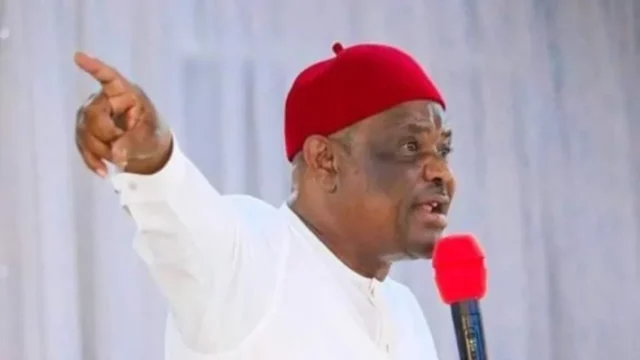
FCT Polls Exposed Politicians Who Buy Corn From Roadside Sellers To Deceive Nigerians – Wike

The Minister of the Federal Capital Territory (FCT), Nyesom Wike, has said the outcome and peaceful conduct of the FCT area council elections have exposed what he described as “political theatrics” by individuals who attempt to win public sympathy through staged gestures.

Speaking in a special broadcast on Sunday, Wike said residents of the FCT demonstrated political maturity and discernment by refusing to be swayed by what he called superficial campaign tactics, including public displays such as buying roasted corn and groundnuts from roadside traders for media attention.

According to him, the election showed that Nigerians can distinguish between genuine leadership and what he termed “emergency democrats” who, in his words, constantly undermine the government while seeking public validation through symbolism.

“This election has shown clearly that Nigerians understand who the ruling party is and who the real opposition is,” the minister stated, adding that FCT residents proved they could not be deceived by optics or political drama.

Wike attributed the peaceful and credible conduct of the polls to the leadership of President Bola Ahmed Tinubu, saying the exercise reflected the administration’s commitment to democratic consolidation under the Renewed Hope Agenda.

He praised the President for supporting reforms aimed at strengthening Nigeria’s electoral system, particularly the amendment of the Electoral Act, which he said has enhanced transparency and credibility in the conduct of elections.

The FCT minister also commended the Independent National Electoral Commission (INEC) for conducting what he described as a free, fair, and credible election.

He said the electoral body’s performance underscored the administration’s resolve to reinforce democratic institutions.

Security agencies were equally lauded for maintaining order throughout the exercise, ensuring that voters were able to cast their ballots in a peaceful atmosphere.

Wike congratulated winners of the polls and urged them to serve with humility, dedication, and a strong commitment to grassroots development.

He called on them to prioritise the welfare of residents and deliver tangible dividends of democracy.

He also thanked FCT residents, particularly those in satellite towns, for turning out in large numbers and conducting themselves peacefully during the elections.

Reaffirming his administration’s commitment, Wike pledged that the FCT Administration would continue to implement policies and projects aligned with the President’s Renewed Hope Agenda to sustain development and improve the quality of life in the nation’s capital.

Google search engine

FCT Poll: PDP Heads To Tribunal As APC Wins Five Councils, EFCC Nabs 20 For Vote-Buying

The Peoples Democratic Party has inaugurated a special legal team to challenge the outcome of Saturday’s Federal Capital Territory Area Council elections, following the All Progressives Congress’ victory in five of the six chairmanship seats.

Results declared by the Independent National Electoral Commission showed that the APC secured victories in Abuja Municipal Area Council, Abaji, Bwari, Kwali and Kuje, while the PDP clinched the chairmanship seat in Gwagwalada.

In a statement signed by its National Publicity Secretary, Ini Ememobong, the PDP alleged widespread irregularities, including intimidation and vote-buying.

The party said its legal team, headed by National Legal Adviser Shafi Bara’u, Esq., would contest results it considers flawed.

The PDP congratulated its Gwagwalada chairman-elect, Mohammed Kasim, describing the victory as significant despite what it called “high-powered money politics and brazen executive brigandage.”

The party further alleged that security operatives interfered with the electoral process in some polling units.

According to INEC’s official results, Christopher Maikalangu of the APC won in AMAC with 40,295 votes out of 62,861 valid votes.

In Bwari, APC’s Joshua Ishaku polled 18,466 votes to emerge victorious, while Umar Abubakar secured Abaji with 15,535 votes.

In Kwali, Nuhu Daniel of the APC defeated PDP’s Haruna Pai with 17,032 votes, and in Kuje, APC candidate Danjuma Shekwolo won with 17,269 votes.

The PDP’s sole victory came in Gwagwalada, where Mohammed Kasim polled 22,165 votes to defeat APC’s Yahaya Shehu, who scored 17,788 votes.

INEC said over 239,000 voters participated in the polls, representing about 15 per cent of the 1.68 million registered voters in the FCT.

The commission denied claims that voters were migrated to new polling units, explaining that it merely created split polling units in densely populated areas to ease congestion.

The electoral body noted that 93 per cent of polling unit results had been uploaded to its Result Viewing Portal as of Sunday afternoon.

While acknowledging voter apathy, INEC said turnout improved compared to the 2022 council elections.

Meanwhile, the Economic and Financial Crimes Commission arrested 20 suspects across the FCT for alleged electoral offences, including vote-buying and obstruction of officials.

The anti-graft agency said it recovered a total of N17.2m, including N13.5m found in a vehicle parked near a polling booth in Kwali.

The suspects are expected to be charged after investigations.

President Bola Tinubu congratulated the winners, describing their mandates as a sacred trust.

He commended INEC and security agencies for the peaceful conduct of the polls and urged elected officials to serve with humility and dedication.

Similarly, APC National Chairman Prof Nentawe Yilwatda described the outcome as an endorsement of the administration’s reform agenda, while FCT Minister Nyesom Wike said the results clarified Nigeria’s political landscape, asserting that the election demonstrated residents’ support for the ruling party.

However, former Vice President Atiku Abubakar warned of a shrinking democratic space, citing low voter turnout as evidence of declining public confidence.

He called on opposition parties to unite in defence of democracy.

Also reacting, PDP chieftain Gbenga Olawepo-Hashim described the Gwagwalada victory and councillorship gains as signs of the party’s resurgence ahead of the 2027 general elections.

Google search engine

New Electoral Act Raises Presidential Campaign Expenses To N10bn, Governorship To N3bn, Senate To N500m


The National Assembly has increased the campaign spending ceiling for presidential elections from N5 billion to N10 billion under the newly enacted Electoral Act 2026.

Leader of the Senate, Opeyemi Bamidele, disclosed the major provisions of the new law in a statement issued by his Directorate of Media and Public Affairs on Sunday.

He said Section 92(1-8) of the Act reviewed upward the spending limits for various elective positions.

Under the new regime, governorship candidates can now spend up to N3 billion, up from N1 billion.

The ceiling for Senate elections has been raised from N100 million to N500 million; House of Representatives from N70 million to N250 million; House of Assembly from N30 million to N100 million; Area Council chairmanship from N30 million to N60 million; and councillorship from N5 million to N10 million.

The law also introduces stiffer penalties for electoral offences. Bamidele explained that Section 125(1-2) prescribes a two-year jail term or a fine ranging from N500,000 to N2 million, or both, for offences such as vote buying, impersonation and result manipulation.

In addition, Section 74(1) mandates Resident Electoral Commissioners to release certified true copies of requested electoral documents within 24 hours of payment.

Failure to comply attracts a minimum two-year prison term without the option of fine.

The new Act establishes a dedicated fund for the Independent National Electoral Commission to strengthen its financial autonomy and operational stability.

It also mandates the deployment of the Bimodal Voter Accreditation System for voter accreditation and enforces compulsory electronic transmission of results to the INEC Result Viewing Portal.

Section 60(3) makes electronic transmission of polling unit results mandatory, while Section 60(6) imposes a six-month prison sentence or a N500,000 fine, or both, on any presiding officer who deliberately frustrates the process.

However, the law permits the use of Form EC8A where electronic transmission fails due to communication challenges, as prescribed by INEC.

The legislation further requires political parties to maintain digital membership registers and submit them to INEC at least 21 days before primaries, congresses or conventions. Parties that fail to comply will be barred from fielding candidates.

Indirect primaries have been removed, leaving only direct and consensus options in a bid to curb monetisation and broaden participation.

Other reforms include provisions supporting persons with visual impairment, gender-sensitive queue arrangements where culturally necessary, and a N10 million fine for any political party that fails to submit accurate audited financial returns within the stipulated period.

The harmonised bill was passed by the National Assembly and transmitted to President Bola Ahmed Tinubu, who signed it into law within 24 hours.

Lawmakers said the swift assent was necessary to prevent constitutional complications ahead of preparations for the 2027 general elections.

Bamidele maintained that the law was the product of two years of consultations involving civil society organisations, INEC, the Office of the Attorney-General of the Federation and development partners.

He said the Electoral Act 2026 is designed to strengthen institutional independence, enhance transparency, improve technological integration and reinforce accountability in Nigeria’s electoral system.

Google search engine

CJN Kekere-Ekun To Swear In Justice Oyewole As Supreme Court Judge Wednesday


The Chief Justice of Nigeria, Kudirat Kekere-Ekun, will on Wednesday swear in Justice Joseph Olubunmi Kayode Oyewole as a Justice of the Supreme Court of Nigeria.

The swearing-in ceremony is slated for 2pm at Courtroom Two of the Supreme Court complex in Abuja.

Justice Oyewole, who was until his elevation a Justice of the Court of Appeal and Presiding Justice of its Enugu Division, joins the apex court as part of efforts to strengthen the judiciary and enhance the court’s capacity to dispense justice efficiently.

His appointment followed a recommendation by the National Judicial Council at its 110th meeting held on January 13, 2026, under the chairmanship of the CJN.

The council had recommended him alongside 35 others for various judicial positions.

In a statement issued by the Director of Information and Public Relations of the Supreme Court, Dr Festus Akande, the development was described as a significant milestone in consolidating the judiciary’s commitment to the rule of law.

The statement noted that Justice Oyewole distinguished himself during his service at the Court of Appeal, particularly in the Enugu Division, bringing to the apex court extensive legal experience and a reputation for integrity.

It added that his elevation reflects ongoing reforms aimed at strengthening the bench with seasoned jurists capable of delivering fair, timely, and impartial judgments.

The Supreme Court further described the ceremony as another step toward rejuvenating the nation’s judicial system and reaffirmed its dedication to upholding justice and judicial independence.

Invited guests were advised to comply strictly with established court protocols and security guidelines for the event.

Google search engine

FCT Polls: PDP Demands Immediate Release Of Kuje Results, Warns INEC Against Delay

The Peoples Democratic Party has urged the Independent National Electoral Commission to promptly declare the outstanding results of the Kuje Area Council chairmanship election, expressing concern over what it described as an unusual delay in the collation process.

In a statement issued by its National Publicity Secretary, Ini Ememobong, the party said results from two wards in Kuje — Kuje Central and Kabi — were yet to be announced, creating tension among party supporters.

According to the PDP, the delay is particularly troubling given what it claims is a marginal lead in the area.

The party alleged that the situation could expose the process to manipulation and called on the electoral umpire to safeguard the integrity of the exercise.

“We call on the Chairman of INEC to direct the immediate announcement of the outstanding results, many of which have already been uploaded on the IREV portal. The will of the people must not be compromised,” the statement read.

The party maintained that the sanctity of the ballot must be preserved, stressing that any deviation from due process would undermine public confidence in the election.

INEC officials, however, attributed the delay to logistical challenges.

The Supervising Resident Electoral Commissioner for the Kuje poll, Abubakar Dambo, explained that results from eight of the ten wards had been concluded, while collation was ongoing in the remaining two.

He cited issues involving collation officers as the cause of the setback.

Meanwhile, the All Progressives Congress has celebrated its performance in the February 21 elections across the Federal Capital Territory, Kano, and Rivers states.

The party’s National Chairman, Nentawe Yilwatda, described the outcome as evidence of the APC’s growing grassroots support, listing Kuje among councils won by the party despite the pending final declaration.

Earlier results announced by INEC showed the APC winning in Abaji, Kwali, Abuja Municipal Area Council, and Bwari, while the PDP secured victory in Gwagwalada.

President Bola Tinubu had also congratulated winners of the elections, commending INEC, security agencies, and voters for what he described as the peaceful conduct of the polls.

Despite these commendations, opposition parties have continued to question aspects of the process, citing low voter turnout and alleged irregularities.

The PDP has already constituted a legal team to handle potential election petitions arising from the FCT Area Council polls.

Google search engine

MOST COMMENTED

- Advertisement -
Google search engine