Home Blog Page 845

Media Not Encumbered From Accessing Single-Digit Loans – Tinubu
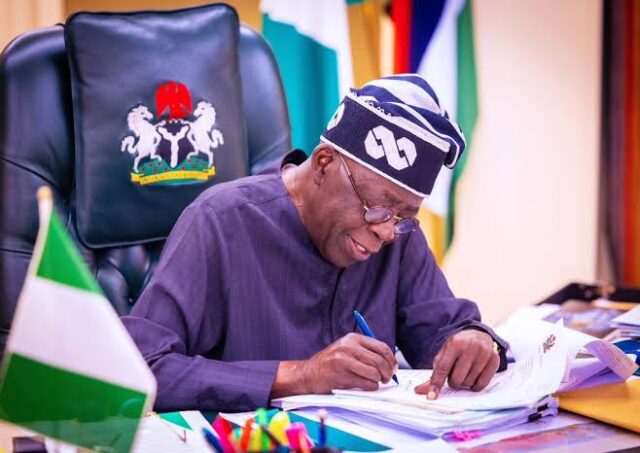
President Bola Ahmed Tinubu has confirmed that media organizations in Nigeria can now access funding from the Bank of Industry (BoI) at a single-digit interest rate to help expand their operations.

Speaking at the 2024 All Nigerian Editors Conference in Yenagoa, Bayelsa State, Tinubu emphasized that the media would not be excluded from his administration’s economic support programs under the “Renewed Hope Agenda.”

The President, represented by the Minister of Information and National Orientation, Mohammed Idris, noted that the media’s role in Nigeria’s democracy over the past 25 years has been instrumental, and his administration would continue to support their growth.

“The media is not left out of the Renewed Hope Agenda. You now have the opportunity to access loans from the Bank of Industry at a single-digit interest rate for the development and expansion of your businesses.” He said

Idris had earlier encouraged media organizations to prepare bankable proposals to qualify for the loans, which he announced in May.

The editors’ conference, with the theme “Economic Growth and Development Strategies in a Resource-Rich Country,” was chaired by Nduka Obaigbena, the Chairman/Editor-in-Chief of ThisDay.

The event was attended by prominent journalists, including Vanguard Publisher Sam Amuka-Pemu and former Ogun State Governor Olusegun Osoba.

In his speech, President Tinubu highlighted several reforms his administration has implemented, such as the removal of the petrol subsidy, and praised the media for its contributions to nation-building.

He acknowledged that the uninterrupted democracy Nigerians enjoy today is largely due to the work of the media, particularly those who fought during the pro-democracy struggles.

“I salute the efforts of veteran journalists in this room who helped bring about Nigeria’s enduring democracy. Your contributions remain invaluable, and as we celebrate 25 years of democracy, we recognize the media’s key role in making this possible,” Tinubu stated.

He emphasized the symbiotic relationship between the media and the government, stressing the importance of accountability and mutual respect.

“In any thriving democracy, the roles of government and the media are intertwined. Both are essential in serving the public interest,” he added.

“The media must hold us accountable, and we must work together to strengthen democracy and build a more transparent and resilient society.”

On Nigeria’s economic reforms, Tinubu noted that the country’s debt-to-revenue ratio had dropped significantly from 100% to 65%, marking a positive turnaround for the economy.

He also pointed to efforts to diversify Nigeria’s revenue sources, including the administration’s initiative to use Compressed Natural Gas (CNG) to reduce transportation costs by about 60%.

Bayelsa State Governor, Douye Diri, who also attended the conference, praised the media for its crucial role in democratic governance.

He described the media as the “fourth pillar of democracy,” which educates, informs, and entertains the public, shaping national discourse.

Diri also raised concerns about environmental challenges and economic hardships faced by Bayelsa, a major oil and gas-producing state.

He called for a rethinking of the outdated idea that states have rights to surface land, while the federal government controls valuable underground resources.

During the conference, ThisDay Publisher, Nduka Obaigbena urged editors to support the economic reforms of the Tinubu administration, emphasizing that the future of Nigeria could improve if the media provided the necessary backing to the government’s initiatives.

Veteran journalist, Sam Amuka-Pemu expressed concerns about the impact of the fuel subsidy removal on the media industry, particularly on newspaper sales.

He explained that rising transportation costs were straining the industry’s finances and that advertising revenue, a crucial source of income, had significantly dwindled.

Amuka warned that without intervention, the newspaper industry could face extinction.

Another veteran journalist, Chief Olusegun Osoba, called on editors to resolve the ongoing leadership crisis in the Nigerian Union of Journalists (NUJ), which has prevented the union from holding elections for the past two years.

Google search engine

Trump Makes First Appointment

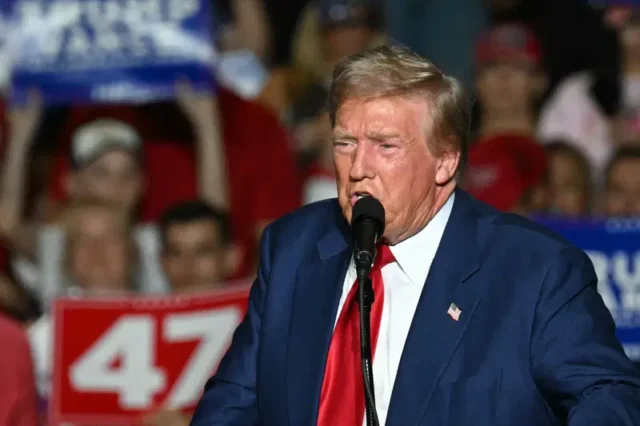
Donald Trump has named Susie Wiles, his campaign manager during the 2024 election, as his White House chief of staff, marking his first significant staff appointment following his victory.

Wiles, who is 67 and a Florida native, will make history as the first female to hold the role of chief of staff in U.S. history.

“Susie is tough, smart, and highly respected across the board. She’s been a key part of our success, and I am confident she will continue to work relentlessly to Make America Great Again,” Trump said in a statement.

“It’s an honor to have her as part of the team.”

Wiles, known for her more disciplined approach in managing Trump’s second presidential campaign, takes on the role following a period of high turnover in the Trump administration’s staff during his first term.

Trump’s previous White House saw four different chiefs of staff, including one acting chief for a year.

While Wiles did not speak at Trump’s election night rally, she stood alongside him as a key figure in his victory, choosing to let her work speak for itself.

She is also the daughter of the late sportscaster, Pat Summerall.

Google search engine

Assaulted Bolt Driver Makes U-Turn, Apologizes To Abia Lawmaker After Altercation

Stephen Abuwatseya, a Bolt driver involved in a physical altercation with Hon. Alex Ikwechegh, the member of the House of Representatives for Aba North/South, has issued a public apology.

In a video shared, Abuwatseya expressed regret for the incident, apologizing to the lawmaker and others who may have been offended by his actions.

The driver acknowledged the disagreement with Rt. Hon. Alex Mascot Ikwechegh, explaining that his words and behavior during the confrontation were inappropriate.

He appealed to Nigerians to forgive him and urged unity, stressing the importance of putting aside differences of religion, ethnicity, or region in order to move the country forward.

“I want to tell Nigerians that this is not the time for division. We need to unite and be our brother’s keeper, regardless of where we come from.”

In his message of remorse, Abuwatseya also thanked his family and supporters for standing by him during the challenging time.

He emphasized that, as a young person trying to make an honest living, he harbors no ill will toward anyone.

This apology came after Hon. Ikwechegh also issued a public statement, acknowledging his own role in the incident and expressing regret for his behavior.

The lawmaker apologized to both Abuwatseya and the Nigerian public, including the Nigerian Police Force and the National Assembly, stating that his actions were not representative of the conduct expected from a public official.

Ikwechegh explained that, after the altercation, he had engaged in a process of reconciliation with Abuwatseya, which led to a peaceful resolution. The two reached a “mutual and respectful agreement,” according to Ikwechegh.

The confrontation, which was captured on video and widely shared on social media, showed the lawmaker slapping Abuwatseya multiple times after a dispute about the driver’s behavior.

During the heated exchange, Ikwechegh reportedly made threatening remarks, claiming he could make the driver “disappear without a trace.”

Following public backlash over his actions, the lawmaker faced legal consequences. He was charged in an Abuja Chief Magistrate Court, where he was granted bail in the sum of N500,000 with two sureties.

Google search engine

Court Upholds Edema As NNPP Candidate For Ondo Governorship Poll

An Ondo State High Court in Akure has affirmed Mr. Olugbenga Edema as the valid candidate of the New Nigeria Peoples Party (NNPP) for the upcoming November 16 governorship election in the state.

The court dismissed a suit challenging his candidacy.

The plaintiffs, Mr. Michael Akintan and Mrs. Kemi Fasua, had filed the suit seeking to disqualify Edema, arguing that he was not eligible to contest as the NNPP candidate.

Represented by their counsel, Mr. Monday Mawah, they sought both injunctive and declaratory reliefs, including a permanent injunction to prevent Edema from presenting himself as the party’s candidate.

However, Edema, along with his running mate Mr. Rotimi Adeyemi, opposed the suit through their lawyer, Mr. Rotimi Olorunfemi.

Olorunfemi argued that the case was an abuse of the court process and should be dismissed.

He contended that the issue at hand was a pre-election matter, which should have been brought before the Federal High Court, not the Ondo State High Court.

In his submission, Olorunfemi emphasized that the court lacked jurisdiction over the matter, as jurisdiction is a critical factor in determining whether a court can hear a case.

The court ruled in favor of Edema, rejecting the claims made by the plaintiffs and upholding his candidacy for the November 16 governorship election.

Google search engine

Prioritize Party Unity Over 2027 Aspirations – Makinde, Saraki Urge PDP Leaders

Oyo State Governor Seyi Makinde and former Senate President Dr. Bukola Saraki have called on the leaders of the Peoples Democratic Party (PDP) to prioritize unity within the party, urging them not to let personal presidential ambitions create further division.

The two leaders made the call on Thursday during the inauguration of the Board of Governors and the unveiling of the roadmap for the Peoples Democratic Institute (PDI) at the party’s national headquarters in Abuja.

Their remarks come amid growing concerns about the impact of 2027 presidential ambitions within the PDP, particularly those of former Vice President Atiku Abubakar, Bauchi State Governor Bala Mohammed, and Makinde himself.

The competing aspirations have the potential to deepen existing rifts within the party, which is already divided into factions supporting Atiku and the Minister of the Federal Capital Territory, Nyesom Wike.

Tensions flared further when Mohammed, who also leads the PDP Governors’ Forum, confirmed his intent to run for president in 2027.

Saraki, speaking at the event, emphasized that the PDP’s success and relevance should not be undermined by individual ambitions.

He reminded party members that the PDP was built on a foundation of policies, ideologies, and shared values, not on personal interests.

“We cannot have an ambition if we don’t have a party, and we cannot have a party if we don’t have ideas. This is where it starts. This is the foundation,” Saraki said.

He urged party leaders to shift the focus from the 2027 elections and instead concentrate on the core issues and policies that the PDP represents.

“Let’s stop talking about who is running for president or governor in 2027. Let us concentrate on what the PDP stands for and what issues we need to address for the good of the country,” Saraki added.

Saraki also highlighted the importance of the PDP’s new institute, the PDI, noting that it would help reinforce the party’s intellectual foundation and improve its image.

“I’ve traveled to many places, even in Europe, and people have asked where our institute is. It is a mark of shame that, until now, we didn’t have one. But today, we are putting that chapter behind us,” he said.

Governor Makinde echoed Saraki’s sentiments, stressing the importance of unity in ensuring the PDP’s success. Reflecting on his own political journey, he expressed gratitude for the opportunities the party has provided him.

“I want to be remembered for helping to revive the fortunes of the PDP. Since 1998, I have benefited from this party, and since 2019, I have had the privilege of securing two mandates under its banner,” Makinde said.

The governor reassured party members that he would continue to support the PDP and its candidates, especially in the upcoming Ondo State governorship election.

“We must be united as we approach Ondo State. We have a strong chance of winning, but it will require unity within the party to ensure that the APC is defeated,” Makinde stated.

He further emphasized the importance of reconciliation within the party, saying that the PDP’s success in Ondo would hinge on working together and resisting any attempt by the ruling party to undermine the electoral process.

“We must ensure that no form of rigging or manipulation by the APC will succeed in Ondo,” he urged.

Makinde concluded by reiterating that the PDP must become a beacon of hope for Nigeria, stating, “The PDP must offer real hope for Nigeria and provide the ideological foundation the country desperately needs. We will fix the PDP, and through that, the PDP will fix Nigeria.”

He also pledged to continue championing youth participation in the political process, assuring the gathering that the PDI would help further open up opportunities for young Nigerians in politics.

“The PDP is the only party in Nigeria that has allowed youth to be part of the political process, and the PDI will only expand this space,” Makinde affirmed.

Google search engine

There Will Be 20-Hour Daily Power Supply By 2027 – FG

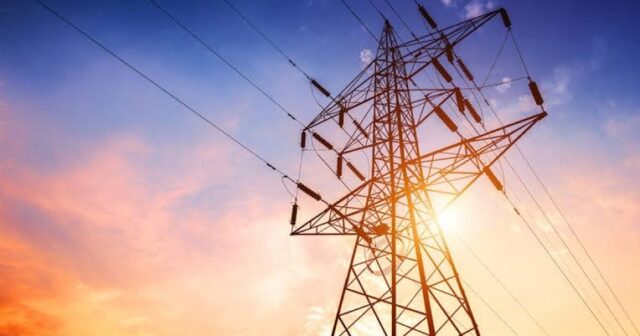
The Federal Government has outlined its ambition to provide Nigerians with at least 20 hours of daily electricity by 2027, contingent on boosting investments in Nigeria’s oil and gas sector, which it admits are currently insufficient.

Olu Verheijen, the Special Adviser to the President on Energy, made this announcement during the Energy Week in Cape Town, South Africa.

In a statement released by the State House Director of Information and Publicity, Abiodun Oladunjoye, Verheijen emphasized the government’s commitment to improving power supply, stating, “By 2027, Nigeria aims to ensure 20 hours of electricity daily for consumers in urban areas and industrial hubs.”

This ambitious target is being pursued amid ongoing challenges with the country’s national power grid, which has suffered frequent collapses.

On Tuesday, the grid collapsed for the 10th time since January 2024, leading to widespread blackouts across the nation.

The government has attributed these failures to aging infrastructure, poor maintenance, and chronic underinvestment in the power sector.

Despite an installed capacity of approximately 12,500 megawatts, Nigeria often generates a fraction of this amount, leaving many regions without reliable power.

Verheijen reiterated the government’s determination to revitalize the country’s power infrastructure to provide more reliable electricity to the 86 million Nigerians who are currently underserved.

During the conference, Verheijen outlined several reforms aimed at improving power supply, including enhancing revenue collection, addressing legacy debts, deploying seven million smart meters to reduce losses, and expanding off-grid solutions for remote areas.

She also discussed recent macroeconomic reforms, including the removal of fuel subsidies and foreign exchange liberalization, noting that these steps position Nigeria for significant growth in the coming years.

“Under President Tinubu’s leadership, Nigeria is implementing reforms to unlock its vast economic potential and create jobs,” she said, inviting global investors to join in the country’s development.

Verheijen expressed concerns over Nigeria’s underperformance in oil and gas production, despite the country’s substantial reserves.

She highlighted how Brazil, with only 30% of Nigeria’s oil reserves, produces 131% more oil than Nigeria, primarily due to greater investment in its energy sector.

Since 2016, Nigeria has attracted just 4% of total oil and gas investments in Africa, even as other, less resource-rich countries have seen greater investment flows.

Verheijen pointed out that, in contrast, international oil companies (IOCs) have committed more than $82 billion to deepwater projects in other countries, viewing them as more attractive investment destinations.

Recognizing the need for change, the presidential adviser highlighted the ongoing reforms within the oil and gas sector, which include the introduction of fiscal incentives to encourage investment in deep offshore oil and non-associated gas projects.

This marks the first time Nigeria has outlined a fiscal framework specifically for deepwater gas projects.

Verheijen also discussed efforts to improve the upstream sector by collaborating with the office of the National Security Adviser to provide focused security directives for the oil and gas industry.

Additionally, efforts are underway to streamline the approval process for projects to reduce costly delays. The aim is to cut down the average contracting timeline from 38 months to just 135 days and eliminate the 40% cost premium currently associated with operating in Nigeria’s oil and gas sector.

She further explained that the government’s strategy includes attracting larger investments into midstream and downstream sectors like compressed natural gas, liquefied petroleum gas, and electric vehicles.

These sectors are central to the Presidential Gas for Growth Initiative, which seeks to reduce Nigeria’s reliance on petrol and diesel in key areas such as heavy transport, decentralized power generation, and cooking.

Verheijen also shared that the government has already unlocked over $1 billion in investments across the energy value chain, with two major projects expected to reach a Final Investment Decision (FID) by mid-2025.

These include a multibillion-dollar deepwater exploration project, the first of its kind in Nigeria in over a decade.

Additionally, the government is facilitating the transfer of onshore and shallow water oil assets to local companies with the capacity to boost production, while supporting the transition of international oil companies to deeper offshore exploration and integrated gas projects.

“We are focused on building a sustainable energy future,” Verheijen concluded, emphasizing the government’s commitment to unlocking Nigeria’s energy potential and securing long-term investments in the sector.

Google search engine

Soludo: Nigeria Undergoing A Reset With Subsidy Removal

The Governor of Anambra State, Prof. Chukwuma Soludo, has stated that Nigeria is undergoing a crucial and transformative reset with the removal of subsidies by President Bola Tinubu’s administration.

Soludo made this statement during the 13th Convocation Lecture at Veritas University in Abuja on Thursday, where he delivered a lecture titled “Let Us Make a New Deal for Nigeria.”

The lecture focused on addressing the country’s deep-rooted challenges and charting a new path forward.

According to Soludo, the removal of subsidies marks a significant shift away from policies that mainly benefited the urban elite, towards a more equitable and productive social contract that can provide opportunities for all Nigerians.

“We have entered a ‘muddling-through’ phase that requires careful navigation,” Soludo said, referencing the removal of harmful subsidies on fuel, foreign exchange, and electricity.

He shared his personal experience, recalling how he benefited from free and quality education at the primary, secondary, and university levels, along with subsidized meals in public universities.

However, he noted that such benefits became unsustainable as government funding dwindled over time. Despite the country’s challenges, Soludo acknowledged that previous military governments made significant investments in education during the early oil boom years.

Soludo emphasized the need for Nigeria to adopt a pragmatic, forward-thinking approach, proposing the creation of a “new deal” for the country.

He suggested implementing an emergency national infrastructure plan akin to the U.S. Marshall Plan, which was instrumental in rebuilding Europe after World War II.

Drawing inspiration from the Marshall Plan, Soludo urged Nigerian leaders to focus on public works, financial reforms, and regulatory changes to transform the nation’s economy and infrastructure.

He also pointed to positive developments such as the recent minimum wage legislation, the draft tax reform bill, and planned cash transfer programs as encouraging steps.

However, he stressed the importance of historic coordination between the federal and state governments to ensure the swift and effective implementation of these reforms.

Addressing the graduating students, Soludo encouraged them to take an active role in shaping Nigeria’s future.

“The future you seek is in your hands. Only those who plan can control the future. While Nigeria may not have given you much, you are expected to give more than you have received,” he said.

In his welcome speech, the Vice Chancellor of Veritas University, Prof. Hyacinth Ichoku, praised Soludo for his ongoing commitment to youth education.

He reaffirmed the university’s dedication to providing high-quality education and fostering strong moral values in students.

Dr. Matthew Kukah, Pro-Chancellor and Chairman of the Governing Council, highlighted the alarming rise of banditry and insecurity in the country, which he attributed to the lack of education.

He stressed the urgent need to address this issue to secure a safer future for generations to come.

Google search engine

Efforts Ongoing To Stabilize National Grid, TCN Assures

The Transmission Company of Nigeria (TCN) has confirmed that it is actively working to stabilize the national grid following a disturbance that occurred at 11:29 am on Thursday.

In a statement issued in Abuja, TCN’s General Manager for Public Affairs, Mrs. Ndidi Mbah, explained that the disturbance was triggered by a sudden frequency surge from 50.33Hz to 51.44Hz.

Recovery efforts were immediately initiated, with the Abuja region being restored within 28 minutes.

Mbah attributed the frequency spike to a malfunction at one of TCN’s substations, which was subsequently shut down as a precautionary measure to prevent further issues.

She also outlined ongoing repair and upgrade works at several critical transmission points to ensure grid stability.

“We are currently engaged in extensive repair works on key transmission lines and substations. This includes work on the 330kV transmission lines along the Shiroro–Mando corridor, major upgrades at the Jebba Transmission substation, and the restoration of the second Ugwuaji–Apir 330kV transmission line.” she said.

The General Manager also highlighted that, following an investigation into previous grid failures, TCN has begun addressing vulnerabilities identified within the transmission system.

The company is implementing a combination of technical upgrades and strategic interventions based on the findings from the investigative report.

“While these repairs are ongoing, we expect that some instability may continue until the major work is completed,” Mbah added.

“We ask for the public’s understanding and patience as we work through these challenges.”

Mbah reassured Nigerians that TCN remains committed to improving the reliability of the national grid, recognizing its crucial role in powering the country’s socio-economic development.

She also emphasized that efforts to address issues like vandalized transmission lines are part of the company’s broader strategy to ensure long-term grid stability.

Google search engine

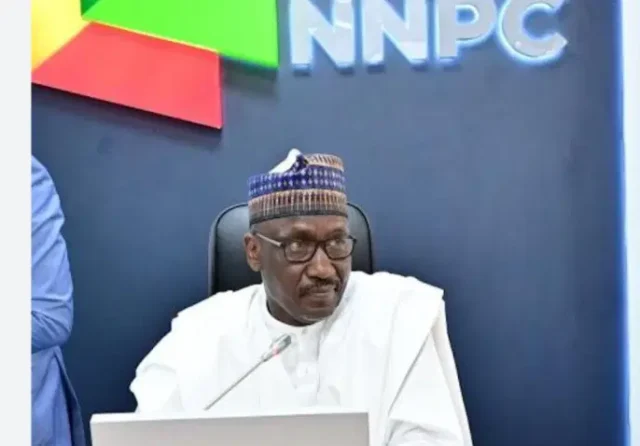
NNPCL Denies Allegations of Selling Adulterated Fuel In Jerrycans, Labels Viral Video ‘Fake’

The Nigerian National Petroleum Company Limited (NNPC Ltd.) has dismissed claims made in a viral video that the company sold adulterated Premium Motor Spirit (PMS) in bottles and jerrycans.

In a statement issued on Thursday, Olufemi Soneye, NNPC Ltd.’s Chief Corporate Communications Officer, clarified that the company conducted thorough checks at its retail outlets and found the allegations to be baseless.

The video in question shows an individual pouring a dark liquid, allegedly PMS, purchased from an NNPC Retail outlet near Keffi Flyover.

Soneye categorically stated that the product shown in the video did not come from any NNPC Retail station. He further emphasized that NNPC does not sell petroleum products in bottles or jerrycans.

“We want to make it clear that the product shown in the video was not, and could not have been, purchased from any NNPC Retail outlet. Our stations follow strict guidelines and do not dispense fuel in unauthorized containers,” Soneye explained.

The NNPC Ltd. spokesman reassured the public that the company adheres to high standards of quality control and product integrity.

“We are committed to offering only high-quality, safe, and reliable petroleum products at our stations nationwide,” he added.

Soneye also urged Nigerians to disregard the misleading video, which he said was part of a campaign to spread falsehoods for personal or malicious reasons.

He reiterated that NNPC Retail Ltd. takes the quality of its products seriously, with regular inspections and calibrations to ensure that fuel dispensed at all outlets meets required standards.

“NNPC Ltd. has a well-established system of regular pump integrity checks and product quality inspections to maintain consumer trust and satisfaction,” Soneye concluded.

Google search engine

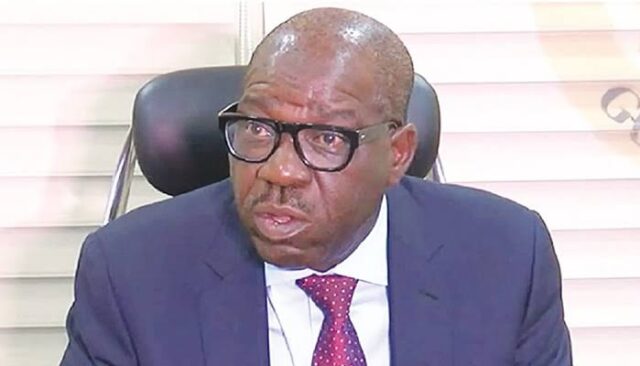
Obaseki Willingly Offers To Submit To EFCC If Called

The outgoing Governor of Edo State, Godwin Obaseki, has declared that he would voluntarily hand himself over to the Economic and Financial Crimes Commission (EFCC) if the anti-graft agency requires his presence in connection with his tenure in the state.

Speaking on Thursday in Abuja at the EdoBEST National Results-Sharing Session, an event that showcased the achievements of his administration, particularly in the education sector, Obaseki made it clear that he was not afraid of any investigation.

“I’m not afraid of the EFCC. Why should I be? What is important is focus. I came into office and ignored the noise, concentrating on what I felt was important, and today you can see the results,” Obaseki said.

“If the EFCC calls on me, I will hand myself over; I have nothing to hide.”

Obaseki’s comments come amidst political tensions in the state, where opposition parties have raised concerns about his administration’s handling of public funds.

Despite this, the governor emphasized that his achievements in Edo State, particularly in the education sector, were proof of his integrity.

“I have nothing to fear regarding any allegations. My administration has made remarkable progress, especially in education.” he said

Criticizing opposition parties, especially the All Progressives Congress (APC), Obaseki accused them of focusing on “unnecessary and silly petitions” rather than addressing the country’s pressing challenges.

He further called on the APC to shift its attention from political vendettas and focus on solving the problems faced by Nigerians.

“The suffering is too much. We, who are privileged, should focus on making a positive impact, not on side issues like vendetta,” he stated.

Obaseki also took aim at his political opponents in Edo State, calling them “bitter” and “full of vendetta,” accusing them of jealousy over his administration’s achievements.

Reflecting on his legacy, Obaseki expressed pride in the educational reforms his administration had implemented. He pointed out that under his leadership, over 400,000 children had been enrolled in schools, with an emphasis on data-driven educational policies that made tangible progress.

“You can come to Edo and see the data. We have enrolled over 400,000 children, and you can identify them because the data on every child is there.”

He also highlighted a significant achievement: the commissioning of a newly rebuilt technical college aimed at providing vocational training for young people in areas such as catering, mechanics, bricklaying, and construction, thereby helping them become self-reliant and useful to society.

Additionally, Obaseki expressed his opposition to a proposal from the Nigerian Academy of Letters, which suggested that unity schools be handed over to state governments.

He argued that unity schools, originally intended to be elite institutions for exceptional students, should be managed by both private and public entities capable of providing the resources required to meet global educational standards.

“The original intention of unity schools was to make them elite institutions for the best and brightest,” Obaseki remarked, referencing a speech made by Prof. Olubayi Olubayi, the keynote speaker at the event. “Unity schools should cater to exceptional students from across the country, equipping them to lead in policy-making and innovation.”

Emphasizing the importance of quality over ownership, Obaseki concluded, “What matters is not ownership but the output and quality of education produced by these institutions.”

Google search engine

MOST COMMENTED

- Advertisement -
Google search engine