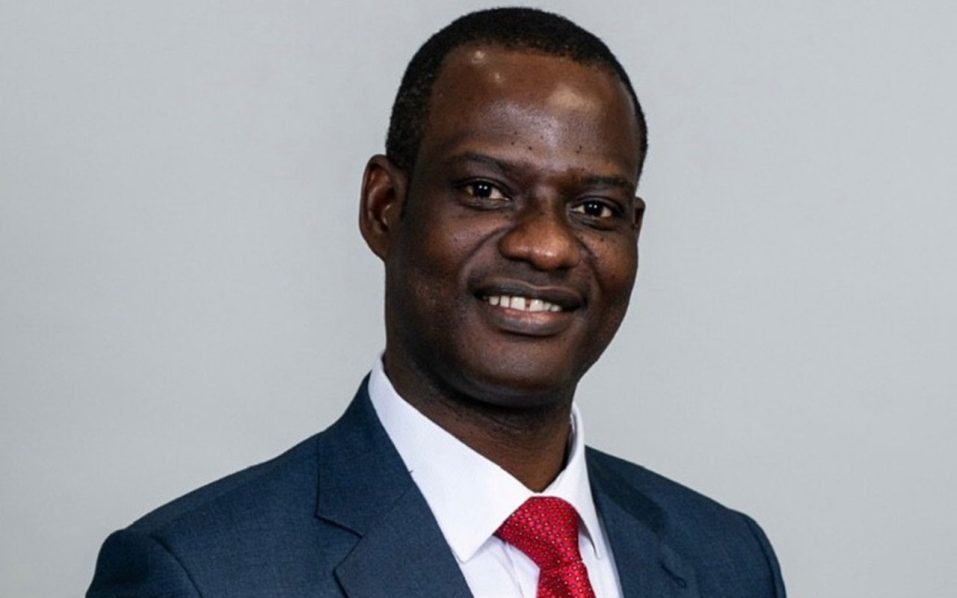

Mr Taiwo Oyedele, Chairman of the Presidential Fiscal Policy and Tax Reforms Committee, revealed on Monday that Nigeria now allocates less than 50% of its revenue to debt servicing.
Speaking at PwC’s Executive Summit on Tax Reform in Lagos, themed “The New Tax Era: What Nigeria’s Tax Reform Means to Individuals and Businesses”, Oyedele highlighted the dramatic shift:
“We’ve cleared unmet forex futures that were more than $7bn. And we move from under $4 bn external reserve to over $20 bn today. Budget deficit is declining, and we’re spending more on infrastructure.
“Tax to GDP ratio moved from under 10 per cent is now 13.5 per cent in two years. Instead of 97 per cent, service debt is now under 50 per cent in two years. We no longer print money to spend. Rather, we’ve paid down part of the ways and means that the previous administration printed.”
Oyedele warned that, without reforms, Nigeria risked economic collapse reminiscent of Zimbabwe or Venezuela:
“Nigeria today, without reforms, would have looked like that. …We’ll have easily over $10bn unmet forwards. Tax to GDP ratio will be less than 10 per cent. We’ll be spending over 100 per cent of our revenue to service debts.”
He illustrated the point with a Zimbabwean banknote valued at nearly nothing:
“This banknote … was barely enough to buy a loaf of bread. … This is what would have happened to Nigeria.”
Oyedele believes that earlier reforms had they begun a decade ago could have made Nigeria a $1 trillion economy, with petrol priced below ₦300/litre and a thriving middle class:
“If some of these reforms … had been done 10 years ago … Nigeria will be a $1 tn economy guaranteed.”
He also labelled petrol subsidies and government borrowing as unsustainable:
“We committed them to subsidise PMS. It still wasn’t enough. … If we had continued till this day, the subsidy regime would have collapsed.”
Only 3% of the informal sector currently pays taxes; Oyedele noted that 97% are now exempt to allow them to grow first:
“If you like to go and lie … we will find out, and there shall be consequences for those … underdeclare and engage in tax evasion.”
The new tax laws, to be gazetted in Lagos, include exemptions for employees earning under ₦800,000 annually and centralising federal tax collection under FIRS. These reforms take effect January 1, 2026.
Speaking at the same event, PwC’s Sam Abu emphasized stakeholder engagement:
“Policy alone won’t deliver. Real change requires partnership and commitment … to shape the kind of society and the kind of business community that we want.”