2027: Why I Chose NDC Over ADC – Senator Dickson
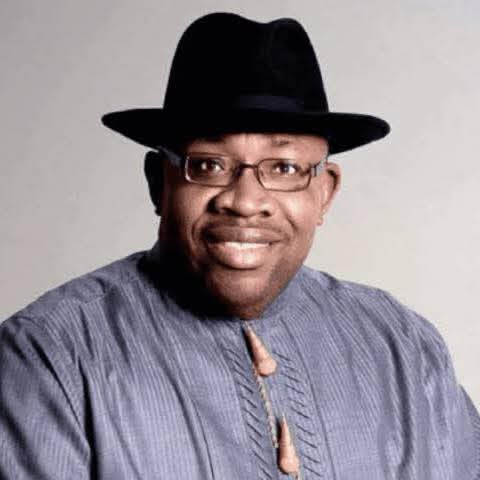
Former Bayelsa State Governor, Henry Seriake Dickson, has explained the reasons behind his decision not to join the African Democratic Congress (ADC), while also commenting on the defection of his predecessor to the All Progressives Congress (APC).
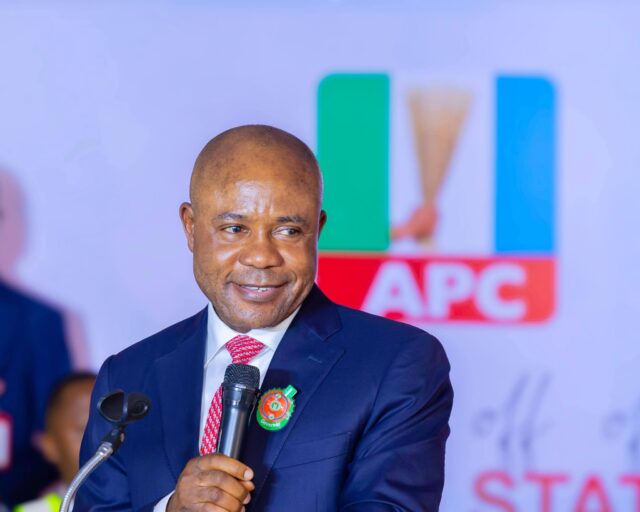
Dickson spoke with journalists during the unveiling of his newly formed political platform, the Nigeria Democratic Congress (NDC), where he outlined the principles guiding his political choices.
According to him, his political philosophy is rooted in national development, institutional reform, and a commitment to governance driven by clear ideas rather than party convenience.
Addressing questions about why he declined to join the ADC, Dickson said he holds the party’s leadership in high regard but believes that political affiliation must be guided by well-defined priorities.
“I have great respect for the leaders of the ADC. They have contributed to Nigeria’s multi-party democracy. However, joining a party is not about convenience or simply positioning oneself in opposition politics. It must be based on principles and a clear agenda for governance,” he said.
He stressed that any political platform he associates with must demonstrate a strong commitment to national security, education, healthcare, devolution of powers, youth and women empowerment, and the protection of citizens’ rights.
According to him, the ADC, despite its contributions to Nigeria’s democratic space, does not provide the level of clarity he seeks in those areas.
Dickson said the Nigeria Democratic Congress was established to promote a broader national vision focused on strengthening democratic institutions and ensuring inclusive governance.
“The NDC is pan-Nigerian. Our goal goes beyond winning elections. We want to build institutions that serve all Nigerians, respect the country’s diversity, and ensure leadership that is accountable and visionary,” he said.
He added that the party would provide a platform for capable Nigerians from all regions of the country who share a commitment to national development and inclusive leadership.
Speaking on the recent defection of his successor in Bayelsa politics to the APC, Dickson maintained a philosophical tone, noting that individuals are free to make their own political decisions.
“I guided and mentored him during his tenure, but everyone must follow their own path. How individuals exercise the authority and responsibility given to them is ultimately between them and God,” he said.
While noting that he would have preferred continuity in principle-driven governance, the former governor acknowledged that political realignments are common in Nigeria.
“Politics is dynamic. People make choices based on their convictions and circumstances, and my focus remains on stability, peace, and the building of enduring institutions,” he added.
Dickson also addressed concerns about internal party cohesion, explaining that the NDC has put structures in place to ensure transparency and prevent factional divisions.
“We have established mechanisms that promote inclusivity and transparency. Our objective is to build a party where credible leaders can emerge, where elections are fair, and where citizens truly believe that their votes count. This is not a short-term strategy but a long-term commitment,” he said.
Reaffirming his decision not to join the ADC, Dickson emphasised that his political history has always been driven by loyalty to ideas rather than political expediency.
“My history has always been about loyalty to ideas, not convenience. I cannot belong to a party whose vision is unclear or whose priorities do not align with the urgent needs of Nigeria,” he stated.
He explained that the NDC would prioritise federalism, accountability, and investment in human capital as central pillars of its governance agenda.
Reflecting on his leadership style, Dickson said tolerance, discipline, and inclusion remain key elements of his political philosophy.
“In Bayelsa, we showed that principled politics works. Whether mentoring successors, collaborating with colleagues, or building institutions, my focus has always been on strengthening systems rather than promoting personalities,” he said.
He concluded by expressing optimism about Nigeria’s political future, noting that the NDC aims to attract competent leaders from across the country and promote policies that respect diversity, equity, and democratic values.
According to him, the party’s mission is to reshape political engagement in Nigeria by strengthening institutions, promoting credible elections, and advancing policies that support long-term national development.