
CBN Governor,
The Socio-Economic Rights and Accountability Project (SERAP) has urged the Central Bank of Nigeria (CBN) to clarify whether it has begun direct allocation of funds to Nigeria’s 774 local government areas, in line with a recent Supreme Court ruling.
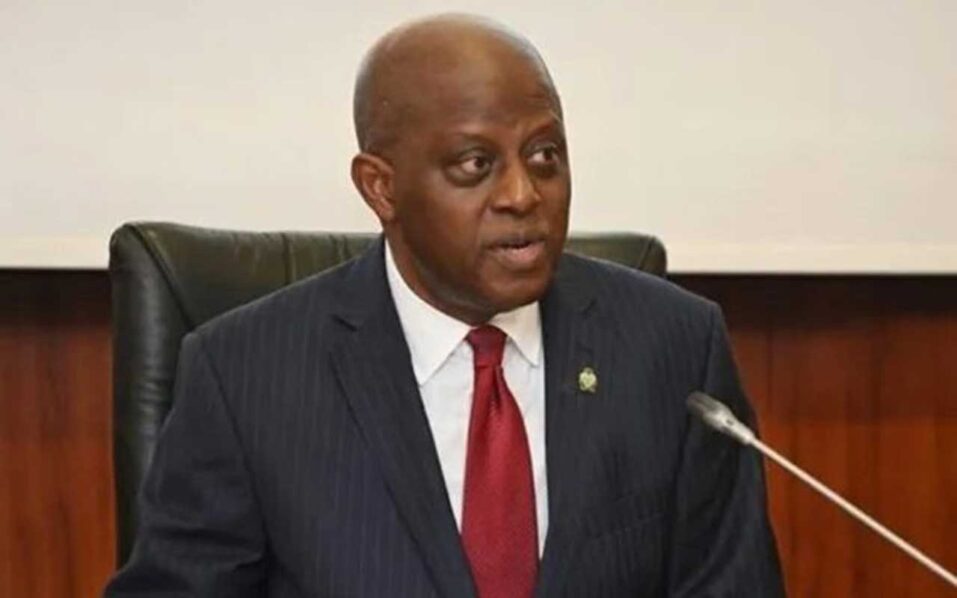
In a letter dated May 10, 2025, addressed to the CBN Governor, Mr. Olayemi Cardoso, and signed by SERAP’s Deputy Director, Kolawole Oluwadare, the organisation also demanded a public breakdown of the disbursed amounts, if any, particularly regarding LGAs in Rivers State.
“We are writing to request you to use your good offices and leadership position to immediately disclose whether the CBN has commenced the direct disbursement of allocations to the 774 local government councils in Nigeria from the Federation Accounts with the CBN, and to widely publish the amounts, if any, so far sent to each of the local governments,” the letter stated.
This request follows a landmark Supreme Court decision which invalidated the longstanding practice where governors and the FCT Minister control local government finances, declaring such actions unconstitutional.
Quoting from the judgment, SERAP pointed out: “Local government councils are entitled to a direct payment from the Federation Account of the amount standing to their credit in the said Federation Account.”
“States should not be collecting, receiving, spending or tampering with the local government council funds from the Federation Account meant for the benefit of the councils.”
The group expressed concern that despite the ruling, several governors continue to deny LGAs direct access to their allocations, thereby weakening their independence and functionality as a vital tier of government.
Warning of legal action if the CBN fails to respond within seven days, the organisation said “If we have not heard from you by then, the Incorporated Trustees of SERAP shall take all appropriate legal actions to compel you and the CBN to comply with our request in the public interest.”
SERAP cited a December 2022 statement by former President Muhammadu Buhari, where he alleged that governors often manipulated disbursements to local governments
“If the money from the Federation Account to the state is about N100 million, N50 million will be sent to the chairman, but he will sign that he received N100 million. The chairman will pocket the balance and share it with whoever he wants to share it with.”
According to SERAP, the CBN has both a legal and constitutional responsibility to ensure equitable distribution of national funds among the three tiers of government.
“The CBN ought to act in the public interest to protect the allocations in the Federation Account and the public funds disbursed from that Account directly to each of the constitutionally recognised three tiers of government,” the group said.
SERAP also referenced the March 2025 revenue shared by the Federation Account Allocation Committee, which amounted to N1.578 trillion, and questioned whether the LGAs received their full share directly as mandated.
“Ensuring that all restrictions against direct disbursement of allocations from the Federation Account to the 774 councils are lifted will comply with the orders by the Supreme Court and stop states and the FCT from tampering with the allocations ahead of the 2027 general elections,” it warned.
The group reinforced the citizens’ right to know how public funds are managed, citing the Nigerian Constitution, the Freedom of Information Act, and international human rights instruments such as the African Charter and the International Covenant on Civil and Political Rights.
“The public interest in publishing the information sought outweighs any considerations to withhold the information.”
“Nigerians are entitled to the right to receive information without any interference or distortion, and the enjoyment of this right should be based on the principle of maximum disclosure,” SERAP said.
The letter also reminded the CBN that “the Freedom of Information Act is applicable and applies to public records in the Federation, including those kept by the CBN.”